Chili pneumatic conveying systems are advanced industrial equipment designed to efficiently transport chili powder and other similar bulk materials. The core principle of these systems lies in the use of air as the conveying medium, where material particles are suspended and propelled through a pipeline by a high-pressure air stream. This method offers significant advantages over traditional mechanical conveyors, such as reduced material degradation, lower maintenance costs, and enhanced safety in handling potentially hazardous powders.
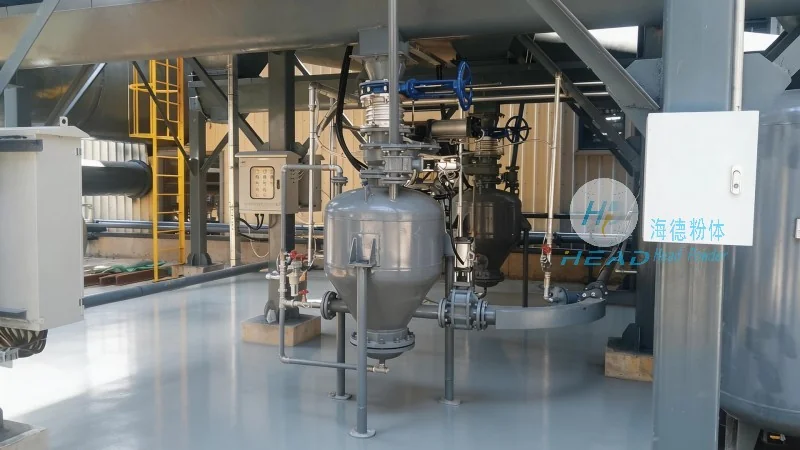
Key Working Principles of Chili Pneumatic Conveying Systems
The operation of a typical chili pneumatic conveying system involves several critical components and processes. There are two main types of systems: vacuum (or suction) conveying and pressure (or positive) conveying. Vacuum systems use a fan to create a negative pressure that draws material from the source into the pipeline, while pressure systems use a blower to force air and material through the line. For chili powder, which is often fine and lightweight, vacuum systems are commonly preferred as they can handle materials with lower flowability and are less likely to cause blockages. The system typically includes a hopper or feeder to store the material, a rotary valve or feeder to control the flow rate, a blower or vacuum pump to generate the air flow, and a filter system to capture any fine particles and prevent them from entering the air system. The design of the system is tailored to the specific characteristics of chili powder, such as its particle size distribution, moisture content, and bulk density, ensuring optimal performance and minimal product loss. The air velocity in the pipeline is carefully controlled to prevent material deposition or clogging, while maintaining sufficient force to move the particles efficiently.
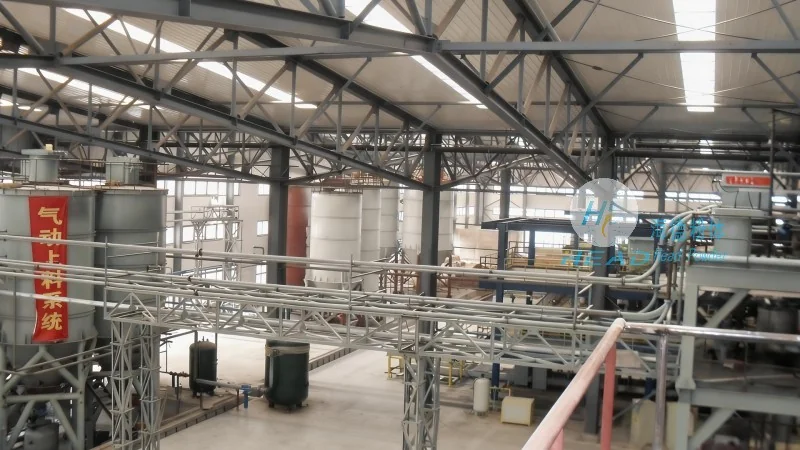
Working Scene Characteristics and Applications
Chili pneumatic conveying systems are widely used in various industrial settings, particularly in the food processing and agricultural sectors. In the context of chili processing, these systems are employed in stages such as drying, grinding, and packaging. For example, after the chili is dried and ground into powder, the pneumatic system can efficiently transport the powder from the grinding machine to the packaging line, ensuring a continuous and clean process. The working scene characteristics of these systems include high efficiency in material handling, with the ability to transport large volumes of chili powder over long distances with minimal labor. They are also highly adaptable to different production scales, from small-scale artisanal operations to large-scale commercial processing plants. The systems are designed to maintain the quality of the chili powder, preventing issues like caking, agglomeration, or contamination that can occur with traditional conveyors. Additionally, the enclosed nature of pneumatic conveying reduces dust exposure, contributing to a safer working environment for operators. In some cases, the system may be integrated with other processing equipment, such as mixers or classifiers, to form a complete production line. This integration enhances overall productivity and reduces the need for manual handling of the material.
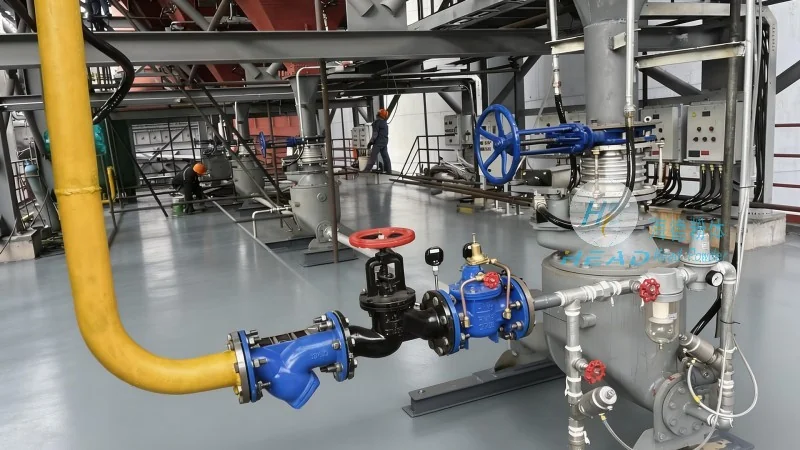
Advantages and Performance Metrics
One of the primary advantages of chili pneumatic conveying systems is their ability to handle delicate materials without causing damage. The air-based transport minimizes mechanical stress on the particles, preserving the color, flavor, and nutritional value of the chili powder. This is particularly important in the food industry, where product quality is paramount. Performance metrics for these systems include conveying capacity, which can range from a few kilograms per hour to several tons per hour, depending on the system size and design. The efficiency of the system is also measured by its pressure drop across the pipeline, which indicates the energy required to move the material. Modern systems incorporate advanced control technologies, such as variable frequency drives and real-time monitoring, to optimize energy consumption and maintain consistent material flow. For instance, a well-designed pressure conveying system for chili powder can achieve a conveying capacity of up to 10 tons per hour with a pressure drop of around 0.5 bar, while consuming minimal energy. The system's reliability is further enhanced by the use of high-quality materials, such as stainless steel, which are resistant to corrosion and wear, ensuring a long service life.
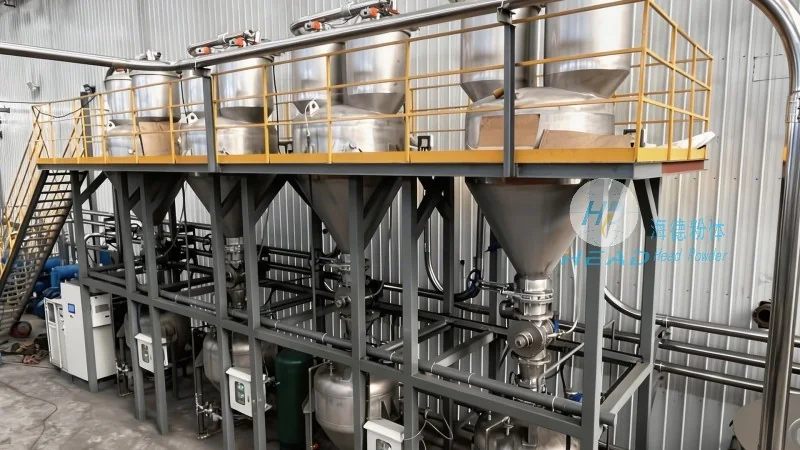
About Shandong HeadPowder Engineering Co., Ltd.
Shandong HeadPowder Engineering Co., Ltd., commonly known as HeadPowder, is a leading manufacturer and supplier of pneumatic conveying systems and related industrial equipment. With its headquarters in Shandong, China, the company specializes in designing and manufacturing customized solutions for the food processing, pharmaceutical, and chemical industries. HeadPowder's expertise lies in developing systems that meet the specific requirements of clients, ensuring reliability, efficiency, and compliance with industry standards. The company's product line includes a wide range of pneumatic conveying systems, from small-scale vacuum units to large-scale pressure systems, as well as accessories such as filters, silencers, and control panels. HeadPowder's team of engineers and technicians works closely with clients to understand their unique needs and provide tailored solutions. The company adheres to international quality standards, such as ISO 9001, and its products are designed to be user-friendly and easy to maintain. Through continuous innovation and customer-focused service, HeadPowder has established itself as a trusted partner in the industrial equipment sector. The company's commitment to quality and customer satisfaction has led to a growing client base, with operations extending to various regions both domestically and internationally.




