Quicklime, also known as calcium oxide, is a widely used industrial material in sectors such as construction, chemical manufacturing, and environmental treatment. Efficient and safe transportation of quicklime from production sites to processing facilities is vital for operational efficiency and product quality. Pneumatic conveying systems are preferred for handling quicklime due to their ability to transport bulk materials in a dust-free environment, reducing health hazards and operational costs.
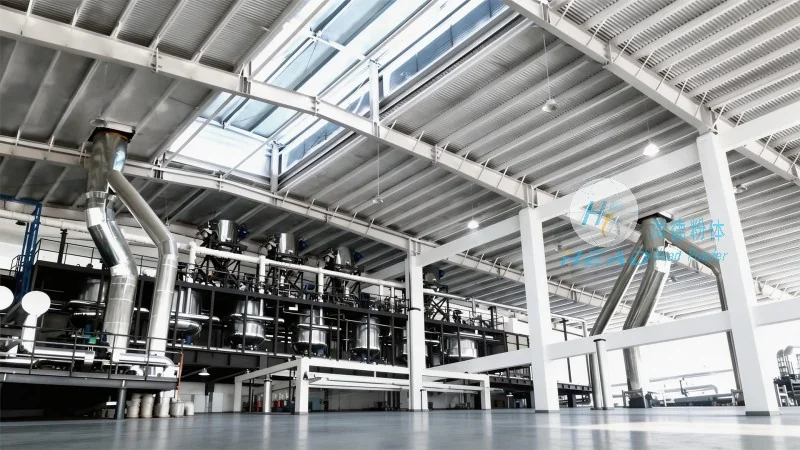
Overview of Quicklime Pneumatic Conveying Equipment
Quicklime pneumatic conveying equipment is a specialized system designed to transport quicklime powder or granules via an air stream. The system typically includes key components like a material feeder, conveying pipeline, dust collector, and control system. The material feeder feeds quicklime into the pipeline at a controlled rate, while the pipeline transports the material to the destination. The dust collector captures fine particles, maintaining a clean and safe environment.
Working Principle of Pneumatic Conveying Systems
The core principle involves using compressed air to propel material through the pipeline. Two main types exist: pressure and vacuum. Pressure systems use compressed air at the inlet to push material forward, while vacuum systems use a vacuum pump at the outlet to draw material in. For quicklime, pressure systems are often preferred as they minimize dust inhalation risks and offer better flow control.
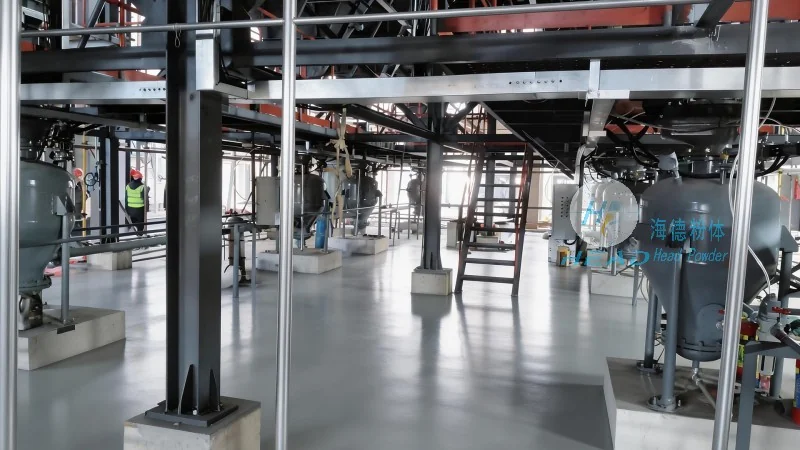
Key Components and Their Functions
Several critical components ensure efficient operation. The material feeder (e.g., rotary valve or screw feeder) regulates flow rate to prevent overloading. The conveying pipeline, usually made of stainless steel or corrosion-resistant materials, handles quicklime's chemical properties. Pipeline design minimizes pressure drop and maintains material velocity. The dust collector, with filters and a fan, captures escaped particles for compliance and safety. The control system, integrated with sensors and automation, monitors performance, adjusts parameters, and alerts operators to issues, enhancing reliability.
Working Scene Characteristics and Applications
The working scene characteristics are tailored to industrial demands. In construction, quicklime is used for cement or soil stabilization, requiring large-volume, long-distance transport with minimal downtime. In chemical manufacturing, it's used in flue gas desulfurization or calcium-based chemicals, needing handling of corrosive/reactive materials and sterile environments. In environmental treatment, it neutralizes acidic waste or treats wastewater, requiring wet/humid material handling and delivery without degradation. The system must integrate with existing infrastructure and be easy to adapt to production lines.
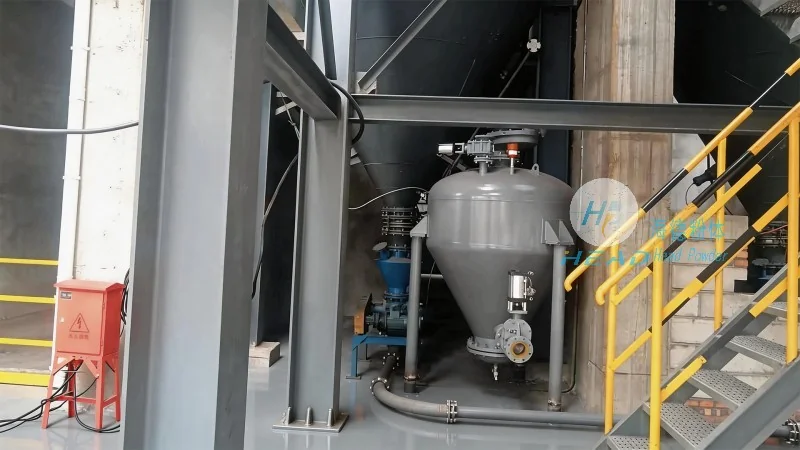
Advantages of Quicklime Pneumatic Conveying Equipment
The system offers several advantages over traditional methods. It transports material in a dust-free environment, reducing respiratory diseases and improving workplace safety. It minimizes material loss and contamination, ensuring high-quality quicklime delivery. Flexibility allows handling different materials and flow rates, with scalability for production volume changes. Low maintenance (fewer moving parts) reduces operational costs and downtime compared to traditional conveyors.
Conclusion
Quicklime pneumatic conveying equipment is a critical component for efficient and safe quicklime handling in various industrial applications. Its ability to transport material in a dust-free environment, combined with flexibility and low maintenance, makes it ideal for modern operations. As quicklime demand grows, reliable conveying systems become increasingly important. Companies like Shandong HeadPowder Engineering Co., Ltd. provide high-quality equipment tailored to client needs, ensuring safe and efficient quicklime handling across diverse working scenes.




