Pepper powder, a globally recognized spice with diverse culinary applications, requires specialized handling to preserve its quality and integrity. The pneumatic conveying equipment designed for pepper powder processing is a critical solution in ensuring efficient and safe transportation of this fine powder from storage to processing lines. This article explores the fundamental principles behind such equipment and examines the distinct characteristics of its application across various working scenes, with a focus on the expertise of Shandong HeadPowder Engineering Co., Ltd., a leading manufacturer in the field.
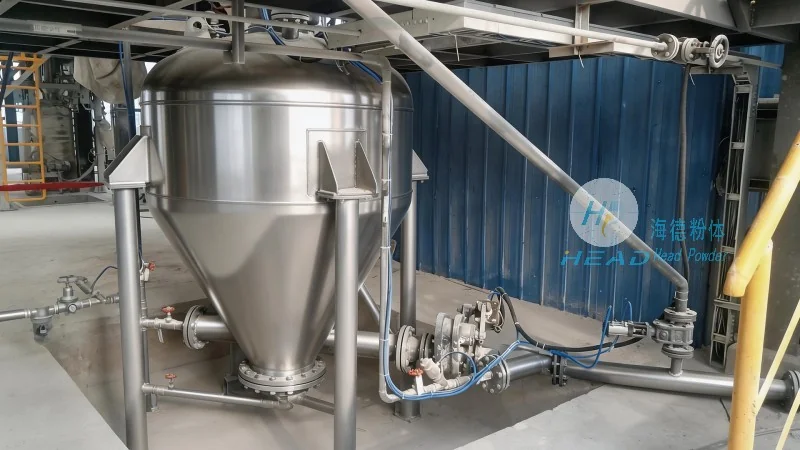
Overview of Pepper Powder Pneumatic Conveying Equipment
At the heart of pepper powder handling is the pneumatic conveying system, which leverages air as the medium to transport bulk materials. The system comprises essential components, including a storage hopper, a conveyor line, a control unit, and a dust collection system. The primary objective is to move pepper powder with minimal loss, contamination, or degradation, while maintaining its fine particle characteristics and hygroscopic properties. The equipment is engineered to address the unique challenges posed by pepper powder, such as static charge accumulation and potential clogging in pipelines.
Working Principle of Pneumatic Conveying
The operation of pneumatic conveying for pepper powder revolves around creating a pressure differential between the inlet and outlet of the system. In positive pressure systems, compressed air is introduced into the hopper, drawing the powder into the conveyor line and propelling it to the destination. Negative pressure systems, on the other hand, use suction to draw the powder from the source into the conveying line. The choice between these systems depends on factors like the distance to be covered, material volume, and the need to minimize dust emissions. Both systems are designed to maintain consistent air flow and pressure, ensuring smooth and reliable material transport.
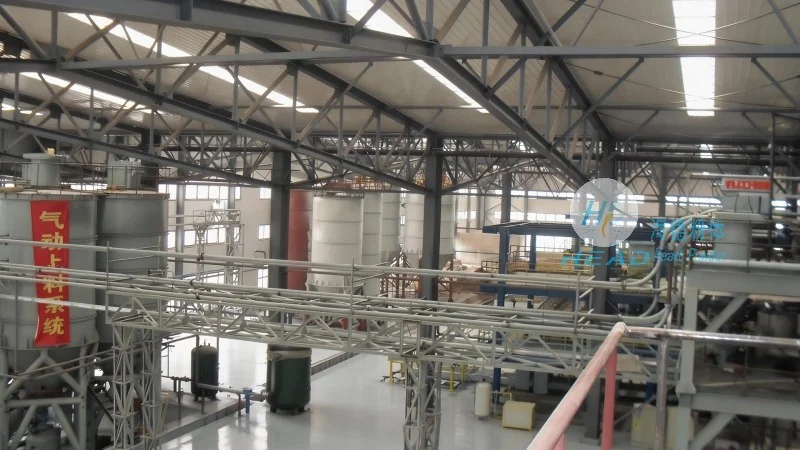
Key Components and Their Functions
Several critical components work in concert to ensure the efficient operation of pepper powder pneumatic conveying equipment. The storage hopper, often equipped with a feeding mechanism, controls the flow of powder into the conveyor. The conveyor line, typically made of stainless steel or other corrosion-resistant materials, is designed to withstand the abrasive nature of pepper powder particles. The control unit monitors and regulates air pressure, flow rate, and material levels, optimizing system performance. The dust collection system, including filters and cyclones, maintains air quality and prevents dust accumulation. Each component is meticulously selected to address the specific challenges of pepper powder, such as its tendency to generate static or clog equipment.
Working Scene Characteristics: Large-Scale Food Processing
In large-scale food processing plants, pepper powder pneumatic conveying equipment is integral to the production workflow. The key characteristics in this scene include high hygiene standards, as the equipment must comply with stringent food safety regulations. The system is often enclosed and designed with easy-to-clean surfaces to prevent contamination. It integrates seamlessly with other processing equipment, such as mixing or grinding machines, ensuring a continuous supply of pepper powder to production lines. The equipment handles large volumes of material, requiring high-capacity systems to maintain operational efficiency.
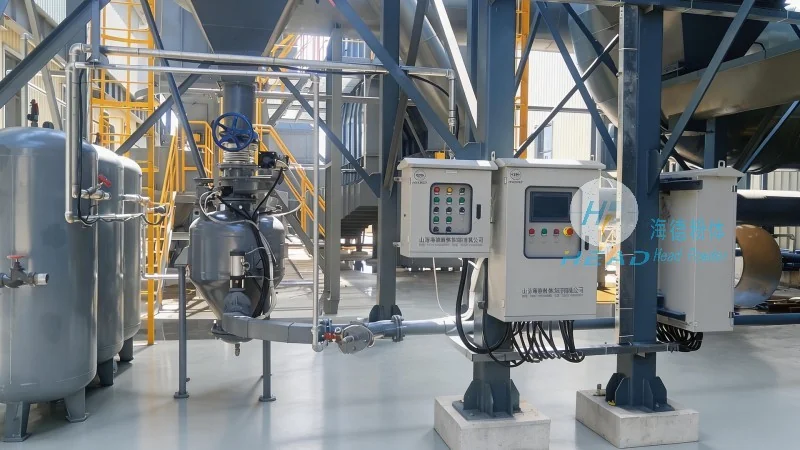
Working Scene Characteristics: Small-Scale Specialty Spice Production
For small-scale specialty spice producers, the pneumatic conveying equipment is adapted for flexibility and compactness. The system is modular, allowing easy installation and integration into existing production setups. The control unit is simpler, focusing on basic monitoring functions to ensure proper operation. The dust collection system is smaller, suitable for lower material volumes. Despite the smaller scale, the equipment maintains the same principles of efficient material transport, preserving the quality of pepper powder for specialty applications.
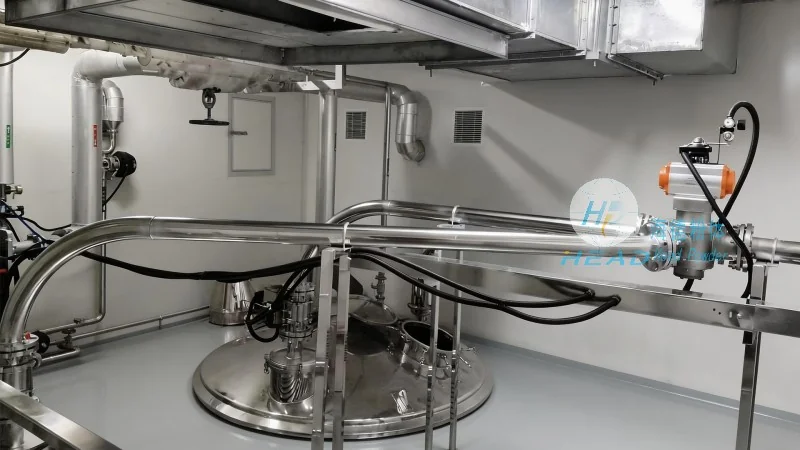
Working Scene Characteristics: Logistics and Distribution
In logistics and distribution centers, the equipment is used to move pepper powder from storage to packaging or shipping areas. The key characteristics include speed and efficiency, as the system can transport large volumes quickly. It integrates with automated packaging lines, ensuring smooth transfer from conveyor to packaging machine. The equipment handles different pepper powder grades, requiring adjustable conveying parameters to maintain product quality.
Advantages of Pepper Powder Pneumatic Conveying Equipment
Implementing pneumatic conveying systems for pepper powder processing offers significant advantages over traditional methods. These include reduced material loss and contamination, as the system is enclosed and controlled. Labor costs are minimized due to automation. The equipment can be integrated with other processing lines, enhancing overall efficiency. Workplace safety is improved by eliminating manual handling of heavy or dusty materials. These benefits make pneumatic conveying a preferred choice for maintaining the quality and consistency of pepper powder in various industrial settings.




