HeadPowder, a leading manufacturer based in Shandong, China, specializes in the design and production of advanced pneumatic conveying systems tailored for synthetic rubber applications. This equipment is engineered to efficiently transport synthetic rubber materials through an air-driven process, offering a reliable solution for various industrial scenarios. The following sections will delve into the fundamental principles of operation and the distinct characteristics of working environments where such equipment excels.
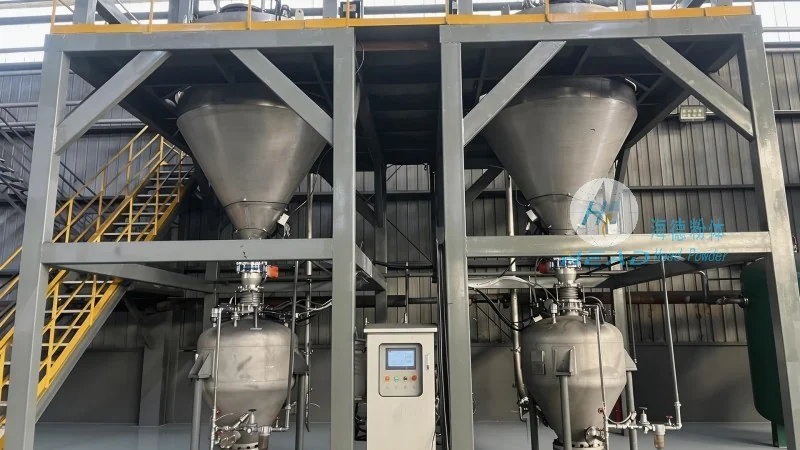
The Core Principle of Pneumatic Conveying for Synthetic Rubber
The pneumatic conveying system for synthetic rubber operates on the principle of using compressed air to move bulk materials through a pipeline. Unlike traditional mechanical conveyors, this method eliminates the need for moving parts in direct contact with the material, which is particularly advantageous for handling synthetic rubber due to its potential for static electricity and the risk of material degradation from friction. The system typically consists of a hopper for material storage, a blower or compressor to generate the air flow, and a pipeline network that transports the rubber particles. The air velocity within the pipeline is carefully controlled to ensure that the rubber particles are carried along without settling or causing blockages. This air-driven mechanism allows for a clean, dust-free transfer of synthetic rubber, which is crucial for maintaining material purity and preventing contamination in downstream processes.
Key Working Scene Characteristics
The effectiveness of pneumatic conveying equipment for synthetic rubber is highly dependent on the specific working environment and application requirements. Several key characteristics define the optimal scenarios for implementing such systems:
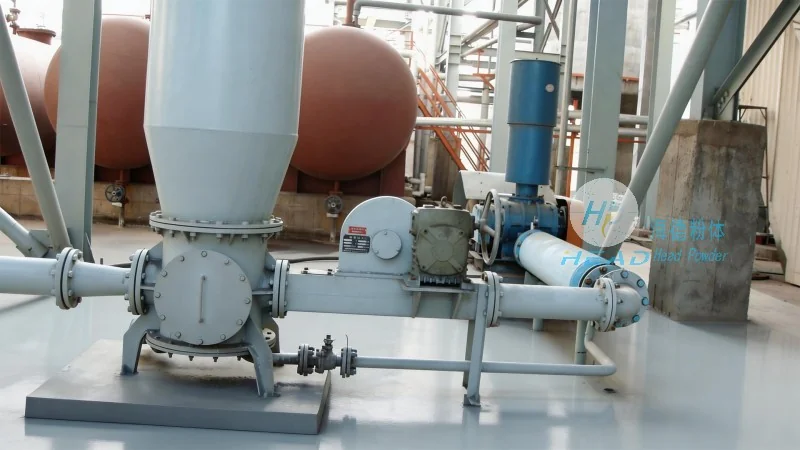
1. Material Handling in Manufacturing Plants: In synthetic rubber production facilities, these systems are commonly used to transport raw rubber pellets or granules from storage silos to processing lines. The ability to convey materials over long distances without the need for intermediate storage or manual handling reduces operational costs and improves production efficiency. The equipment can handle varying material flow rates, from low to high throughput, making it adaptable to different production scales.
2. Quality Control and Purity Maintenance: Synthetic rubber is often used in applications where material purity is critical, such as in the production of tires, seals, and other automotive components. Pneumatic conveying systems provide a closed-loop transport process, minimizing exposure to external contaminants and preventing dust accumulation. This is particularly important when handling rubber with additives or colorants, as any contamination could affect the final product's performance and appearance.
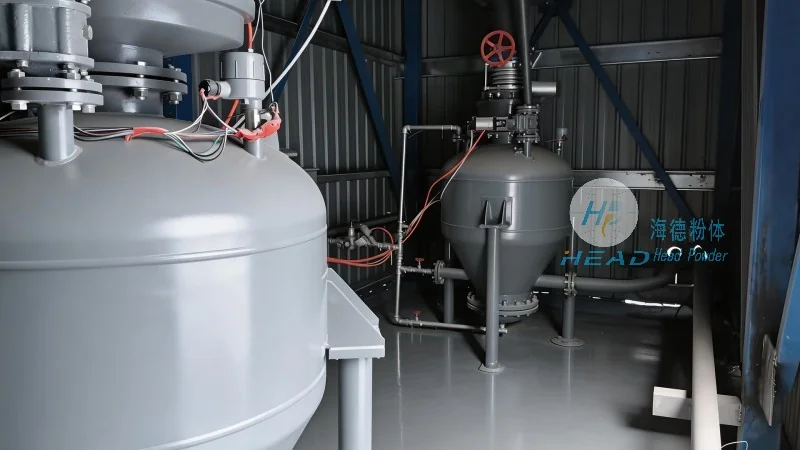
3. Space-Constrained Industrial Settings: In facilities with limited floor space or where vertical space is available, pneumatic conveying systems offer a compact solution compared to traditional belt or screw conveyors. The pipeline layout can be customized to fit within the available area, allowing for efficient material movement without requiring extensive horizontal or vertical infrastructure. This makes them ideal for retrofitting existing plants or in new construction projects where space optimization is a priority.
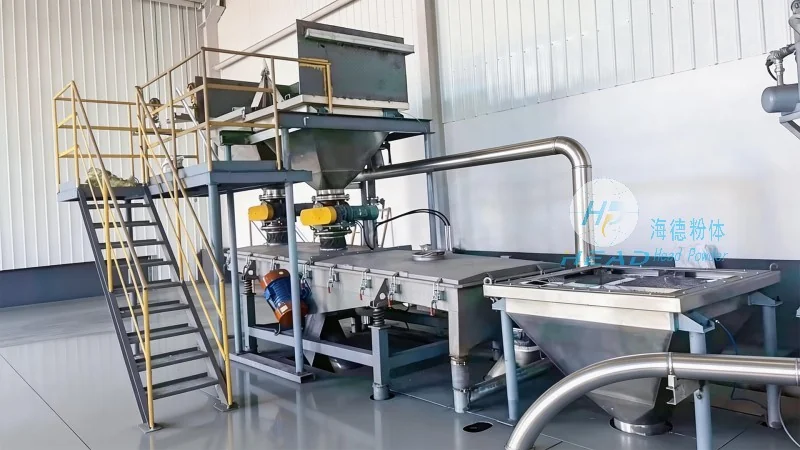
4. Safety and Environmental Considerations: Handling synthetic rubber can involve safety risks, including the potential for dust explosions or the generation of static electricity. Pneumatic conveying systems address these concerns by maintaining a closed system, which reduces the risk of dust dispersion and prevents ignition sources. Additionally, the air-driven process eliminates the need for heavy machinery with moving parts, reducing the likelihood of mechanical failures and associated safety hazards. From an environmental perspective, these systems can be designed to minimize energy consumption and noise levels, contributing to a more sustainable industrial operation.
Conclusion and Application Scope
HeadPowder's pneumatic conveying equipment for synthetic rubber represents a sophisticated solution for modern industrial needs. By leveraging the principles of air-driven transport, these systems offer enhanced efficiency, improved material quality, and increased safety in various working environments. Whether used in large-scale manufacturing plants or smaller processing facilities, the adaptability and reliability of pneumatic conveying make it a preferred choice for transporting synthetic rubber materials. With a focus on tailored engineering and adherence to industry standards, HeadPowder ensures that their equipment meets the specific requirements of each application, providing long-term performance and value to their clients.




