White carbon black, also known as fumed silica, is a critical industrial material widely utilized in sectors such as rubber, plastics, coatings, and pharmaceuticals. The efficient and safe transportation of white carbon black is vital for maintaining production efficiency and product quality. Pneumatic conveying equipment has emerged as a preferred solution for handling this fine powder due to its advantages in dust control, energy efficiency, and operational flexibility. This article explores the working principle of white carbon black pneumatic conveying equipment and examines the key characteristics of its application scenarios.
Introduction to White Carbon Black and Pneumatic Conveying
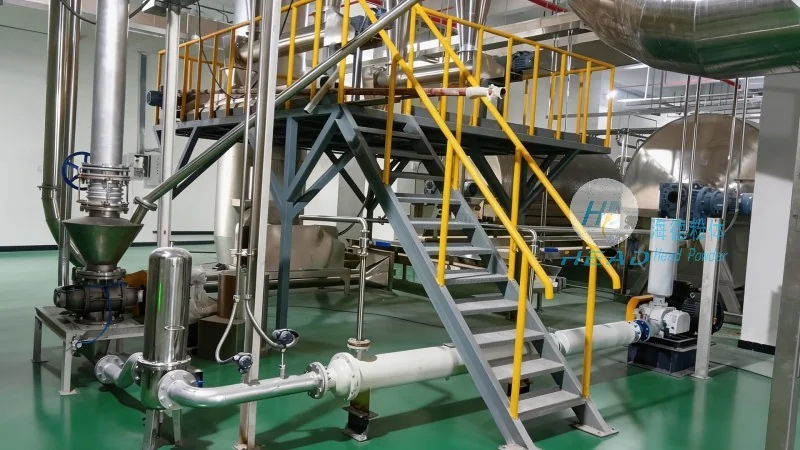
White carbon black is a high-purity, ultrafine powder with a high specific surface area, serving as an effective reinforcing agent and processing aid in various industrial applications. Traditional handling methods like manual conveying or mechanical systems often encounter challenges including dust pollution, material loss, and operational inefficiencies. Pneumatic conveying, which employs compressed air to transport powders through a pipeline system, offers a more advanced approach to address these issues. The equipment typically comprises a feeding system, a conveying pipeline, a separation system, and a control unit, all working in concert to ensure smooth material transport.
Working Principle of White Carbon Black Pneumatic Conveying Equipment
The fundamental principle of pneumatic conveying for white carbon black is to generate a flow of air capable of lifting and transporting fine powder particles through the pipeline. There are two primary types of pneumatic conveying systems: dilute-phase and dense-phase. Dilute-phase systems operate at higher air velocities, typically 20-30 m/s, and are suitable for long-distance or high-volume transport. Dense-phase systems, conversely, utilize lower air velocities (5-15 m/s) and higher pressure to move material in a more controlled manner, reducing the risk of particle degradation. The equipment initiates with the feeding of white carbon black into the system, where it is mixed with compressed air. The air flow then carries the powder particles through the pipeline, and the separation system at the end of the line separates the air from the material, allowing the white carbon black to be discharged into the target container. The control unit monitors pressure, flow rate, and other parameters to ensure stable operation and prevent system failures.
Key Working Scene Characteristics
The application scenarios of white carbon black pneumatic conveying equipment vary based on the specific requirements of production processes. Some of the key characteristics include:
1. Dust-Free and Clean Environment
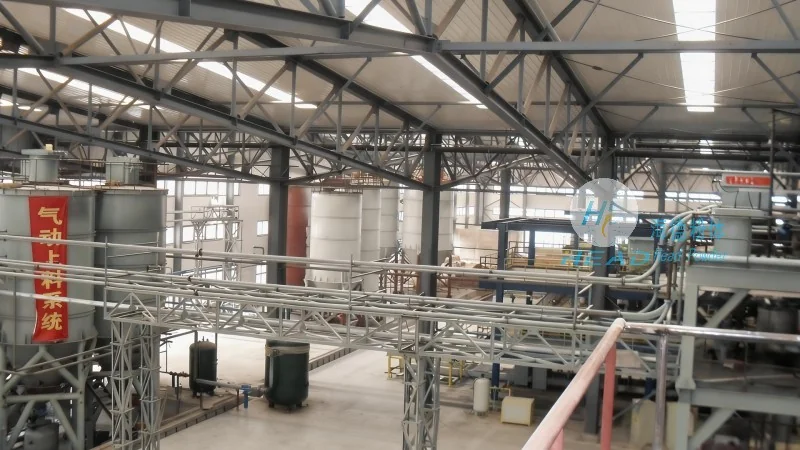
One of the most significant advantages of pneumatic conveying is its ability to maintain a dust-free environment. Unlike mechanical systems that generate dust during material transfer, pneumatic conveying uses enclosed pipelines, containing the powder and air within the system. This not only protects the working environment from contamination but also enhances worker safety by reducing exposure to fine particles. The enclosed system also helps in maintaining product purity, which is critical for industries where white carbon black is used as a quality additive.
2. Energy Efficiency and Low Maintenance
Pneumatic conveying systems are generally more energy-efficient compared to traditional mechanical conveying methods. The use of compressed air as the transport medium reduces the need for heavy machinery and moving parts, leading to lower energy consumption and operational costs. Additionally, the system has fewer moving parts, resulting in lower maintenance requirements and longer service life. This makes it a cost-effective solution for long-term material handling in industrial settings.
3. Flexibility and Scalability
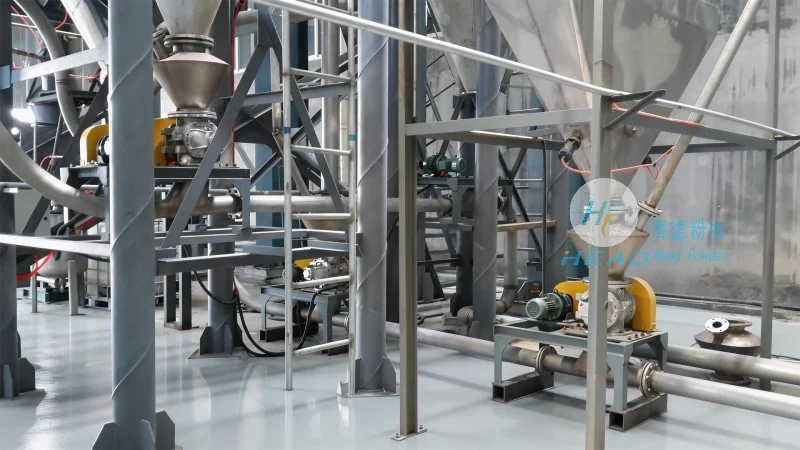
The design of white carbon black pneumatic conveying equipment allows for flexibility in system configuration. It can be easily adapted to different production scales, from small-scale laboratory applications to large-scale industrial plants. The system can be expanded or modified to accommodate changes in production volume or material types without significant reconfiguration. This scalability is particularly beneficial for companies that are growing or planning to diversify their product lines. Moreover, the equipment can be integrated with other production processes, such as mixing or packaging, to create a seamless workflow.
4. Material Protection and Preservation
White carbon black is a sensitive material that can be easily degraded by mechanical stress or exposure to air. Pneumatic conveying minimizes these risks by using a gentle transport method. The low air velocities in dense-phase systems prevent particle attrition, while the enclosed environment protects the material from moisture and other contaminants. This is crucial for maintaining the physical and chemical properties of white carbon black, ensuring it retains its reinforcing and processing characteristics. The system also allows for the transport of moisture-sensitive materials without the risk of degradation, making it suitable for a wide range of applications.
Conclusion
In conclusion, white carbon black pneumatic conveying equipment is a highly effective and efficient solution for handling fine powders in industrial applications. Its working principle, based on the use of compressed air to transport material through enclosed pipelines, offers numerous advantages over traditional mechanical systems. The key characteristics of its application scenarios, including dust-free operation, energy efficiency, flexibility, and material protection, make it an ideal choice for various industries. As the demand for high-purity white carbon black continues to grow, the adoption of advanced pneumatic conveying systems will play a vital role in ensuring smooth and safe material handling processes. For companies looking to enhance their production efficiency and product quality, investing in such equipment is a strategic move that aligns with modern industrial standards.




