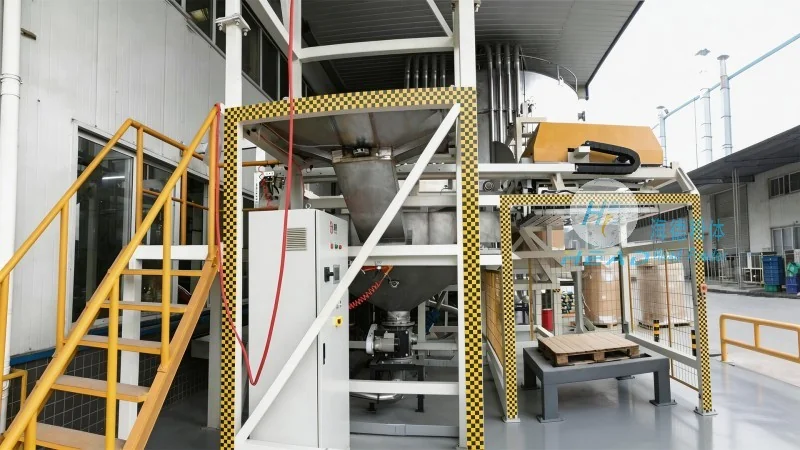
HeadPowder, a leading manufacturer in the field of material handling solutions, specializes in the design and production of advanced pneumatic conveying systems tailored for the efficient transport of fine powders such as silica. This article delves into the fundamental principles underlying silica powder pneumatic conveying equipment and explores the key characteristics of its operational scenarios, providing insights into how these systems enhance productivity and operational efficiency in various industrial applications.
Introduction to Silica Powder Pneumatic Conveying
Pneumatic conveying, also known as air conveying, is a method of transporting bulk materials through a pipeline using a stream of pressurized or vacuum air. For silica powder, which is a common industrial material used in applications ranging from construction to pharmaceuticals, the selection of an appropriate pneumatic conveying system is critical to ensure consistent performance, minimize material degradation, and maintain system reliability. Silica powder, with its fine particle size and specific physical properties, presents unique challenges in terms of flowability and dust control, making the design of the conveying equipment a complex engineering task.
Core Principles of Pneumatic Conveying Systems
The operation of silica powder pneumatic conveying equipment is based on the fundamental principle of using air to move material through a pipeline. There are two primary types of pneumatic conveying systems: pressure conveying and vacuum conveying. Pressure conveying systems utilize a positive pressure air stream to push the material forward, while vacuum conveying systems employ a negative pressure air stream to draw the material into the pipeline. For silica powder, which is often sensitive to moisture and agglomeration, the choice of system type and the design of the conveying line are crucial factors that influence the overall efficiency and effectiveness of the process.
Key Components and Their Functions
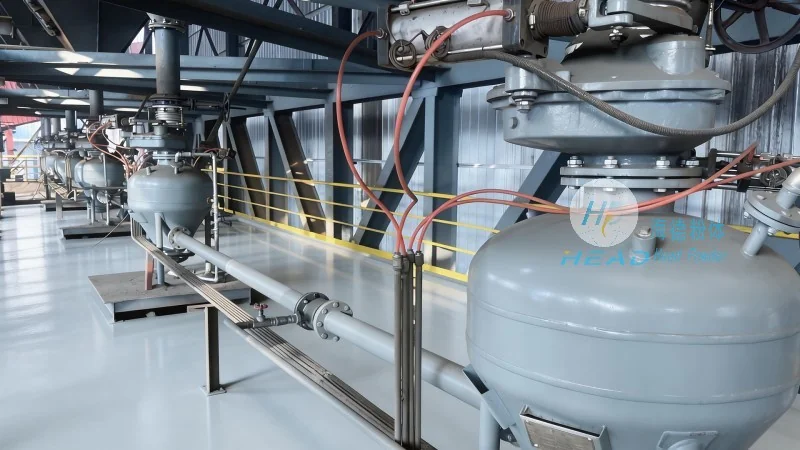
A typical silica powder pneumatic conveying system consists of several key components, each playing a vital role in the overall operation. The primary components include the material feed hopper, the air supply system (either a blower or a compressor), the conveying line, the control valves, and the discharge unit. The material feed hopper is responsible for storing and feeding the silica powder into the system, ensuring a consistent flow rate. The air supply system generates the necessary pressure or vacuum to move the material through the pipeline. The conveying line, usually made of stainless steel or other corrosion-resistant materials, is designed to withstand the abrasive nature of silica powder and maintain airtight integrity. Control valves regulate the flow of air and material, allowing for precise control over the conveying process. The discharge unit collects the material at the end of the pipeline and discharges it into the receiving container.
Working Scene Characteristics of Silica Powder Pneumatic Conveying
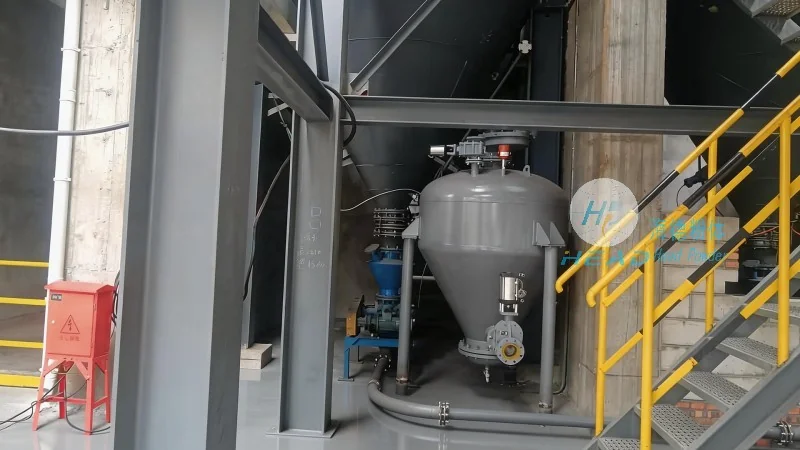
The working scene characteristics of silica powder pneumatic conveying equipment are defined by the specific operational conditions and industrial applications where they are deployed. These characteristics include factors such as the particle size distribution of the silica powder, the flow rate requirements, the distance to be conveyed, and the environmental conditions of the plant. For example, in a pharmaceutical manufacturing facility, the conveying system must meet stringent hygiene standards and ensure that the silica powder is handled in a dust-free environment. In contrast, in a construction material processing plant, the system may need to handle larger volumes of silica powder over longer distances, requiring more robust and high-capacity equipment.
Advantages and Applications
Silica powder pneumatic conveying equipment offers several advantages over traditional bulk material handling methods, such as bucket elevators or belt conveyors. These advantages include the ability to transport materials in a closed system, reducing dust emissions and improving workplace safety. The system also allows for the integration of material processing steps, such as mixing or drying, directly into the conveying line. In addition, pneumatic conveying systems are highly flexible and can be easily adapted to changing production requirements, making them suitable for a wide range of applications. The primary applications of silica powder pneumatic conveying equipment include the transport of silica powder in the glass manufacturing industry, the handling of silica in the construction materials sector, and the processing of silica in the pharmaceutical and chemical industries.
Operational Considerations and Maintenance
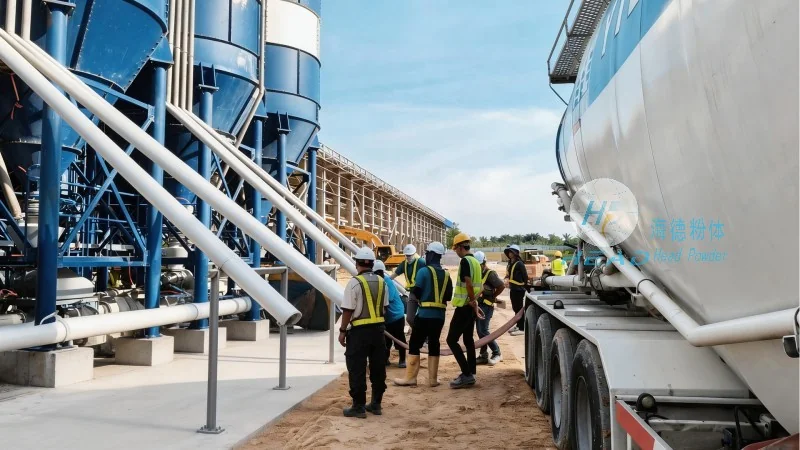
To ensure the optimal performance and longevity of silica powder pneumatic conveying equipment, several operational considerations must be taken into account. These include the proper selection of the conveying system type based on the specific characteristics of the silica powder, the regular maintenance of the system components, and the monitoring of operational parameters such as air pressure and flow rate. Regular maintenance activities include cleaning the conveying line to prevent the buildup of silica powder, inspecting the air supply system for wear and tear, and checking the control valves for proper operation. By adhering to these operational considerations and maintenance practices, users can maximize the efficiency and reliability of their silica powder pneumatic conveying systems, minimizing downtime and operational costs.
Conclusion
In conclusion, silica powder pneumatic conveying equipment is a sophisticated and efficient solution for the transport of fine powders in various industrial applications. The principles underlying these systems, combined with the specific characteristics of the working scenes, enable the design of equipment that meets the unique requirements of different industries. As a leading manufacturer, Shandong HeadPowder Engineering Co., Ltd. provides high-quality pneumatic conveying systems that are tailored to the needs of silica powder handling, ensuring that customers can achieve optimal performance and operational efficiency in their material handling processes.




