

Principle and Working Scene Characteristics of Polyvinyl Butyral Pneumatic Conveying Equipment
For industrial applications requiring efficient and reliable material handling, Polyvinyl Butyral (PVB) pneumatic conveying equipment offers a robust solution. This equipment is designed to transport PVB materials through an air-driven system, combining precision and durability to meet the demands of various production environments. The following sections will explore the fundamental principles behind this technology and the specific characteristics of its operational scenarios.
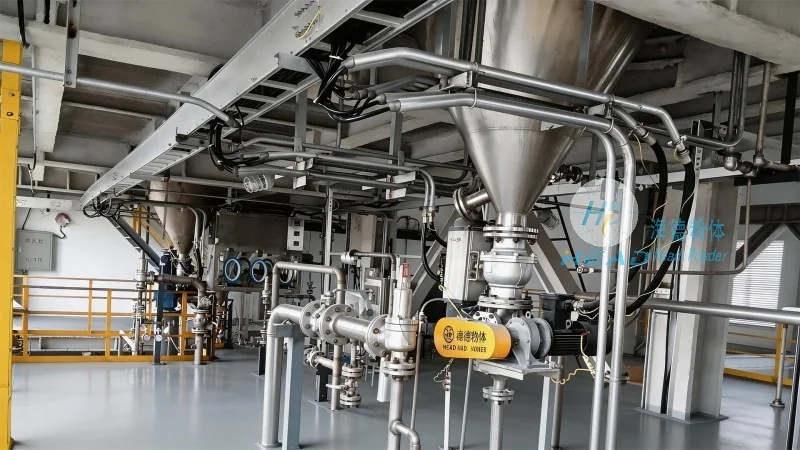
PVB Pneumatic Conveying Equipment: Core Working Principle
At the heart of PVB pneumatic conveying systems lies the principle of air-based material transport. The equipment utilizes a pressure or vacuum system to move PVB particles through a pipeline network. By generating airflow, the system creates a pressure differential that propels the material from the source to the destination. This method eliminates the need for mechanical components like belts or rollers, reducing maintenance requirements and enhancing operational safety. The design incorporates specialized components such as airlocks, cyclones, and filters to ensure efficient material separation and air purification, maintaining product integrity throughout the conveying process.
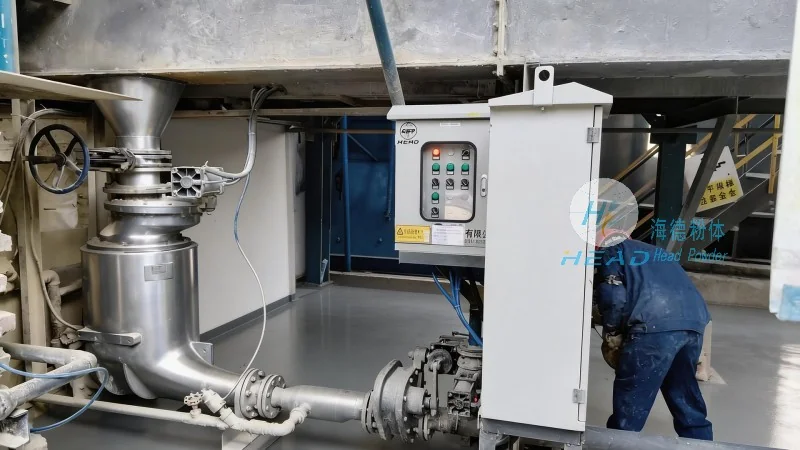
Key Working Scene Characteristics
The operational characteristics of PVB pneumatic conveying equipment are tailored to diverse industrial settings, ensuring adaptability across different production scales and material types. These characteristics include:
- Flexibility in Layout: The system can be configured in various layouts, including straight-line, loop, or Z-shaped pipelines, allowing for seamless integration into existing production lines without extensive modifications.
- Low Maintenance Requirements: Unlike traditional mechanical conveyors, pneumatic systems have fewer moving parts, leading to reduced downtime and lower maintenance costs over the equipment's lifespan.
- Material Handling Efficiency: The equipment is capable of handling fine powders or granules, with the ability to transport materials over long distances while maintaining consistent flow rates and minimizing product degradation.
- Environmental Control: Advanced filtration systems are integrated to capture dust and particulates, ensuring compliance with environmental regulations and maintaining a clean working environment.
Application Scenarios and Operational Advantages
PVB pneumatic conveying equipment is widely used in industries where precision and reliability are critical. For instance, in the automotive glass manufacturing sector, PVB is used as an interlayer in laminated glass, and the conveying system ensures that the material is delivered to the lamination process without contamination or degradation. Similarly, in the construction industry, PVB is utilized in adhesives and coatings, where the equipment's ability to handle fine powders efficiently supports consistent product quality.
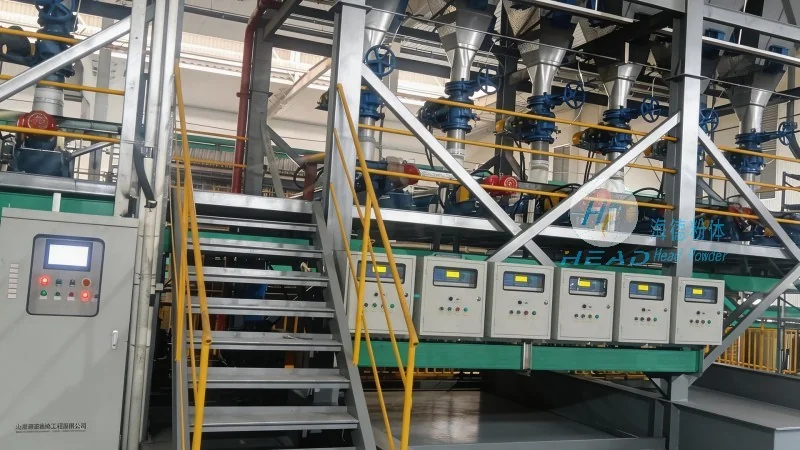
Company Profile: Shandong HeadPowder Engineering Co., Ltd.
HeadPowder, a leading manufacturer of industrial conveying solutions, specializes in developing and supplying PVB pneumatic conveying equipment tailored to client-specific needs. With a focus on innovation and quality, the company has established itself as a trusted partner in the material handling industry. HeadPowder's facilities are located in Shandong, China, where state-of-the-art manufacturing processes and rigorous quality control ensure that each piece of equipment meets the highest industry standards. The company's commitment to customer satisfaction and technical support has earned it a reputation for reliability and excellence in the market.