Cereal pneumatic conveying lines are essential equipment in the food processing industry, designed to transport bulk materials like cereals, grains, and other dry powders efficiently and safely. These systems utilize air as the conveying medium, enabling the movement of materials from one location to another without the need for mechanical components like belts or buckets. The technology has become increasingly popular due to its advantages in hygiene, speed, and minimal product contamination.
The Working Principle of Pneumatic Conveying Systems
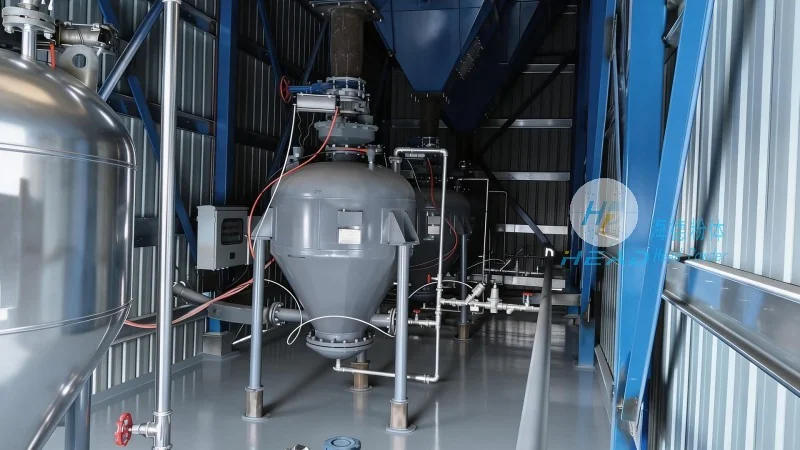
The core principle of a cereal pneumatic conveying line is the use of compressed air to create a flow that transports the material. The system typically consists of a hopper, a blower or air compressor, a pipeline network, and a discharge point. When the system is activated, the blower generates high-pressure air, which is introduced into the pipeline. The material is then introduced into the system, often through a feeder, and is carried along by the air stream. The air and material mixture travels through the pipeline until it reaches the discharge point, where the material is separated from the air and collected.
Key Components and Their Functions
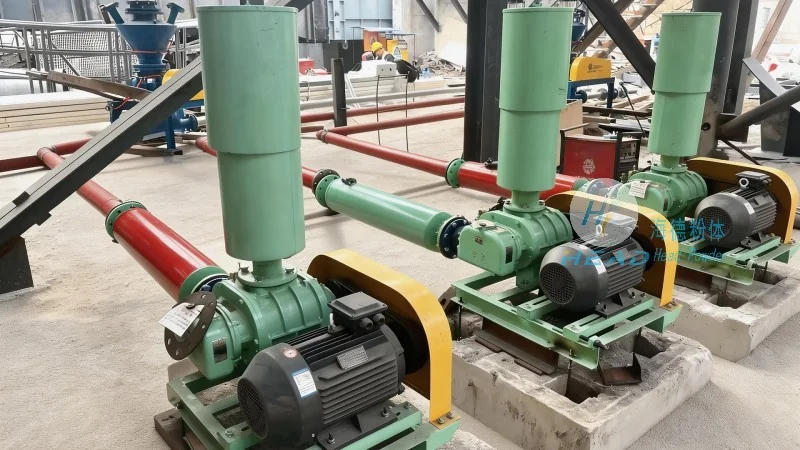
Several critical components work together to ensure the smooth operation of a cereal pneumatic conveying line. The hopper serves as the storage and feeding unit, holding the bulk material and providing a consistent flow to the system. The blower or air compressor is the power source, generating the necessary air pressure to move the material. The pipeline network connects the hopper to the discharge point, with various fittings and valves to control the flow direction and pressure. The discharge point, often equipped with a cyclone separator or filter, separates the material from the air, ensuring that the product remains clean and free from contaminants.
Application Scenarios and Industry Use Cases
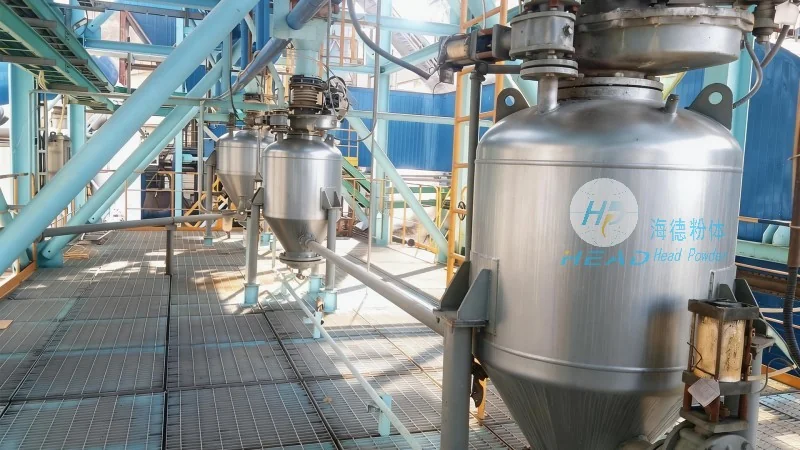
Cereal pneumatic conveying lines are widely used in various industries, particularly in food processing. They are commonly employed in cereal factories, grain mills, and snack food production facilities. In these settings, the systems are used to transport raw materials from storage silos to processing lines, and to move finished products from production areas to packaging stations. The technology is also utilized in the pharmaceutical and chemical industries for handling dry powders, where hygiene and product purity are paramount. The flexibility of pneumatic conveying allows it to adapt to different production scales, from small-scale operations to large industrial plants.
Advantages of Cereal Pneumatic Conveying Lines
Compared to traditional mechanical conveying methods, cereal pneumatic conveying lines offer several advantages. One of the most significant benefits is the reduced risk of product contamination, as the system operates in a closed environment, minimizing exposure to external elements. Additionally, the systems are highly efficient in terms of speed and throughput, allowing for rapid material transport. The lack of moving parts also reduces maintenance requirements and downtime, leading to lower operational costs. Furthermore, the flexibility of the system allows for easy integration with existing production lines and can be adapted to different material types and processing needs.
Customization and Scalability
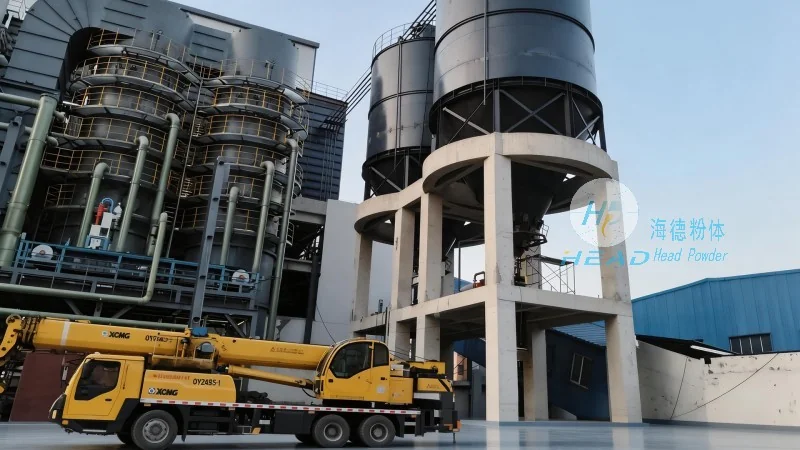
Shandong HeadPowder Engineering Co., Ltd. specializes in designing and manufacturing customized cereal pneumatic conveying lines tailored to the specific needs of clients. The company, known as headpowder, offers a range of solutions that can be scaled to accommodate different production capacities and material characteristics. Whether for small-scale operations or large industrial applications, the company provides comprehensive engineering services, including system design, installation, and maintenance support. The team at headpowder leverages advanced technology and industry expertise to deliver high-quality, reliable conveying systems that meet the highest standards of performance and safety.




