HeadPowder, a leading engineering company based in Shandong, China, specializes in the design and implementation of advanced pneumatic conveying systems tailored for industrial applications involving glass slag. This article explores the fundamental principles behind glass slag pneumatic conveying lines and highlights the key characteristics of their operational environments.
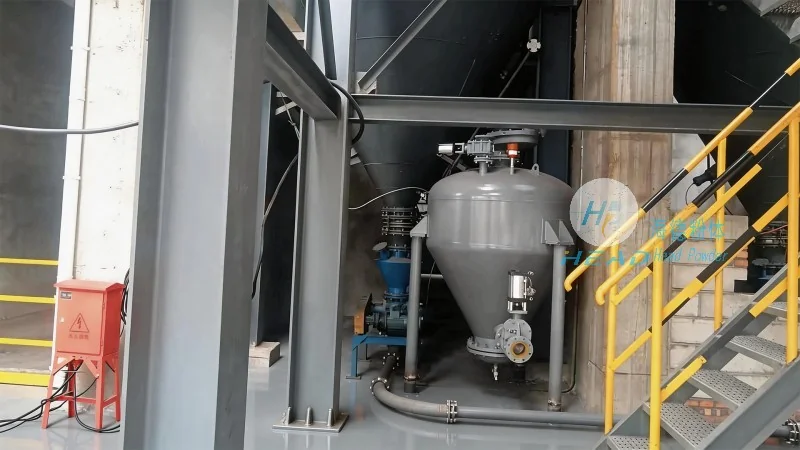
Understanding the Pneumatic Conveying Principle for Glass Slag
Glass slag pneumatic conveying lines operate on the principle of air-driven transport, where solid particles like glass slag are suspended and transported through a pipeline using a stream of air. The system typically consists of a feeding device, a conveying pipeline, a separation unit, and a discharge mechanism. The air flow, often generated by a blower or compressor, creates a pressure differential that lifts and moves the glass slag particles. This method is particularly effective for handling abrasive and irregularly shaped materials, as it minimizes mechanical wear compared to traditional belt or screw conveyors.
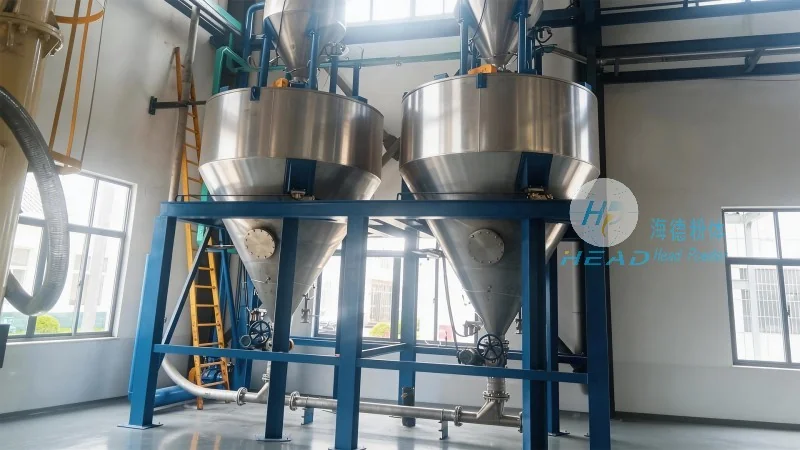
Key Working Scene Characteristics of Glass Slag Pneumatic Conveying Lines
The operational environments for glass slag pneumatic conveying systems are diverse and tailored to specific industrial needs. These systems are commonly employed in glass manufacturing facilities, where they facilitate the efficient transfer of recycled glass materials from collection points to processing units. In waste management and recycling plants, the lines help in transporting glass slag from sorting and crushing stages to storage or further treatment facilities. The working scenes often involve high-volume material handling, requiring robust and reliable conveying solutions that can handle the abrasive nature of glass particles without compromising system efficiency.
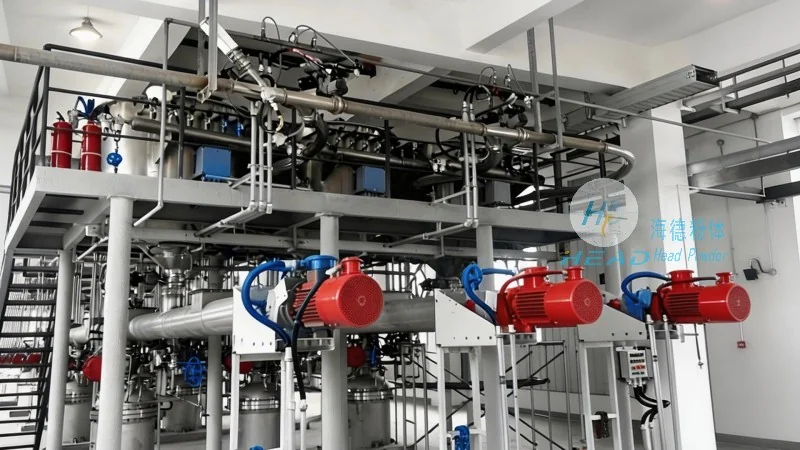
Application-Specific Operational Features
HeadPowder’s glass slag pneumatic conveying lines are designed with application-specific features to address the unique challenges of each working scene. For instance, in glass production lines, the system may need to handle varying particle sizes and moisture content, which can affect air flow and particle suspension. The company’s engineers develop customized solutions that include adjustable air pressure controls, variable speed feeders, and specialized pipeline materials resistant to glass abrasion. In recycling plants, the lines are optimized for continuous operation, with features such as automatic cleaning mechanisms to prevent clogging and maintain consistent performance over extended periods.
Advantages in Industrial Settings
Implementing glass slag pneumatic conveying lines in industrial settings offers several advantages over conventional material handling methods. The primary benefit is the reduction in labor costs associated with manual handling of heavy glass slag. Additionally, the enclosed pipeline system minimizes dust emissions and environmental contamination, which is crucial in compliance with industrial safety and environmental regulations. The systems also provide better control over material flow, allowing for precise dosing and integration with other processing equipment. This leads to improved overall productivity and reduced downtime in industrial operations.
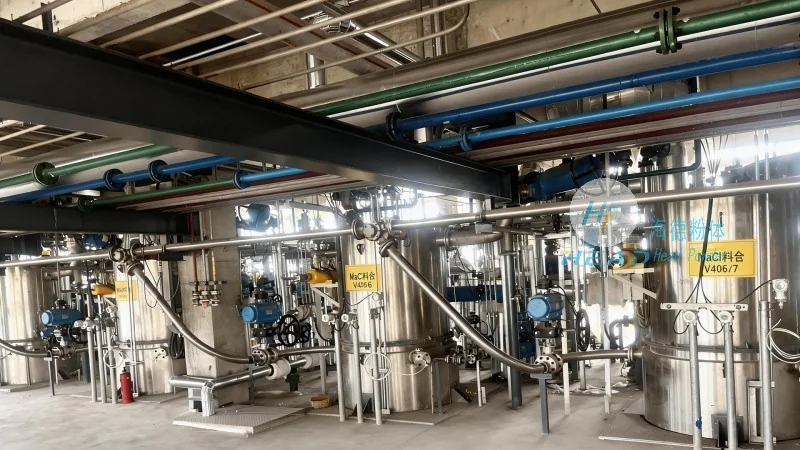
Customization and Engineering Expertise at HeadPowder
Shandong HeadPowder Engineering Co., Ltd. leverages its extensive engineering expertise to provide tailored solutions for glass slag pneumatic conveying systems. The company’s team of experienced engineers conducts thorough site assessments and material analyses to design systems that meet the specific requirements of each client. From initial concept development to final installation and commissioning, HeadPowder ensures that the conveying lines are optimized for performance, reliability, and cost-effectiveness. The company’s commitment to quality and innovation has made it a trusted partner for industries seeking efficient and sustainable material handling solutions.




