PTFE (Polytetrafluoroethylene) pneumatic conveying systems represent a sophisticated solution for material handling, particularly in industries where chemical resistance, low friction, and high purity are critical. This article delves into the fundamental principles governing these systems and explores the distinct working scene characteristics that make them ideal for various applications.
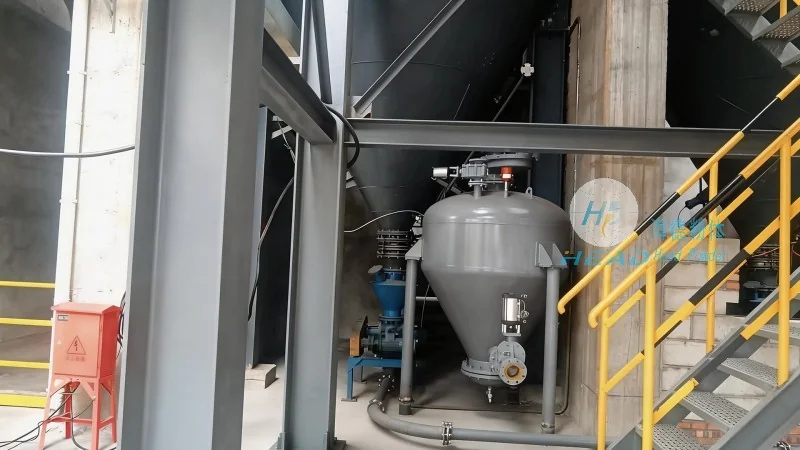
Introduction to PTFE Pneumatic Conveying Systems
At the core of PTFE pneumatic conveying systems is the use of compressed air or gas to transport bulk materials through a sealed pipeline. The material, often in powder or granular form, is entrained by the air flow and carried from the source to the destination. PTFE, known for its exceptional chemical inertness, non-stick properties, and resistance to high temperatures and abrasion, serves as the primary material for the system's components, such as the conveying line, valves, and fittings. This choice ensures that the system can handle a wide range of materials without degradation or contamination, making it suitable for industries like pharmaceuticals, food processing, and chemical manufacturing.
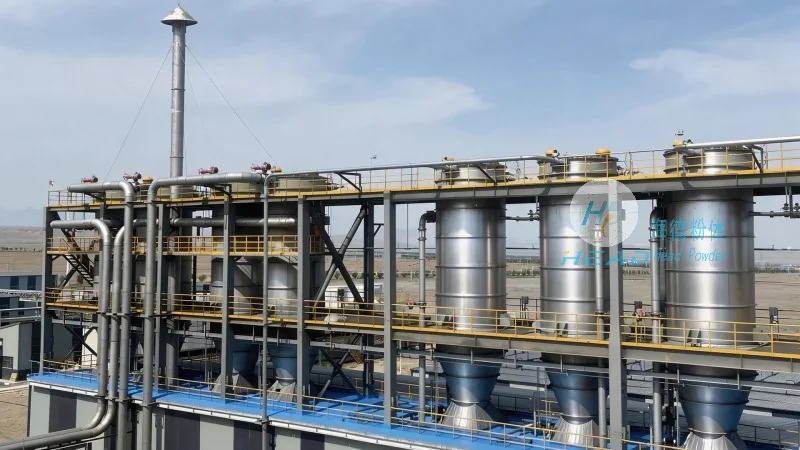
The Working Principle of PTFE Pneumatic Conveying
The operation of a PTFE pneumatic conveying system involves several key steps. First, the material is fed into the system, typically via a hopper or feeder, which ensures a consistent flow. Then, compressed air is introduced into the pipeline, creating a high-velocity air stream. The material particles are picked up by the air flow and transported through the system. The system may use different conveying modes, such as dilute phase (where particles are suspended in the air) or dense phase (where particles are more concentrated), depending on the material's properties and the required transport distance. The PTFE components play a crucial role in maintaining the integrity of the material and preventing any interaction with the system's internal surfaces, which could lead to contamination or material degradation.
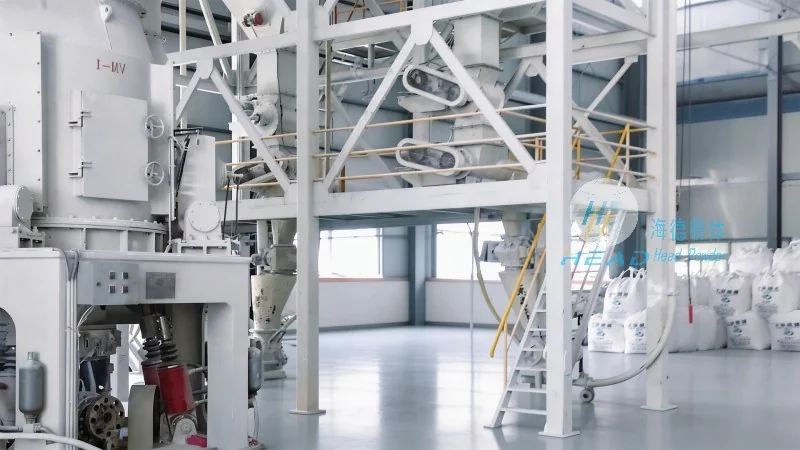
Key Working Scene Characteristics
The working scene characteristics of PTFE pneumatic conveying systems are tailored to meet the specific demands of different industrial environments. One of the most notable features is their ability to handle materials with high moisture content or those that are hygroscopic, as PTFE's non-stick surface prevents material buildup and ensures smooth flow. Additionally, these systems are designed to operate in environments where cleanliness is paramount, such as in the pharmaceutical and food industries, where any contamination could have severe consequences. The systems also offer flexibility in terms of layout, as they can be installed in various configurations, including vertical, horizontal, or a combination of both, to suit the spatial constraints of the facility.
Applications and Industry-Specific Benefits
PTFE pneumatic conveying systems are widely used in industries that require precise and controlled material transport. In the pharmaceutical sector, for example, they are used to transport active pharmaceutical ingredients (APIs) and excipients, ensuring that the materials remain pure and free from contamination. In the food industry, they handle ingredients like spices, powders, and granules, maintaining the product's quality and safety. The chemical industry also benefits from these systems when handling corrosive or reactive materials, as PTFE's resistance to chemicals prevents any adverse reactions. Furthermore, the systems are energy-efficient, as they use compressed air to move materials, reducing the need for mechanical components that could wear out over time and require frequent maintenance.
Conclusion
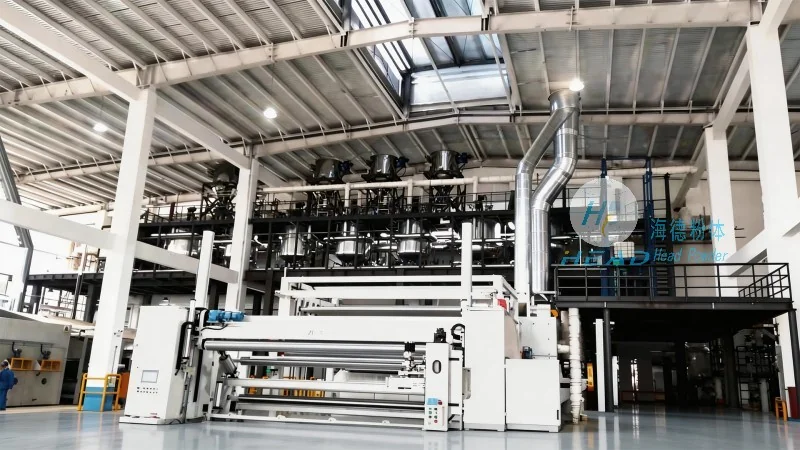
In summary, PTFE pneumatic conveying systems are a reliable and efficient solution for material handling in industries where purity, chemical resistance, and low friction are essential. The principles of operation, combined with the working scene characteristics, make them a versatile choice for various applications. As a leading manufacturer in this field, Shandong HeadPowder Engineering Co., Ltd. specializes in designing and manufacturing high-quality PTFE pneumatic conveying systems that meet the stringent requirements of modern industries. With their commitment to quality and innovation, the company provides tailored solutions that enhance operational efficiency and ensure product integrity.




