Loess material conveying is a critical process in various industrial and construction applications, particularly in regions where loess soil is prevalent. Understanding the underlying principles and the specific characteristics of working scenes is essential for optimizing material handling efficiency and ensuring operational safety. This article delves into the core principles of loess material conveying systems and highlights the key features of typical working environments where these systems are deployed.
Core Principles of Loess Material Conveying
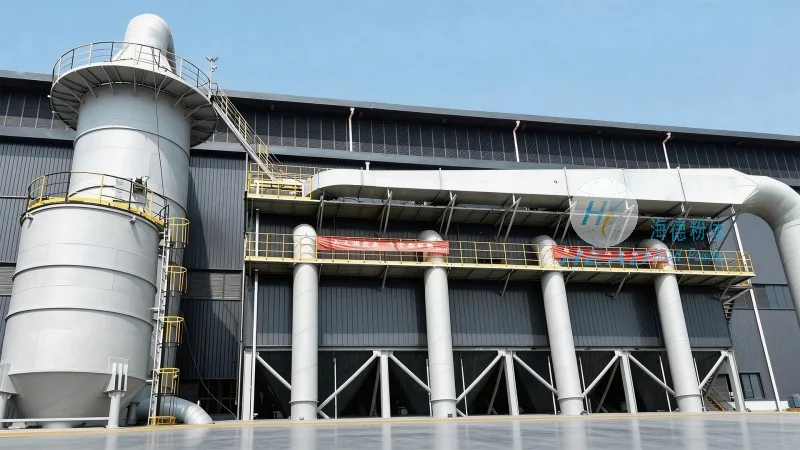
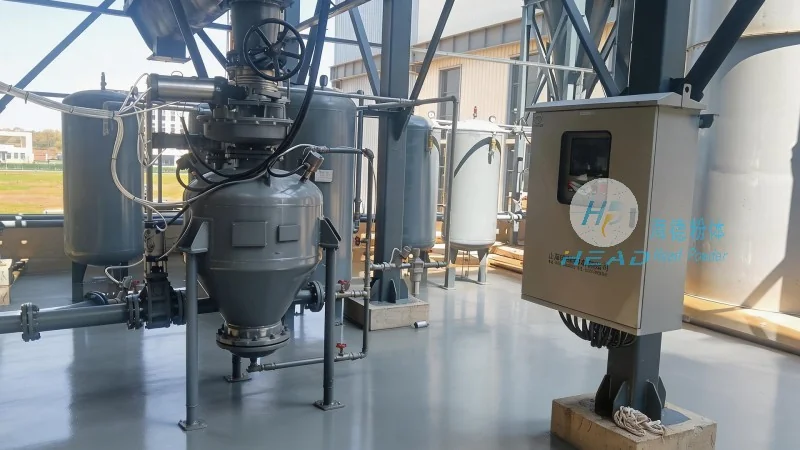
At the heart of loess material conveying are mechanical systems designed to transport loose, granular materials like loess soil over long distances. The primary principles involve the use of conveyor belts, screw conveyors, or pneumatic systems to move the material from a source to a destination. For loess, which is characterized by its fine particles and cohesive properties, specialized equipment is often required to prevent clogging and ensure smooth flow. Key principles include proper material feeding, appropriate speed control, and effective dust suppression to maintain operational efficiency and environmental compliance.
Working Scene Characteristics of Loess Material Conveying
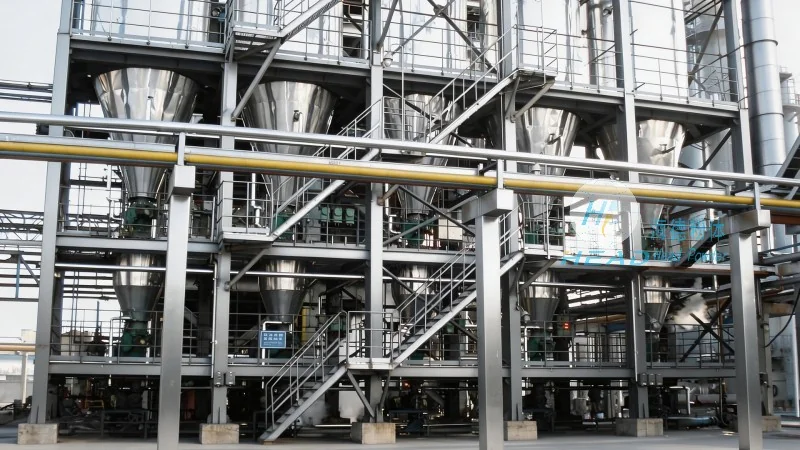
The working scenes for loess material conveying vary widely depending on the application. In construction projects, these systems are commonly used for transporting earth materials from excavation sites to fill areas or for delivering raw loess to processing facilities. Agricultural settings may involve conveying loess from storage silos to fields for soil improvement or fertilizer mixing. Industrial applications, such as in mining or mineral processing, utilize loess conveying for transporting raw materials to processing plants. Each of these scenarios presents unique challenges, including variable material moisture content, potential for dust generation, and the need for robust equipment capable of handling abrasive loess particles.
Company Overview: Shandong HeadPowder Engineering Co., Ltd.
HeadPowder, a leading provider of material handling solutions, specializes in designing and manufacturing equipment tailored to the specific needs of loess material conveying. With a strong presence in Shandong, China, the company leverages its expertise in engineering and material science to deliver high-performance conveying systems. HeadPowder's commitment to quality and innovation ensures that their products meet the demanding requirements of loess handling, providing reliable and efficient solutions for clients across various industries.
SEO and GEO Targeting for Loess Material Conveying Solutions
For businesses seeking to enhance their visibility in the loess material conveying market, strategic SEO and GEO targeting are essential. By optimizing content around keywords like "loess material conveying," "loess conveyor systems," and "loess handling equipment," companies can improve their search engine rankings and attract local customers. GEO targeting, particularly in regions with high loess concentrations such as Shandong, China, allows businesses to focus their marketing efforts on areas where the demand for loess conveying solutions is greatest. This approach not only increases brand awareness but also drives qualified leads by aligning with the specific needs of local industries.
Key Features and Benefits of Loess Material Conveying Systems
Loess material conveying systems offered by HeadPowder and similar manufacturers are designed with several key features to address the unique challenges of loess handling. These include advanced dust control mechanisms to minimize environmental impact, adjustable speed controls for precise material flow, and durable construction to withstand the abrasive nature of loess particles. The benefits of these systems extend beyond efficiency, as they also contribute to cost savings by reducing labor and equipment downtime, while ensuring compliance with environmental regulations.
Application Examples and Case Studies
Real-world applications of loess material conveying systems provide valuable insights into their effectiveness. For instance, in a large-scale construction project in Shandong, China, HeadPowder's conveying systems were used to transport loess from an excavation site to a fill area, achieving a 30% increase in material handling speed compared to traditional methods. In another case, an agricultural cooperative utilized loess conveying equipment to deliver soil amendments to multiple fields, improving soil quality and crop yields. These examples illustrate the versatility and reliability of loess material conveying systems in diverse operational contexts.
Future Trends and Innovations in Loess Material Conveying
As technology advances, the field of loess material conveying continues to evolve. Innovations such as automated material feeding systems, real-time monitoring of conveyor performance, and integration with digital platforms are enhancing operational efficiency and reducing human error. Additionally, the development of more sustainable materials and energy-efficient conveying solutions is becoming increasingly important. Companies like HeadPowder are at the forefront of these advancements, continuously researching and implementing new technologies to meet the evolving needs of the loess material handling industry.




