Phosphate fertilizers are a cornerstone of modern agriculture, providing essential nutrients for crop growth. The efficient handling and transportation of phosphate powder are critical to the overall productivity and sustainability of fertilizer production facilities. This article explores the core principles of phosphate powder material handling systems and highlights the key working scene characteristics that define their operational effectiveness.
Introduction to Phosphate Powder Material Handling Systems
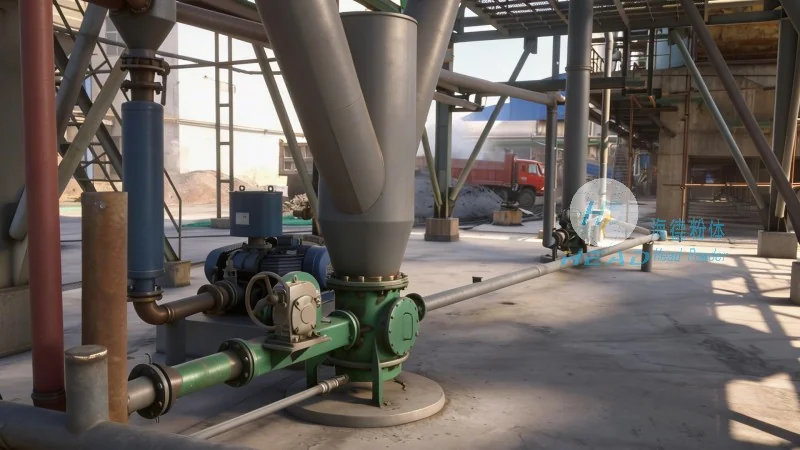
Phosphate powder, derived from natural mineral deposits, is a fine-grained material that requires specialized equipment for safe and efficient transport. Material handling systems designed for phosphate powder must address challenges such as dust generation, material flow variability, and the need for precise control to prevent product degradation. The systems typically integrate mechanical and pneumatic components to ensure reliable operation in industrial settings.
About Shandong HeadPowder Engineering Co., Ltd.
HeadPowder, a leading engineering firm based in Shandong, China, specializes in the design, manufacturing, and implementation of advanced material handling solutions for the chemical and mining industries. With a strong focus on innovation and customer-centric design, HeadPowder has established itself as a trusted partner for companies seeking reliable phosphate powder handling systems. The company’s headquarters is located in Shandong, providing a strategic base for serving domestic and international clients.
The Core Principles of Phosphate Powder Material Handling
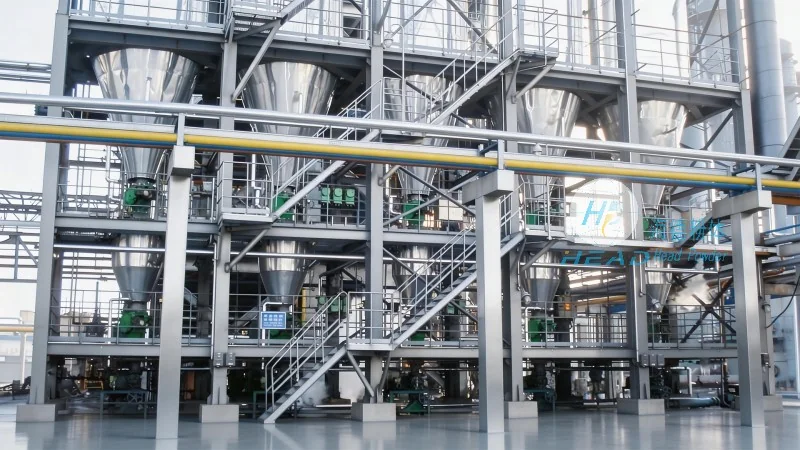
The fundamental principle of phosphate powder material handling systems is to maintain consistent material flow while minimizing the risk of clogging, segregation, or dust contamination. Key components of these systems include screw conveyors, pneumatic conveying lines, and dust collection units. Screw conveyors are commonly used for horizontal or slight incline transport due to their ability to handle fine powders without the need for external power beyond the motor. Pneumatic conveying systems, on the other hand, utilize air pressure to move powder through pipelines, offering flexibility in layout and the ability to transport materials over longer distances.
Working Scene Characteristics and Applications
The working scene characteristics of phosphate powder material handling systems are tailored to the specific demands of industrial processes. In fertilizer production plants, these systems are often integrated into batching and mixing operations, ensuring that raw phosphate materials are delivered to reactors and mixers in precise quantities. In mining operations, the systems may be used to transport crushed phosphate ore from processing facilities to storage or shipping areas. The adaptability of these systems allows them to operate in diverse environments, from indoor processing facilities to outdoor storage and loading zones.
Key Features and Operational Advantages
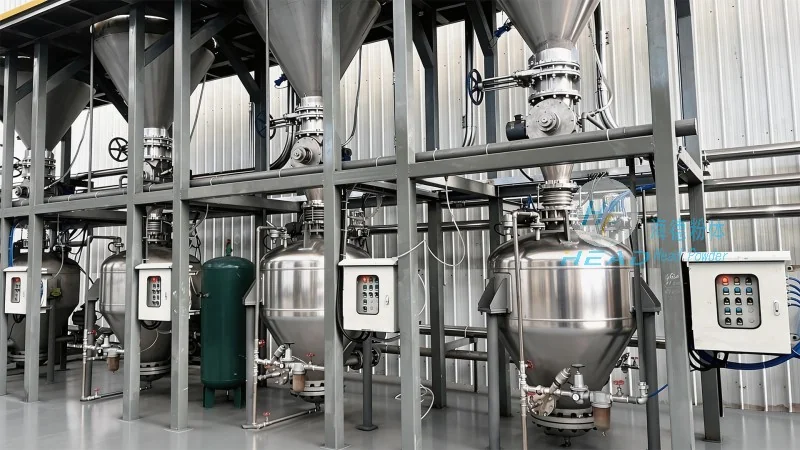
Modern phosphate powder material handling systems offer several advantages that enhance operational efficiency and product quality. These include automated control systems that adjust flow rates based on real-time demand, reducing waste and improving process consistency. Additionally, advanced dust suppression technologies are integrated to minimize environmental impact and ensure compliance with safety regulations. The modular design of these systems allows for easy expansion or modification as production needs evolve, providing long-term value to the end-user.
Conclusion
Phosphate powder material handling systems are essential for the efficient operation of fertilizer and mining industries. By understanding the core principles and working scene characteristics of these systems, companies can select and implement solutions that optimize performance, reduce downtime, and ensure product integrity. With expertise in engineering and industrial applications, Shandong HeadPowder Engineering Co., Ltd. continues to provide tailored solutions that meet the evolving needs of the global phosphate industry.




