Silica fume, a fine powder with high chemical activity, is widely used in construction and industrial applications. Efficient material handling is crucial for optimizing production processes and ensuring consistent quality. This article explores the principle and working scene characteristics of silica fume material handling systems, highlighting their technical advantages and practical applications.
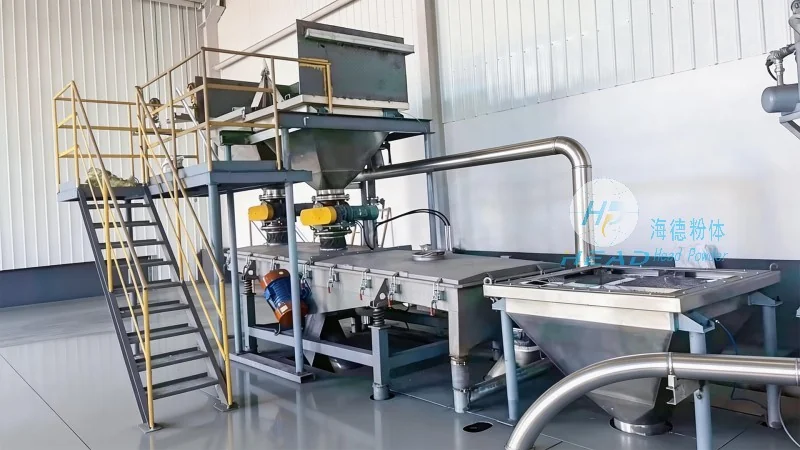
Introduction to Silica Fume Material Handling Systems
Silica fume, also known as microsilica, is a byproduct of silicon metal or ferrosilicon production. It consists of spherical particles with a diameter typically ranging from 0.1 to 0.2 micrometers. Due to its fine particle size and high surface area, silica fume is often used as a supplementary cementitious material in concrete to enhance strength and durability. The efficient transportation and storage of silica fume are critical to maintaining its quality and ensuring smooth supply chain operations. Material handling systems designed specifically for silica fume address the unique challenges posed by this material, such as its dustiness, reactivity, and tendency to agglomerate.
Core Principles of Silica Fume Material Handling
The primary principle of silica fume material handling systems is to ensure safe, reliable, and efficient transportation from storage to processing points. These systems typically incorporate advanced technologies to handle the material's physical properties. For instance, many systems use enclosed pneumatic conveying or mechanical screw conveyors to minimize dust exposure and prevent material degradation. The system design considers factors like particle size distribution, moisture content, and bulk density to optimize flow characteristics. Key components include feeders, conveyors, control valves, and dust collection systems. Advanced control systems, often integrated with sensors, monitor and adjust the flow rate in real-time, ensuring consistent material delivery. The use of stainless steel or corrosion-resistant materials in system construction is common to handle silica fume's chemical reactivity and prevent contamination.
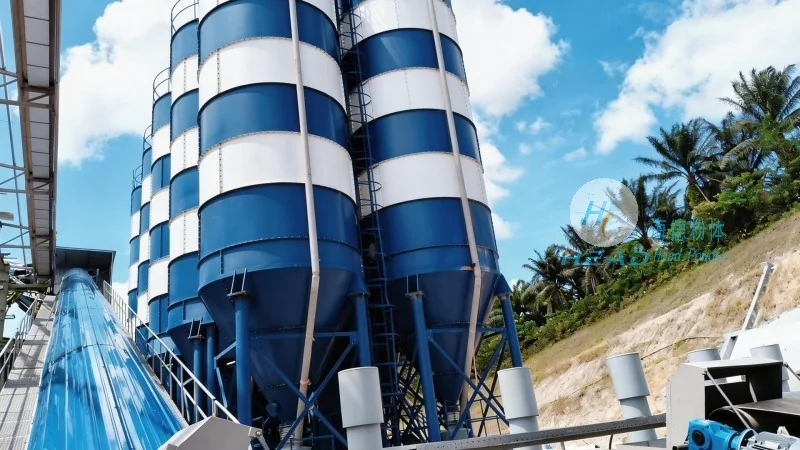
Working Scene Characteristics and Application Scenarios
Silica fume material handling systems are employed in various industrial and construction settings. In manufacturing plants, these systems facilitate the integration of silica fume into production lines, ensuring a steady supply for concrete mixing or other chemical processes. At construction sites, portable or semi-permanent systems are used to transport silica fume from storage silos to mixing trucks or on-site batching plants. The systems are also utilized in research and development laboratories where precise control over silica fume dosage is required. The working scene characteristics vary based on the scale of operation and the specific application. For large-scale industrial applications, systems are designed for high throughput and continuous operation, while smaller systems are tailored for batch processing or on-site use. The adaptability of these systems allows them to be integrated into existing infrastructure or deployed as standalone units, depending on the operational needs.
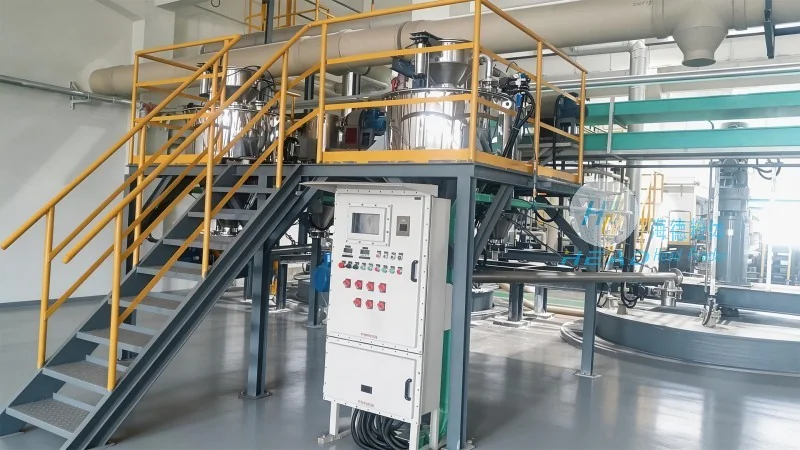
Technical Advantages and Efficiency in Material Handling
Modern silica fume material handling systems offer several technical advantages that enhance operational efficiency. One key advantage is the reduction of dust emissions, which not only improves workplace safety but also complies with environmental regulations. Enclosed conveying systems and advanced filtration technologies minimize air pollution, making the process more sustainable. The systems also improve material handling efficiency by reducing downtime and maintenance costs. The use of automated control systems ensures consistent performance and reduces the need for manual intervention, leading to higher productivity. Additionally, the design of these systems allows for easy integration with other production equipment, creating a seamless workflow. The durability of components, such as high-quality conveyor belts and robust pumps, contributes to long-term reliability and lower replacement costs. Overall, the technical advancements in silica fume material handling systems contribute to cost savings and improved product quality.
Company Profile and Service Commitment
Headpowder, a leading provider of material handling solutions, specializes in designing and manufacturing systems tailored for silica fume and other fine powders. Headpowder is Shandong HeadPowder Engineering Co., Ltd., headquartered in Shandong, China. The company has extensive experience in the engineering and application of material handling systems, ensuring that each solution meets the specific requirements of clients. Headpowder's commitment to quality and innovation is reflected in their product design, which incorporates the latest technologies and materials. The company offers comprehensive services, including system design, installation, and maintenance, to support clients throughout the lifecycle of their material handling operations. By leveraging their expertise, Headpowder helps industries optimize their silica fume handling processes, enhancing productivity and reducing operational costs. The company's focus on customer satisfaction and sustainable solutions aligns with the evolving needs of the construction and industrial sectors.




