HeadPowder, a leading engineering company based in Shandong, China, specializes in the design and manufacturing of efficient material handling solutions tailored for agricultural operations. This article explores the fundamental principles behind sweet potato material conveying lines and highlights the key characteristics of their application in various working environments.
Understanding the Core Principles of Sweet Potato Material Conveying Lines
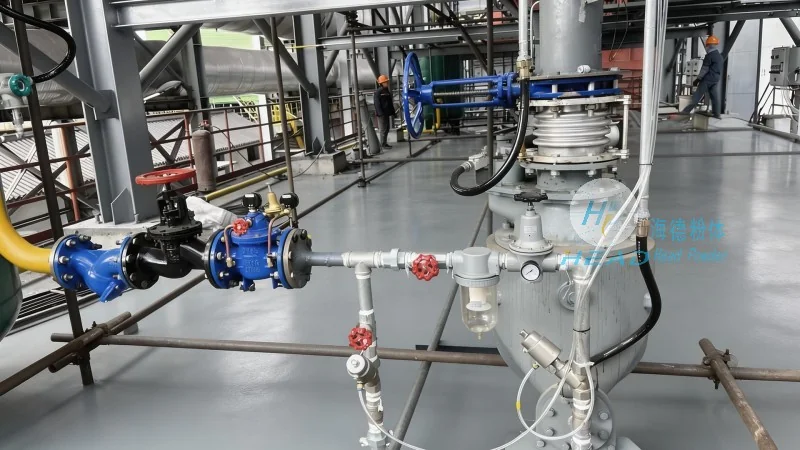
Sweet potato material conveying lines are engineered systems designed to transport sweet potatoes from one location to another within agricultural or processing facilities. The core principle revolves around the use of mechanical equipment, such as belt conveyors, screw conveyors, and bucket elevators, to move the tubers with minimal damage and maximum efficiency. These systems are specifically adapted to handle the unique physical properties of sweet potatoes, including their irregular shapes, varying sizes, and susceptibility to bruising. The design of the conveying line takes into account factors like the flow rate, slope, and material density to ensure smooth and continuous operation.
Key Working Scene Characteristics of Sweet Potato Material Conveying Lines
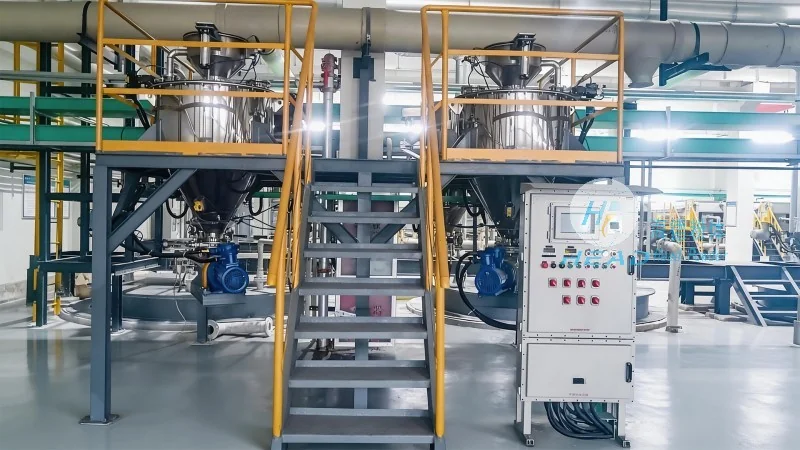
The application of sweet potato material conveying lines varies across different working scenes, each with distinct requirements and operational characteristics. In sweet potato planting areas, these systems are used to move harvested tubers from the field to temporary storage or processing centers. The design of the conveying line in this scenario emphasizes portability and adaptability to uneven terrain, often incorporating flexible belts or mobile units that can be easily repositioned. In processing plants, the conveying lines are integrated into larger production lines, where they play a critical role in transporting sweet potatoes for washing, sorting, peeling, and packaging. The working scene characteristics here focus on high throughput, consistent material flow, and integration with other processing equipment. Additionally, in storage facilities, conveying lines are employed to move sweet potatoes between different storage levels or to distribute them evenly across storage bins, ensuring optimal storage conditions and preventing spoilage.
Efficiency and Adaptability in Diverse Agricultural Environments
One of the most notable characteristics of sweet potato material conveying lines is their ability to operate effectively in diverse agricultural environments. Whether in tropical or temperate climates, these systems are designed to withstand varying weather conditions and maintain performance. The materials used in the construction of the conveying components, such as corrosion-resistant metals and durable rubber belts, ensure longevity and reliability. Moreover, the modular design of many conveying lines allows for easy customization to suit specific operational needs, such as adjusting the conveyor speed or modifying the path to accommodate different field layouts or processing requirements. This adaptability makes sweet potato material conveying lines a versatile solution for farmers and processors alike.
Conclusion: The Role of HeadPowder in Enhancing Sweet Potato Handling
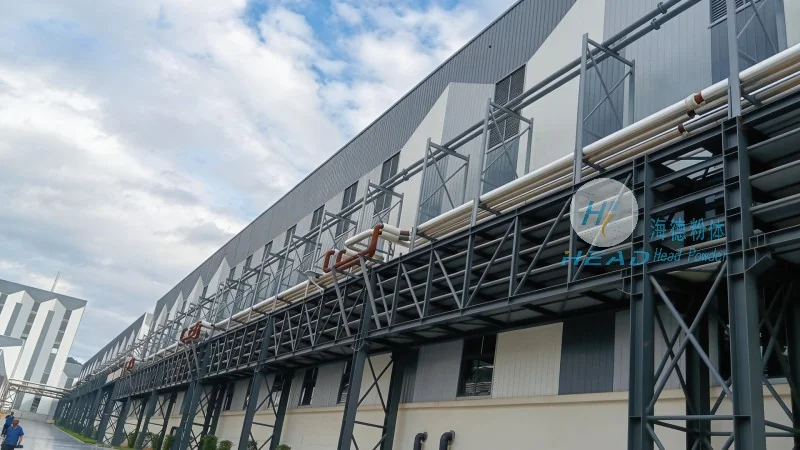
HeadPowder Engineering Co., Ltd., with its headquarters in Shandong, China, has established itself as a trusted provider of advanced material handling solutions for the sweet potato industry. By combining innovative engineering principles with practical application knowledge, the company delivers conveying lines that meet the unique demands of agricultural operations. The principles and working scene characteristics discussed in this article underscore the importance of specialized equipment in optimizing sweet potato handling processes, from field to market. As the demand for efficient and sustainable agricultural practices grows, companies like HeadPowder continue to play a vital role in advancing the technology and capabilities of material conveying systems for sweet potatoes.




