Light calcium material conveying lines are essential systems in industrial processing, designed to efficiently transport light calcium carbonate (often referred to as light calcium) from storage areas to processing or packaging stations. These lines are engineered to handle the unique properties of light calcium, such as its fine particle size and low bulk density, ensuring smooth and reliable material flow. The core components of a typical light calcium conveying line include feeders, conveyors (like belt conveyors or pneumatic systems), and control mechanisms that work in tandem to maintain consistent material movement. Understanding the principle behind these systems and their application in various industrial settings is crucial for optimizing production efficiency and minimizing operational disruptions. As a leading provider of industrial conveying solutions, Shandong HeadPowder Engineering Co., Ltd. specializes in designing and manufacturing light calcium material conveying lines tailored to the specific needs of clients in diverse industries.
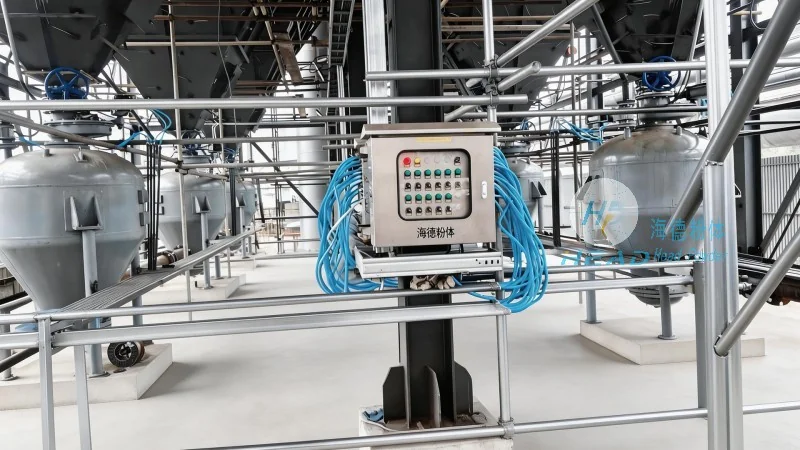
Key Components and Their Functions
The light calcium material conveying line consists of several critical components, each playing a vital role in the overall operation. The first component is the material feeder, which is responsible for uniformly feeding light calcium from the storage silo or hopper into the conveying system. This component is often equipped with adjustable speed controls to regulate the flow rate, preventing overloading or underfeeding that could lead to blockages or uneven material distribution. Next, the conveyor itself—whether a belt conveyor, screw conveyor, or pneumatic conveyor—transports the material from the feeder to the next processing stage. Belt conveyors are commonly used for bulk material handling due to their high capacity and ability to handle abrasive materials like light calcium. Pneumatic conveying systems, on the other hand, use air pressure to move fine powders, offering advantages in dust control and flexibility in layout. Finally, the control system monitors and adjusts the operation of the feeder and conveyor, ensuring that the material flow remains stable and responsive to changes in production demand. This system typically includes sensors to detect material levels, flow rates, and any potential blockages, triggering alarms or adjustments to maintain optimal performance.
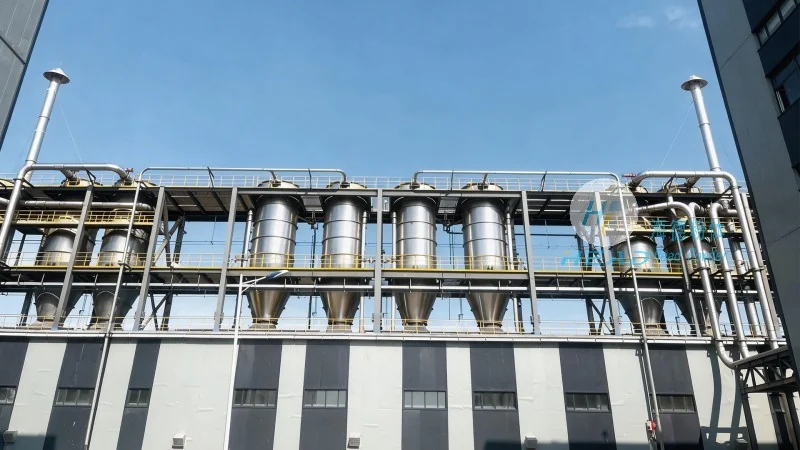
Principle of Operation
The principle of light calcium material conveying lines is based on the mechanical or pneumatic transfer of material from a source to a destination. In mechanical systems, the feeder delivers the material onto a moving conveyor belt, which transports it to the discharge point. The speed of the conveyor and the feed rate from the hopper are carefully balanced to maintain a steady flow. For example, a screw conveyor uses rotating screws to push material forward, while a belt conveyor relies on the friction between the belt and the material to move it. In pneumatic systems, compressed air is used to create a flow of air and material through a pipeline. The material is suspended in the air stream and transported to the target location. The pressure and velocity of the air are controlled to ensure efficient and dust-free transfer. The key to the principle is maintaining a consistent flow rate and preventing material buildup or blockages, which can occur due to the fine particle size of light calcium. Proper design of the conveying line, including the slope of the conveyor and the size of the ducts, is essential to achieve smooth material movement and avoid clogging.
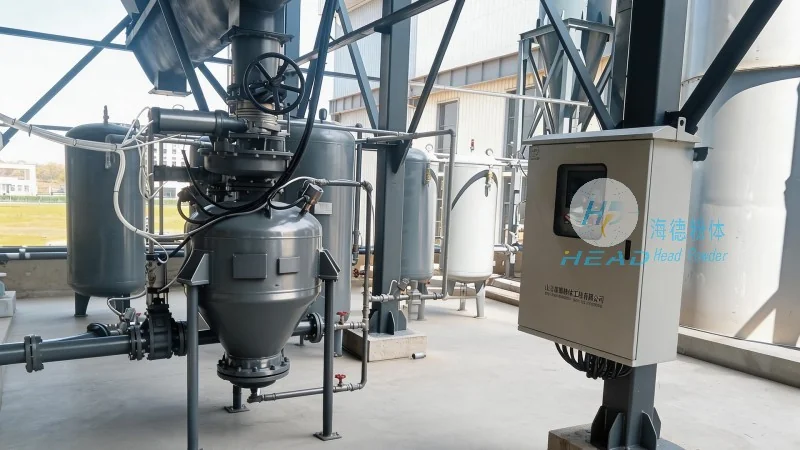
Working Scene Characteristics
Light calcium material conveying lines are widely used in various industrial applications, each with distinct characteristics that influence the design and operation of the system. One common application is in the production of light calcium carbonate for use in coatings, plastics, and paper. In this scenario, the conveying line connects the storage silo to the mixing or grinding equipment, ensuring a continuous supply of raw material. The system must be able to handle high volumes of material, often in large-scale production facilities, and maintain a consistent flow to meet production targets. Another application is in the food and pharmaceutical industries, where light calcium is used as a filler or supplement. Here, the conveying line must meet stringent hygiene standards, with components made of food-grade materials and sealed to prevent contamination. The system may also include dust collection and filtration equipment to ensure that the material is handled in a clean and safe manner. Additionally, in construction material processing, light calcium is used as a filler in cement and concrete. The conveying line in this context must be robust enough to handle the abrasive nature of the material and resistant to corrosion from moisture or chemicals. The working scene characteristics also include the need for flexibility in layout, as production facilities may be expanded or reconfigured over time. Modular conveying systems that can be easily reconfigured or expanded are often preferred to accommodate changes in production requirements.
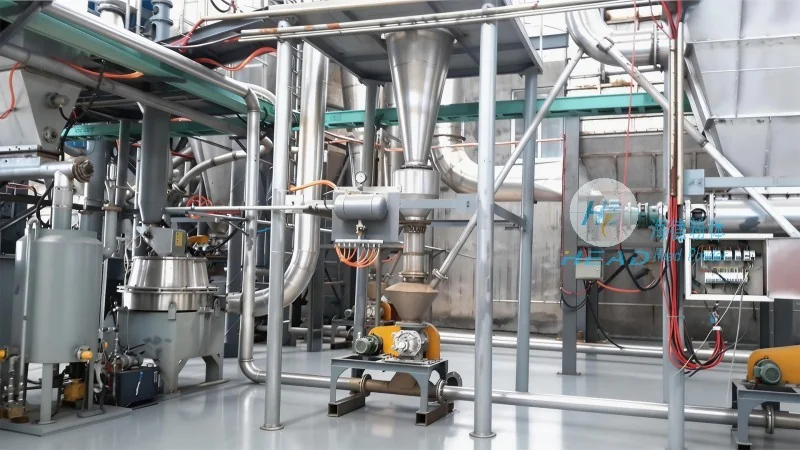
Advantages and Considerations
Light calcium material conveying lines offer several advantages that make them a preferred choice in industrial applications. One of the primary advantages is their ability to handle fine powders efficiently, which is crucial for light calcium due to its small particle size. Mechanical conveyors, such as belt and screw conveyors, are capable of transporting large volumes of material with minimal energy consumption, making them cost-effective for high-volume production. Pneumatic systems, while more energy-intensive, provide advantages in dust control and flexibility, making them suitable for applications where hygiene and layout flexibility are critical. Another advantage is the reliability of these systems, which are designed to operate continuously with minimal downtime. Proper maintenance and regular inspections are essential to ensure long-term performance and prevent breakdowns. However, there are also considerations to keep in mind when implementing a light calcium conveying line. The fine particle size of light calcium can lead to issues such as clogging, especially in the feeder and conveyor components. This requires careful design of the system, including the use of anti-clogging feeders and smooth, non-porous conveyor surfaces. Additionally, the material's low bulk density means that larger volumes are required to achieve the desired throughput, which may increase the size and cost of the conveying line. Dust control is another important consideration, as light calcium is a fine powder that can create dust during handling. Proper ventilation and filtration systems are necessary to maintain a safe and healthy working environment and comply with environmental regulations.




