Efficient material handling is a critical factor in modern industrial operations, particularly for processes involving bulk powders. Pneumatic conveying systems have emerged as a sophisticated solution for transporting these materials with speed and precision. This article explores the fundamental principles behind rapid powder material handling through pneumatic conveying, alongside an analysis of key working scenarios where such technology excels.
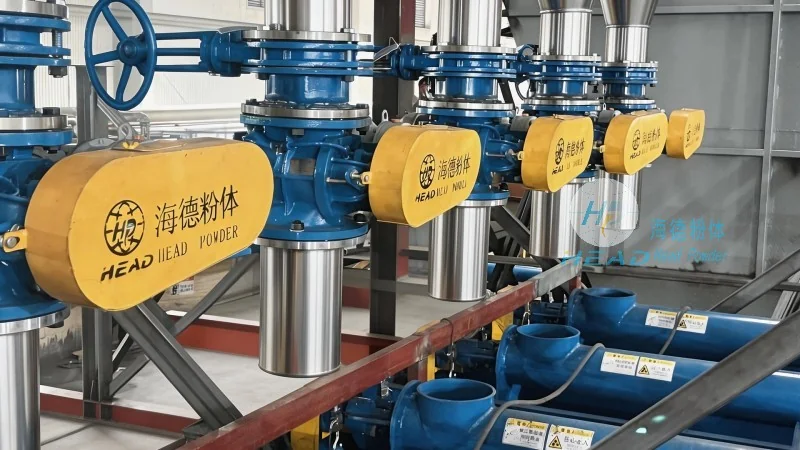
Introduction to Pneumatic Conveying for Rapid Powder Handling
Pneumatic conveying, also known as powder pneumatic transport, is a method that utilizes compressed air or other gases to move dry powders and granular materials from one location to another. Unlike traditional mechanical conveying systems, which rely on belts, screws, or buckets, pneumatic systems offer advantages such as flexibility, cleanliness, and the ability to handle materials in a dust-free environment. The core of this technology lies in the efficient transfer of material using air flow, making it ideal for applications where speed and hygiene are paramount.
HeadPowder Engineering: A Leader in Pneumatic Conveying Solutions
At the forefront of this technology is Shandong HeadPowder Engineering Co., Ltd., a company based in Shandong, China. Specializing in the design, manufacturing, and implementation of advanced pneumatic conveying systems, HeadPowder has established itself as a trusted partner for industries requiring reliable and efficient powder handling solutions. With a focus on innovation and customer-centric design, the company delivers tailored systems that meet the unique demands of each application.
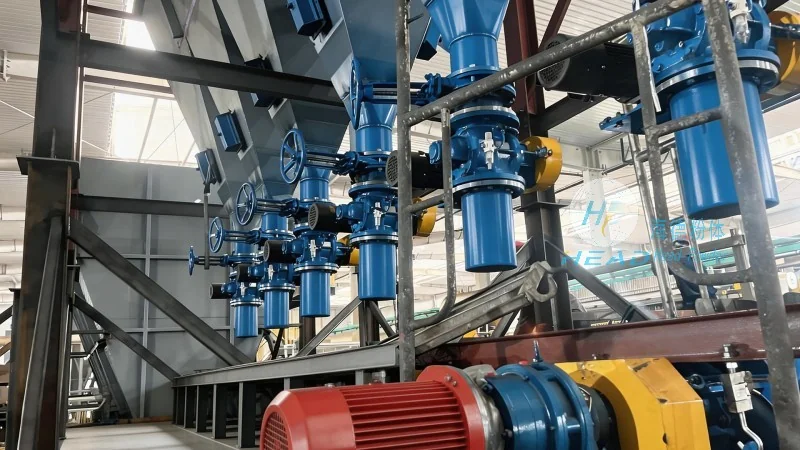
The Core Principles of Rapid Powder Material Handling via Pneumatic Conveying
The effectiveness of pneumatic conveying for rapid powder handling is rooted in several key principles. First, the system relies on the creation of a pressure differential between the conveying line and the ambient environment. This differential generates the necessary force to move the material through the pipeline. Second, the design of the system, including the type of air nozzles, pipeline layout, and material feed mechanisms, is optimized to minimize pressure loss and maximize material velocity. Third, the use of appropriate air flow rates and particle size considerations ensures that the material is conveyed efficiently without degradation or segregation.
Working Scenario Characteristics: Where Pneumatic Conveying Excels
Pneumatic conveying systems are particularly well-suited for a variety of industrial applications, each with distinct characteristics that highlight the technology's versatility. For instance, in pharmaceutical manufacturing, where product purity and contamination control are critical, pneumatic systems provide a closed-loop, dust-free environment that maintains product integrity. In food processing, the same principles apply, ensuring that powders are handled hygienically and without cross-contamination. Additionally, in chemical and mining industries, where bulk materials need to be transported over long distances or between different processing stages, pneumatic conveying offers a cost-effective and efficient solution compared to traditional methods.
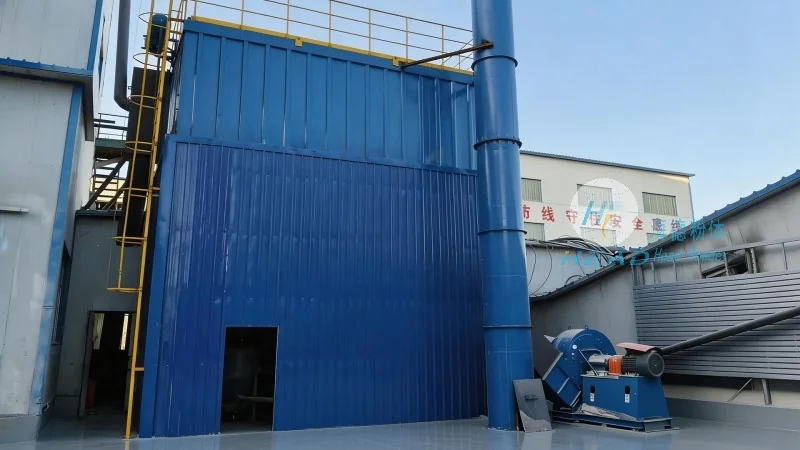
Key Advantages and Practical Considerations
When evaluating pneumatic conveying for rapid powder handling, several advantages stand out. These include the ability to handle a wide range of materials, from fine powders to coarse granules, with minimal maintenance requirements. The systems are also highly adaptable, allowing for integration with existing production lines or expansion as operational needs evolve. However, practical considerations such as material properties, pipeline design, and air pressure requirements must be carefully considered to ensure optimal performance. Proper system sizing and material testing are essential to avoid issues like blockages or inefficient transport.
Conclusion: The Future of Rapid Powder Handling
As industries continue to demand faster, more efficient, and cleaner methods for handling bulk powders, pneumatic conveying technology remains a cornerstone of modern material handling solutions. With companies like Shandong HeadPowder Engineering Co., Ltd. leading the way in innovation and implementation, the future of rapid powder material handling looks increasingly promising. By understanding the principles and working scenarios of pneumatic conveying, businesses can make informed decisions to enhance operational efficiency and maintain high standards of product quality.




