Multi-hopper pneumatic powder conveying systems represent a sophisticated solution for the efficient and reliable transport of bulk powders over long distances or within complex industrial settings. At the core of this technology lies the multi-hopper pump, which serves as the central unit for material handling, enabling precise control over the flow rate and pressure of the conveying process. This system is particularly valuable in industries where consistent and clean material transfer is critical, such as in pharmaceuticals, food processing, and chemical manufacturing.
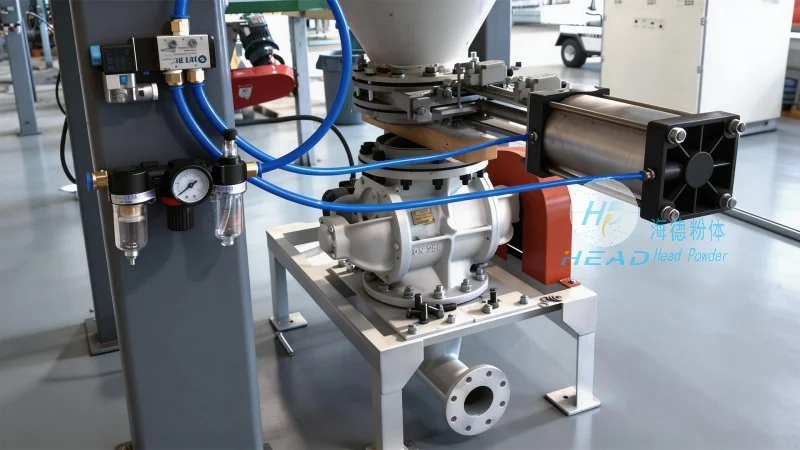
The Fundamental Principle of Multi-Hopper Pneumatic Conveying
The operation of a multi-hopper pneumatic conveying system is based on the principle of creating a pressure differential between the hopper and the discharge point. The system typically consists of multiple hoppers, each containing a different material or a batch of the same material, connected to a central air compressor and a series of pipelines. When the system is activated, the air compressor generates high-pressure air that is introduced into the hopper, creating a vacuum or pressure that propels the powder particles through the pipeline. The multi-hopper design allows for sequential or simultaneous discharge of materials, providing flexibility in handling various powder types and batch sizes. The control system, often integrated with sensors and automation, ensures that the conveying process is optimized for efficiency, minimizing energy consumption and maximizing material throughput.
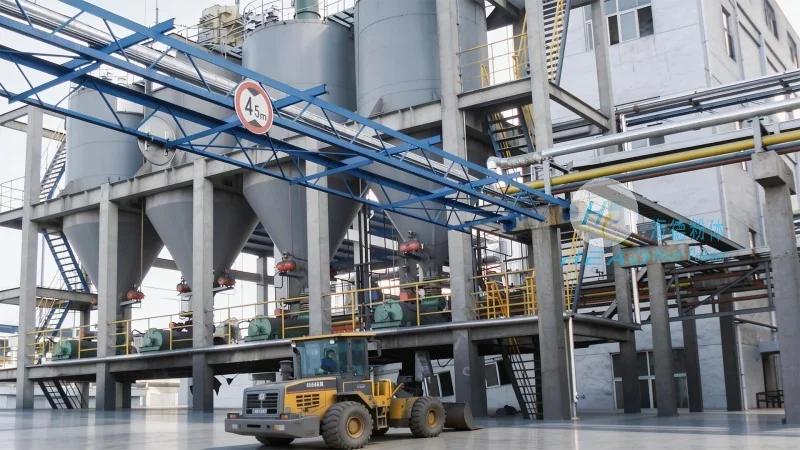
Key Working Scenario Characteristics
Multi-hopper pneumatic conveying systems are tailored to meet diverse operational requirements across various industrial applications. One of the primary characteristics is their ability to handle a wide range of powder properties, including different particle sizes, densities, and flowability. This adaptability makes them suitable for transporting materials that are difficult to handle with traditional methods, such as fine powders that tend to clog or agglomerate. Additionally, the system's modular design allows for easy integration into existing production lines, reducing downtime during installation and maintenance. The enclosed pipeline system also contributes to improved safety and environmental control, as it prevents dust emissions and contamination from external sources. In terms of scalability, these systems can be customized to handle varying capacities, from small-scale laboratory applications to large-scale industrial production, making them versatile for different operational needs.
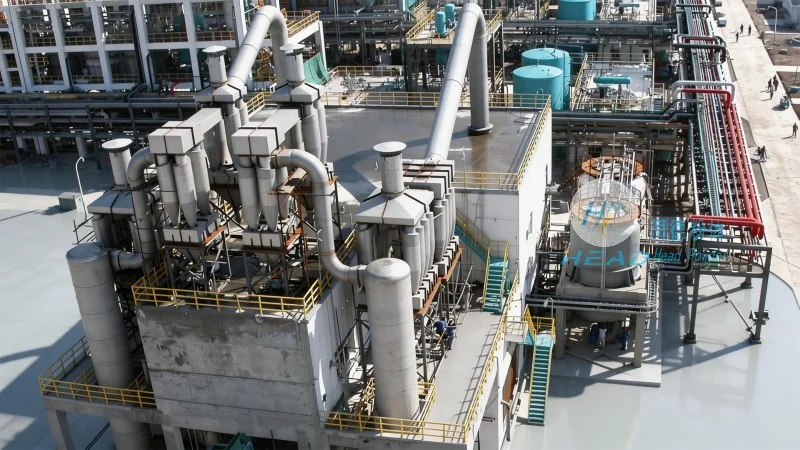
Applications and Industry Impact
Multi-hopper pneumatic conveying systems find extensive applications in industries where the handling of bulk powders is essential for production continuity. For instance, in the pharmaceutical industry, these systems are used to transport active pharmaceutical ingredients (APIs) and excipients with high precision, ensuring compliance with stringent quality and safety standards. In the food processing sector, they facilitate the transfer of ingredients like flour, sugar, and spices, maintaining hygiene and preventing cross-contamination. Similarly, in the chemical industry, they are employed to handle reactive or hazardous powders, providing a safe and controlled environment for material transfer. The efficiency and reliability of multi-hopper systems contribute to improved productivity and reduced operational costs, as they minimize material loss and downtime associated with traditional handling methods.
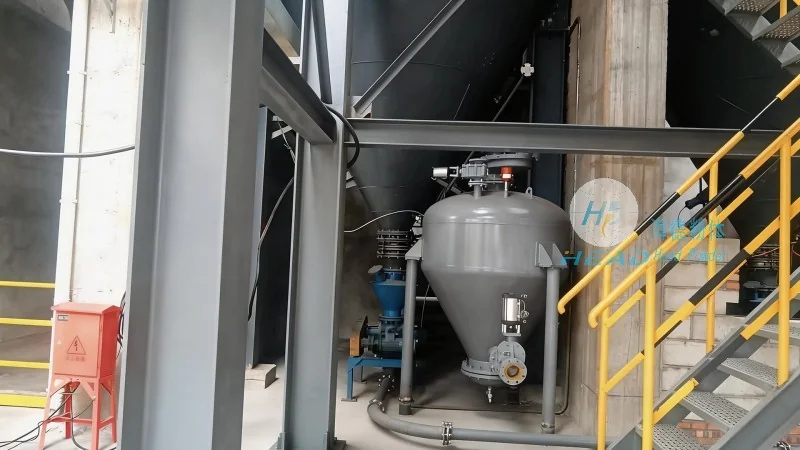
Advantages and Technical Considerations
Implementing a multi-hopper pneumatic conveying system offers several advantages over conventional methods. The primary benefit is the ability to achieve high material throughput with minimal labor, as the system operates automatically once set up. The enclosed design also enhances safety by containing dust and preventing exposure to airborne particles, which is crucial in industries with health and safety regulations. Furthermore, the system's energy efficiency, particularly when optimized with variable frequency drives (VFDs), reduces operational costs over time. However, technical considerations must be addressed to ensure optimal performance. These include selecting the appropriate air compressor and pipeline diameter based on the powder characteristics and conveying distance, as well as maintaining the system's components to prevent wear and tear. Regular maintenance, such as cleaning the hoppers and checking the air filter, is essential to sustain the system's efficiency and longevity.




