Understanding the fundamental principles and practical application scenarios of sulfur tablet powder pneumatic conveying is crucial for optimizing material handling processes in industrial settings. This article delves into the technical aspects of this method, highlighting its efficiency and versatility in transporting sulfur tablets as a fine powder. By examining the underlying mechanisms and real-world implementations, we can appreciate how this technology enhances operational productivity and safety in various industrial applications.
Introduction to Sulfur Tablet Powder Pneumatic Conveying
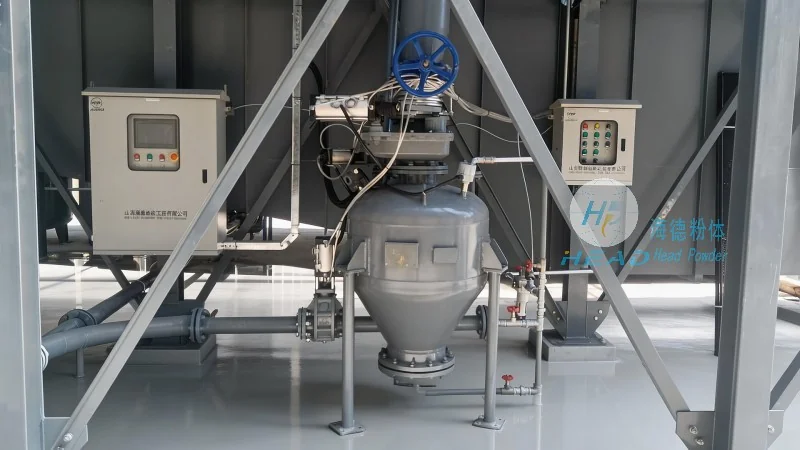
Pneumatic conveying, also known as pneumatic transport, is a process that uses pressurized air or vacuum to move bulk materials like sulfur tablets from one location to another. In the context of sulfur tablet powder, this method involves converting solid tablets into a fine powder and then transporting them through a pipeline using air flow. The technology is widely adopted in industries where precise and controlled material transport is essential, such as chemical manufacturing, pharmaceuticals, and food processing. The core of this process lies in the interaction between the solid particles (sulfur tablets) and the gas (air), creating a two-phase flow system that enables efficient movement.
Key Principles of Pneumatic Conveying for Sulfur Tablets
The effectiveness of sulfur tablet powder pneumatic conveying is governed by several key principles. First, the material's physical properties, including particle size, density, and moisture content, significantly influence the conveying performance. Sulfur tablets, when ground into a fine powder, exhibit specific characteristics that affect how they interact with air. For instance, smaller particle sizes can lead to higher air resistance, requiring adjustments in air velocity and pressure to maintain optimal flow. Second, the design of the conveying system, including the type of pipeline (e.g., positive pressure or negative pressure), plays a critical role. Positive pressure systems use compressed air to push the material through the pipeline, while negative pressure systems use vacuum to pull it. The choice between these systems depends on the distance, elevation changes, and material characteristics. Third, the system's components, such as the feeders, separators, and filters, are essential for maintaining the quality and integrity of the sulfur powder. Properly designed feeders ensure a consistent flow of material into the pipeline, preventing blockages or uneven distribution. Separators and filters, on the other hand, help to separate any entrained air or fine particles, ensuring that the delivered material is free from contaminants and meets quality standards.
Application Scenarios in Industrial Settings
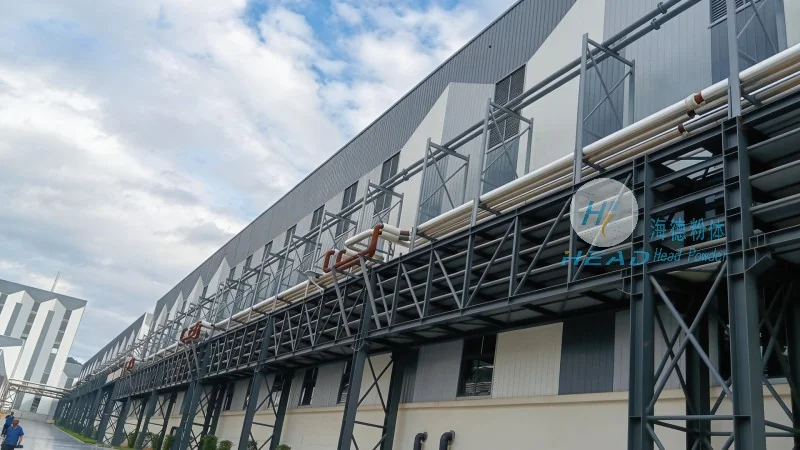
Sulfur tablet powder pneumatic conveying finds extensive application in various industrial scenarios, each tailored to specific operational needs. One common use case is in chemical manufacturing facilities where sulfur is used as a raw material for producing sulfuric acid or other sulfur-based compounds. In such settings, the pneumatic conveying system efficiently transports sulfur tablets from storage silos to processing units, ensuring a continuous supply of material without manual handling. This not only improves operational efficiency but also reduces the risk of dust exposure and accidents associated with manual handling of fine powders. Another application is in pharmaceutical and food processing industries, where sulfur is used as a preservative or processing aid. Here, the pneumatic conveying system must adhere to strict hygiene and safety standards, ensuring that the sulfur powder is handled in a clean and controlled environment. The system's design often includes features like closed pipelines and filtration to prevent contamination and maintain product purity. Additionally, in mining and mineral processing operations, sulfur tablets may be used as a reagent or additive. The pneumatic conveying method allows for the efficient transport of sulfur from storage areas to processing equipment, supporting the overall mining and extraction processes. Each of these scenarios highlights the adaptability of pneumatic conveying technology to diverse industrial requirements, making it a preferred choice for material handling in sulfur tablet applications.
Advantages and Considerations for Sulfur Tablet Powder Pneumatic Conveying
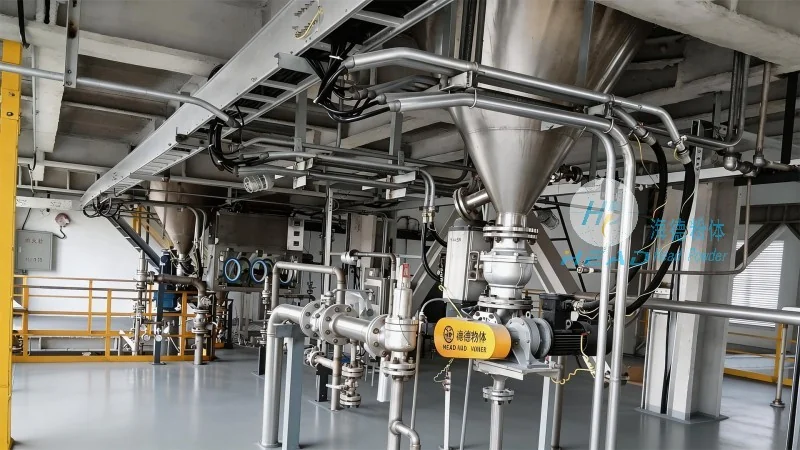
Implementing sulfur tablet powder pneumatic conveying offers several advantages that make it a valuable solution for industrial material handling. One of the primary benefits is the ability to transport materials over long distances and through complex layouts without the need for mechanical conveyors. This reduces installation costs and maintenance requirements, as there are fewer moving parts and less wear and tear on equipment. Additionally, pneumatic conveying systems can handle a wide range of material types, including abrasive or corrosive materials like sulfur tablets, without causing damage to the equipment. The process also allows for precise control over material flow rates, enabling manufacturers to adjust production speeds according to demand. However, there are also considerations to keep in mind when implementing this technology. For instance, the system requires careful design to prevent blockages and ensure consistent flow, especially with fine powders that can settle or agglomerate. Proper maintenance of the system components, such as filters and separators, is crucial to avoid downtime and maintain efficiency. Furthermore, the energy consumption of pneumatic conveying systems can be significant, particularly with high-pressure or long-distance applications. Companies like Shandong HeadPowder Engineering Co., Ltd., based in China, specialize in designing and manufacturing customized pneumatic conveying solutions tailored to specific industrial needs, ensuring optimal performance and reliability.
Conclusion
In conclusion, sulfur tablet powder pneumatic conveying is a sophisticated and efficient method for transporting fine materials in industrial settings. By understanding the underlying principles and application scenarios, industries can leverage this technology to enhance productivity, safety, and material quality. The adaptability of pneumatic conveying systems, combined with the expertise of companies like Shandong HeadPowder Engineering Co., Ltd., makes it a reliable choice for handling sulfur tablets and other similar materials. As industrial demands continue to evolve, the continued development and optimization of pneumatic conveying technology will remain critical for maintaining operational efficiency and competitiveness in various sectors.




