Pneumatic conveying of powdered baking soda is a critical process in various industrial applications, enabling the efficient transport of this light, fine material from one location to another. The principle behind this method involves using a stream of air or gas to move the solid particles through a pipeline system. Unlike traditional mechanical conveying systems, which rely on belts or screws, pneumatic conveying offers advantages such as reduced contamination risk, lower maintenance requirements, and the ability to handle materials that are prone to dust or caking.
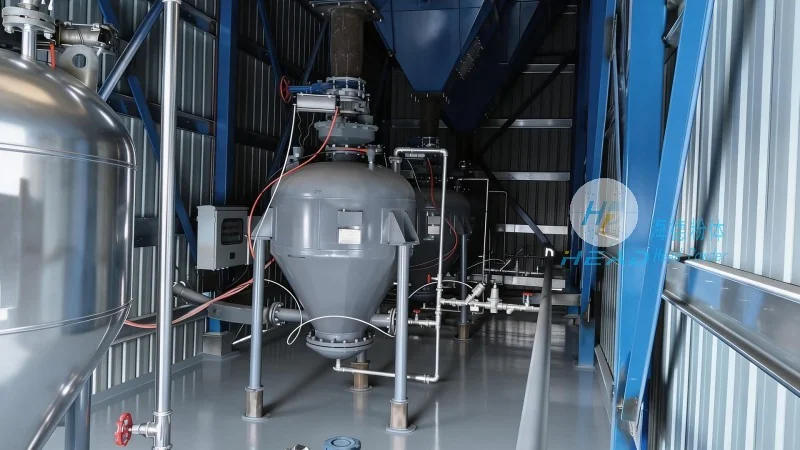
The Working Principle of Pneumatic Conveying for Baking Soda
The core of the process is the creation of a pressure differential that propels the baking soda particles. In a typical system, the powder is introduced into a hopper or feeder, where it is then drawn into a pipeline by a vacuum or pressure source. The air flow is carefully controlled to ensure that the particles are carried along without settling or clogging the line. The velocity of the air and the size of the particles are key factors in determining the efficiency and reliability of the conveying system. For baking soda, which has a relatively low bulk density and can be prone to static electricity, specialized equipment such as electrostatic discharge (ESD) control devices may be employed to prevent material buildup and ensure smooth operation.
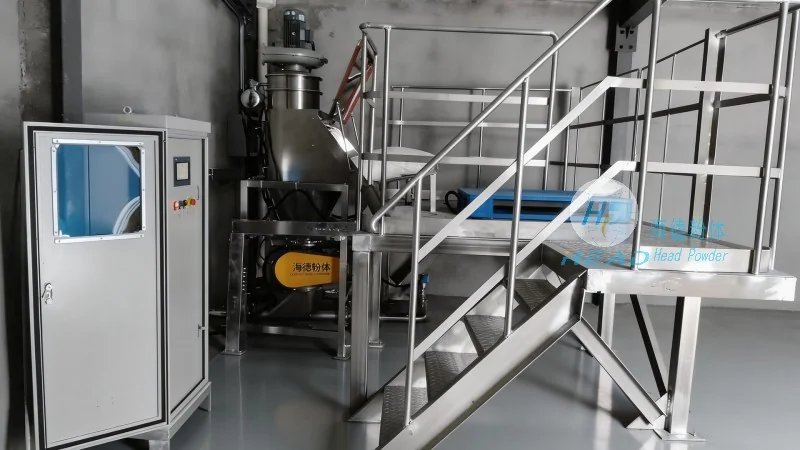
Key Features and Advantages in Practical Applications
In real-world scenarios, the use of pneumatic conveying for powdered baking soda offers several distinct benefits. First, it minimizes the risk of cross-contamination, which is essential in industries like food processing where product purity is paramount. Second, the system can be integrated seamlessly with other processing equipment, such as mixers, blenders, or packaging machines, allowing for a continuous production line. Third, the compact design of pneumatic conveying systems reduces the footprint required for material handling, making them suitable for facilities with limited space. Additionally, the ability to handle varying particle sizes and moisture content makes this method versatile for different baking soda formulations.
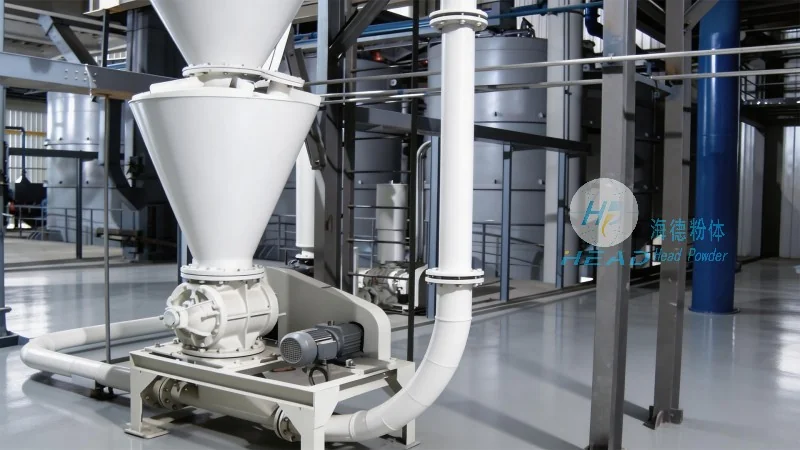
Common Application Scenarios
The application of pneumatic conveying for baking soda spans multiple sectors, each with unique requirements. In the food industry, for example, baking soda is often used as a leavening agent in baking. The conveying system can transport the powder directly from storage to mixing tanks or ovens, ensuring consistent dosing and reducing manual handling. In the chemical industry, baking soda may be used as a buffering agent or in water treatment processes. Here, the pneumatic system can deliver the powder to reactors or treatment tanks, maintaining precise control over the dosage. Similarly, in pharmaceutical manufacturing, where baking soda is used as an excipient or in certain formulations, the system ensures that the powder is delivered under sterile conditions, minimizing the risk of contamination.
Technical Considerations for Optimal Performance
To achieve optimal performance in pneumatic conveying systems for baking soda, several technical factors must be considered. The choice of air velocity is critical; too low, and the powder may settle in the line, leading to blockages. Too high, and energy consumption increases, potentially causing wear on components. The system's design, including the size of the hopper, the type of feeder (e.g., rotary or vibratory), and the pipeline diameter, all impact the efficiency of the process. Furthermore, the material of construction is important, as baking soda can be abrasive and may cause corrosion over time. Stainless steel or specialized coatings are often used to prevent wear and maintain product integrity.
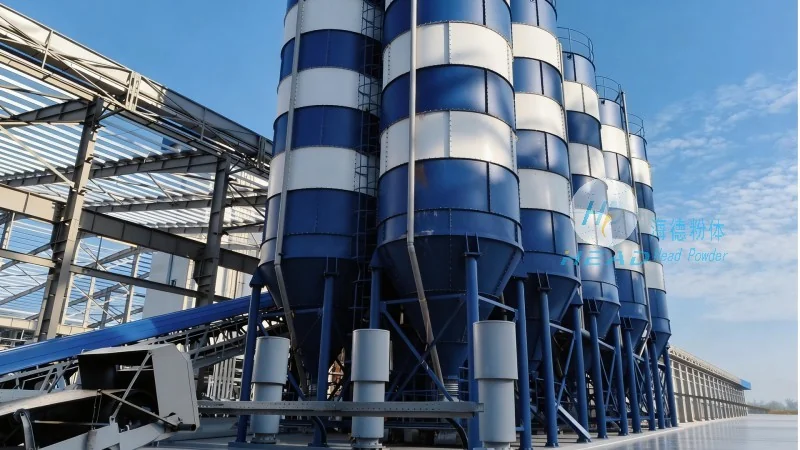
Conclusion and Company Overview
Pneumatic conveying of powdered baking soda is a reliable and efficient method for handling this versatile material, offering significant advantages in terms of hygiene, flexibility, and integration with other industrial processes. As a leading provider in this field, Shandong HeadPowder Engineering Co., Ltd., based in Shandong, China, specializes in designing and manufacturing customized pneumatic conveying systems tailored to the specific needs of clients. With years of experience and a commitment to quality, the company ensures that its systems meet the highest standards for performance and safety, supporting industries worldwide in their production and processing of baking soda.




