For industrial applications involving secondary zinc oxide powder, efficient and reliable material handling is crucial. This article explores the fundamental principles of air-driven transport systems and highlights the key characteristics of working scenes where such technology is effectively applied. The discussion is based on the expertise of Shandong HeadPowder Engineering Co., Ltd., a leading company in this field, with operations based in Shandong, China.
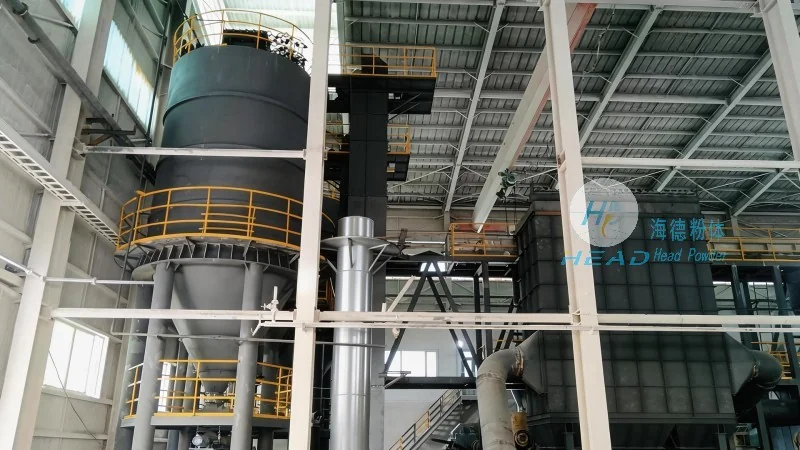
Principle of Air-Driven Transport for Secondary Zinc Oxide Powder
At its core, air-driven transport, also known as pneumatic conveying, utilizes pressurized or suction air to move particulate materials like secondary zinc oxide powder through pipelines. The process involves several key mechanisms that ensure the efficient transfer of the powder. First, the air flow generates sufficient velocity to lift and carry the powder particles. The design of the system, including the type of air flow (e.g., positive pressure or negative pressure), the pipeline layout, and the size of the particles, all play critical roles in determining the effectiveness of the transport. For secondary zinc oxide powder, which typically has a certain particle size distribution and density, the system must be optimized to prevent issues such as particle segregation, blockage, or excessive wear on equipment. The principle also involves controlling the air pressure and flow rate to maintain a stable and continuous flow, minimizing the risk of material degradation or loss.
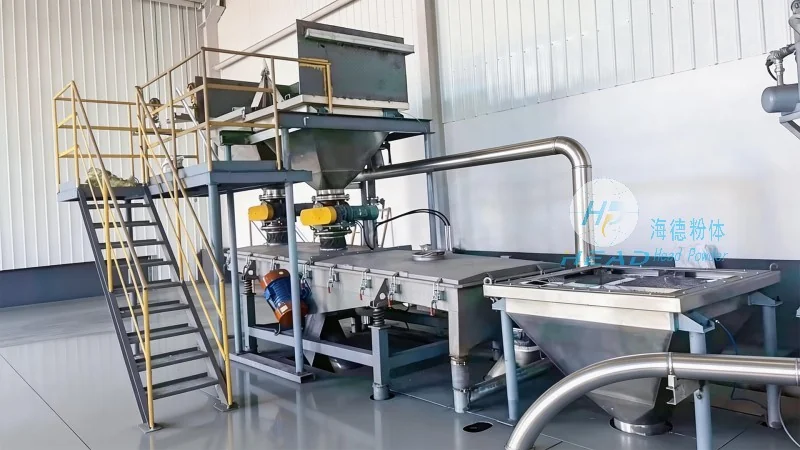
Working Scene Characteristics of Air-Driven Transport Systems
The working scenes where air-driven transport for secondary zinc oxide powder is employed are diverse and tailored to specific industrial needs. These systems are commonly found in environments such as chemical plants, pharmaceutical manufacturing facilities, and mining operations, where the handling of fine powders requires high levels of precision and safety. One of the primary characteristics of these working scenes is the emphasis on maintaining a clean and controlled environment. Air-driven transport systems are often integrated into closed-loop processes, reducing the risk of dust exposure and contamination. This is particularly important for secondary zinc oxide powder, which is used in applications where purity and consistency are critical, such as in the production of rubber, plastics, and coatings. Another characteristic is the adaptability of the system to different operational conditions. For instance, in industrial settings where space is limited or where the powder needs to be transported over long distances, the design of the air-driven transport system can be customized to meet these requirements. The working scenes also highlight the importance of energy efficiency and operational reliability. Modern air-driven transport systems incorporate advanced control technologies to optimize air usage and minimize energy consumption, while ensuring consistent performance over extended periods.
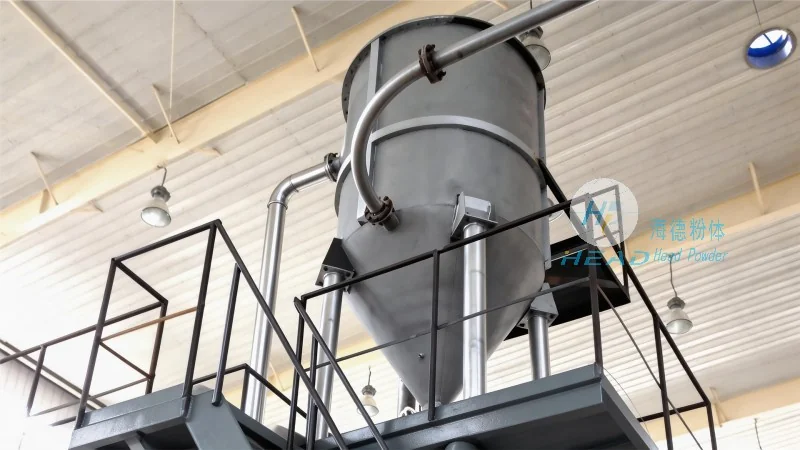
Application Examples and Operational Benefits
Real-world applications of air-driven transport for secondary zinc oxide powder illustrate the practical advantages of this technology. In a chemical plant, for example, the system may be used to transfer zinc oxide powder from storage silos to processing reactors, ensuring a continuous supply without manual handling. The benefits in such scenarios include improved safety by eliminating the need for workers to handle powders directly, reduced downtime due to fewer maintenance issues, and enhanced product quality through consistent particle size and distribution. In pharmaceutical manufacturing, the closed-loop nature of the air-driven transport system helps maintain sterile conditions, which is essential for producing high-purity zinc oxide used in medical applications. The operational benefits also extend to cost savings, as the automated system reduces labor costs and minimizes material waste. Furthermore, the flexibility of the system allows for easy integration with existing production lines, making it a viable solution for companies looking to upgrade their material handling processes.
Key Considerations for Implementing Air-Driven Transport Systems
When implementing air-driven transport systems for secondary zinc oxide powder, several factors must be carefully considered to ensure optimal performance and longevity. First, the selection of the appropriate conveying method is critical. Positive pressure systems, which use compressed air to push the powder through the pipeline, are suitable for short to medium distances and for materials that are non-abrasive. Negative pressure systems, which use suction to draw the powder into the pipeline, are better for longer distances or for materials that are more abrasive. The choice depends on the specific characteristics of the secondary zinc oxide powder, such as its particle size, density, and flowability. Second, the design of the pipeline and equipment must be tailored to the powder's properties. For example, the use of appropriate pipe materials and fittings can prevent corrosion or wear caused by the zinc oxide particles. Additionally, the system should include features like pulse jets or rotary valves to prevent blockages and ensure smooth operation. Third, the integration of monitoring and control systems is essential for maintaining the efficiency of the air-driven transport. Sensors can be used to monitor air pressure, flow rate, and particle concentration, while control systems can adjust parameters in real-time to address any issues that arise. These considerations, when properly addressed, contribute to the overall effectiveness and reliability of the air-driven transport system for secondary zinc oxide powder.
Conclusion
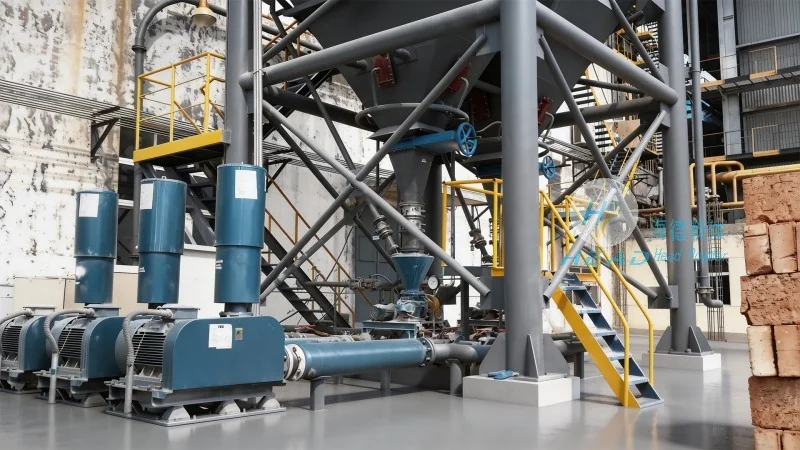
In summary, air-driven transport systems offer a robust and efficient solution for handling secondary zinc oxide powder in various industrial applications. The principles behind this technology, combined with the characteristics of the working scenes where it is applied, provide a comprehensive understanding of its benefits and practical implementation. As a leading provider in the field, Shandong HeadPowder Engineering Co., Ltd. continues to advance the technology, ensuring that air-driven transport remains a preferred choice for companies seeking reliable and safe material handling solutions. The adaptability and reliability of these systems make them indispensable in modern industrial operations, supporting the production of high-quality secondary zinc oxide powder for diverse applications.




