HeadPowder, a leading provider in the field of material handling solutions, specializes in advanced pneumatic conveying systems for powdered mortar applications. This article explores the fundamental principles behind powder pneumatic conveying and highlights the key characteristics of its working scenes, offering insights into how these technologies enhance operational efficiency and reliability in the construction materials industry.
Introduction to Pneumatic Conveying in Powdered Mortar Industry
HeadPowder Engineering Co., Ltd., headquartered in Shandong, China, has been at the forefront of developing innovative solutions for the efficient transport of dry powders, particularly in the production and distribution of powdered mortar. Pneumatic conveying, as a core technology, enables the movement of bulk powders like cement, sand, and additives through a pipeline using pressurized air or vacuum. This method offers significant advantages over traditional mechanical conveying systems, such as reduced maintenance costs, lower energy consumption, and enhanced safety in handling fine powders.
Principle of Powder Pneumatic Conveying
The fundamental principle of pneumatic conveying for powdered mortar involves the use of a conveying medium—typically air—to transport the powder particles through a closed pipeline system. There are two primary modes of pneumatic conveying: pressure and vacuum. In pressure systems, compressed air is introduced at the inlet, pushing the powder forward through the pipeline. Vacuum systems, on the other hand, create a negative pressure at the discharge end, drawing the powder into the pipeline. The choice between these modes depends on factors like the distance of transport, the volume of material, and the specific characteristics of the powder being handled.
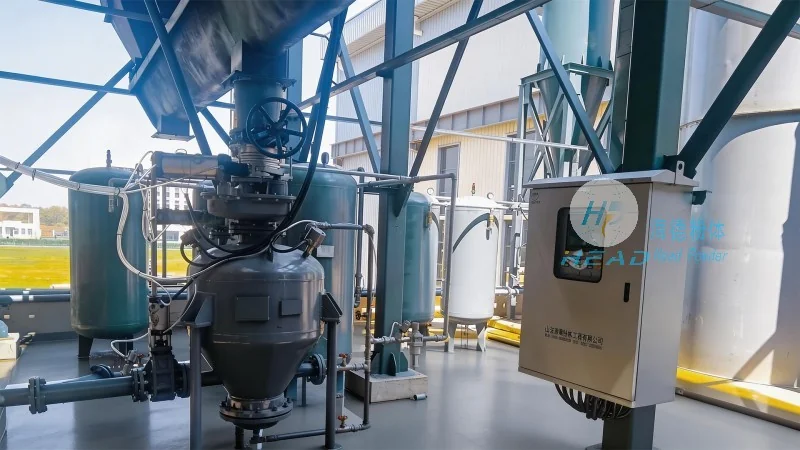
Key components of a pneumatic conveying system include the hopper (for material storage and feeding), the conveyor line (the pipeline itself), the air compressor or vacuum pump (for generating the conveying pressure), and the control valves (for regulating flow and pressure). The efficiency of the system is heavily influenced by the design of these components, particularly the hopper, which must prevent material bridging and ensure consistent feeding. Properly designed hoppers with appropriate discharge mechanisms, such as rotary valves or star feeders, are critical to maintaining a stable flow of powder into the conveyor line.
Working Scene Characteristics of Pneumatic Conveying Systems
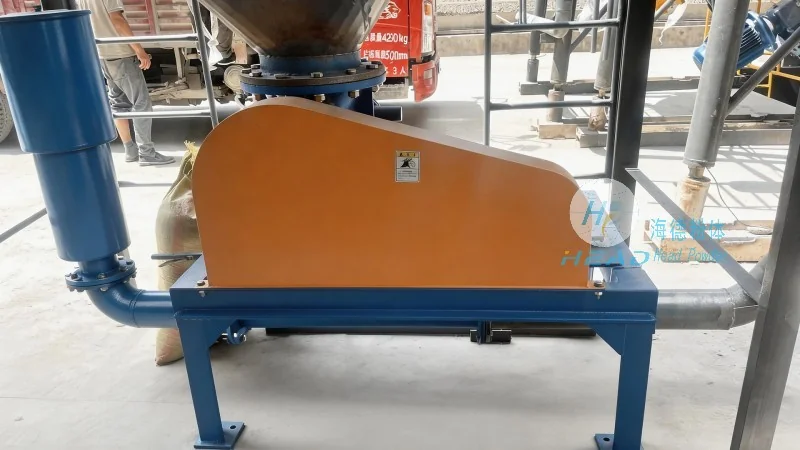
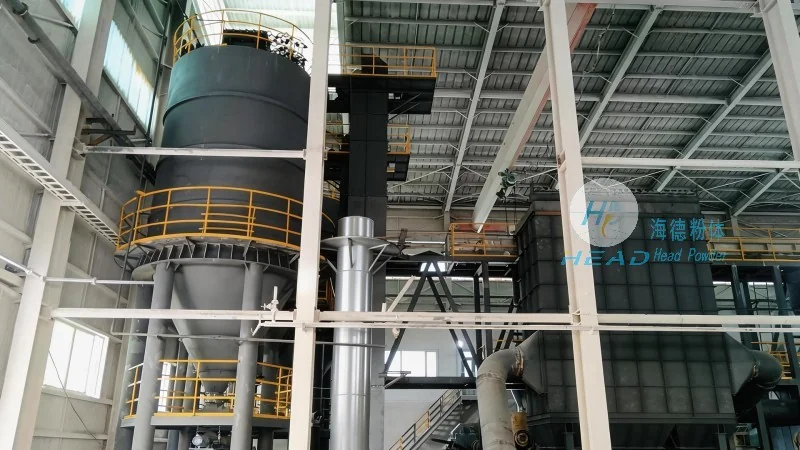
The working scenes of pneumatic conveying systems for powdered mortar vary based on the application and operational scale. In industrial settings, such as large-scale mortar production facilities, the systems are often designed for high-capacity, continuous operation. These systems may involve multiple pipelines and complex networks to distribute the powder to various processing units, such as mixing plants or storage silos. The characteristics of these working scenes include high throughput rates, often ranging from several tons per hour to tens of tons per hour, and the need for precise control over flow rates to maintain consistent product quality.
In contrast, smaller-scale applications, such as in construction sites or on-site mixing operations, may utilize portable or semi-portable pneumatic conveying systems. These systems are designed for flexibility and ease of use, allowing for the transport of mortar powders from storage silos to mixing equipment or directly to the construction site. The working scene characteristics in these cases include lower throughput requirements, often in the range of a few hundred kilograms per hour, and the need for compact, mobile equipment that can be easily installed and operated in various locations.
Advantages and Challenges in Pneumatic Conveying for Powdered Mortar
One of the primary advantages of pneumatic conveying systems is their ability to handle fine and abrasive powders without causing excessive wear or degradation to the material. This is particularly important in the mortar industry, where the quality of the powder directly impacts the final product's performance. Additionally, pneumatic conveying systems offer improved safety by eliminating the need for manual handling of powders, reducing the risk of dust explosions and occupational health hazards. The systems also provide better environmental control, as they can be equipped with dust collection and filtration systems to minimize emissions and maintain clean working conditions.
However, pneumatic conveying also presents certain challenges. One of the main issues is the potential for material degradation due to friction and abrasion within the pipeline, especially with high-speed systems. This can lead to the breakdown of agglomerates or the formation of dust, affecting the quality of the mortar. Another challenge is the need for proper maintenance and monitoring of the system components, particularly the air compressor and pipeline, to prevent leaks or blockages that could disrupt operation. HeadPowder addresses these challenges through the use of high-quality materials, such as stainless steel or corrosion-resistant alloys, and advanced control systems that monitor pressure, flow, and temperature in real-time.
Conclusion and Application Outlook
HeadPowder Engineering Co., Ltd. continues to innovate in the development of pneumatic conveying technologies tailored to the specific needs of the powdered mortar industry. By leveraging advanced engineering principles and materials, the company ensures that its systems deliver reliable, efficient, and safe performance in diverse working scenes. As the demand for high-quality mortar products grows, the importance of efficient powder handling systems will only increase, making pneumatic conveying a critical component in modern construction material production and distribution. With its headquarters in Shandong, China, HeadPowder remains committed to providing cutting-edge solutions that enhance productivity and sustainability in the industry.




