Understanding the operation of a sodium hypochlorite powder pneumatic conveying system is crucial for industries that rely on efficient and safe material handling. This system utilizes air to transport sodium hypochlorite powder, a widely used chemical in water treatment, disinfection, and other industrial processes. The core principle involves creating a pressure differential to move the powder through a pipeline, ensuring minimal dust generation and maintaining product integrity.
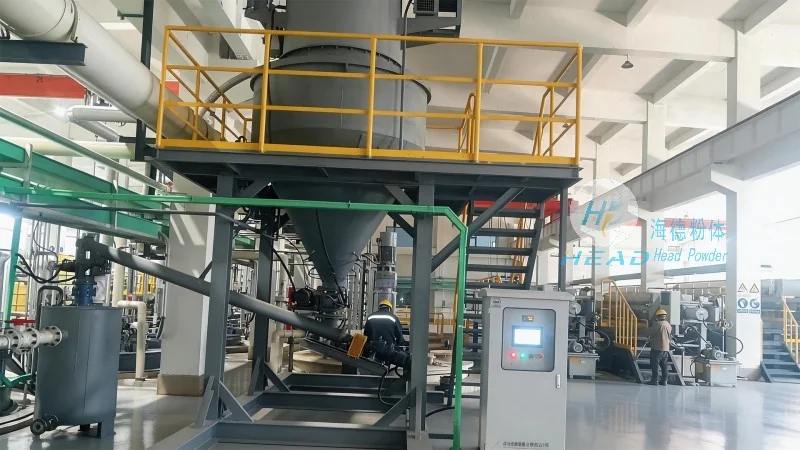
Principle of the Sodium Hypochlorite Powder Pneumatic Conveying System
The pneumatic conveying system operates on the principle of air movement to transport bulk materials. In the case of sodium hypochlorite powder, the system typically employs a positive pressure or negative pressure (or a combination of both) method. The positive pressure system uses a blower to force air through the conveying line, carrying the powder particles. The negative pressure system, also known as a vacuum system, draws air and powder from the source and transports them to the destination. The choice between these methods depends on factors such as the distance, volume, and the nature of the powder. For sodium hypochlorite, which is a hygroscopic and potentially corrosive material, the system design must consider material compatibility and corrosion resistance. Components like the hopper, feeder, and pipeline are often made from materials such as stainless steel to prevent degradation from the chemical.
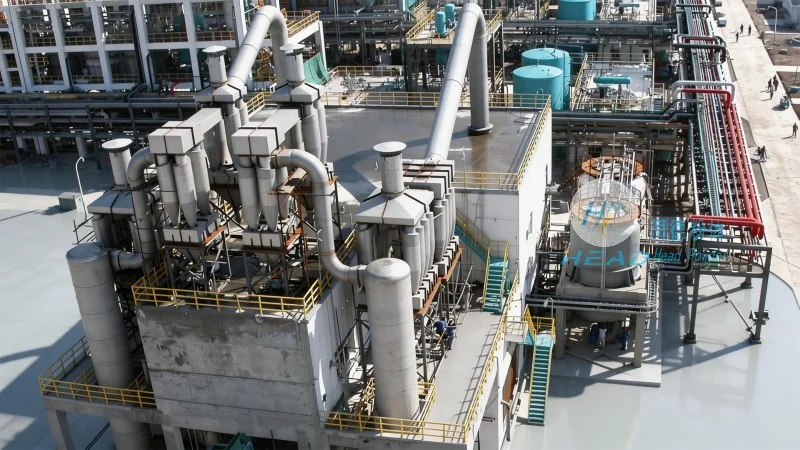
Key Components and Their Functions
The sodium hypochlorite powder pneumatic conveying system consists of several critical components, each playing a vital role in the overall operation. The primary components include the material hopper, which stores the sodium hypochlorite powder; the feeder, which controls the flow rate of the powder into the conveying line; the air compressor or vacuum pump, which provides the necessary air pressure or vacuum; the conveying pipeline, which transports the powder and air mixture; and the receiver or destination vessel, where the powder is deposited. The hopper is designed with a smooth interior to prevent powder buildup and caking, which could affect the flow rate. The feeder, often a rotary valve or a screw feeder, ensures a consistent and controlled discharge of the powder. The air compressor or vacuum pump must be capable of handling the specific air volume and pressure required for the system, typically ranging from low to medium pressure depending on the application. The pipeline is usually made of flexible or rigid materials, with appropriate fittings and valves to control the flow direction and pressure. The receiver is equipped with a dust collection system to capture any fine particles that may escape during the conveying process, ensuring environmental compliance and product safety.
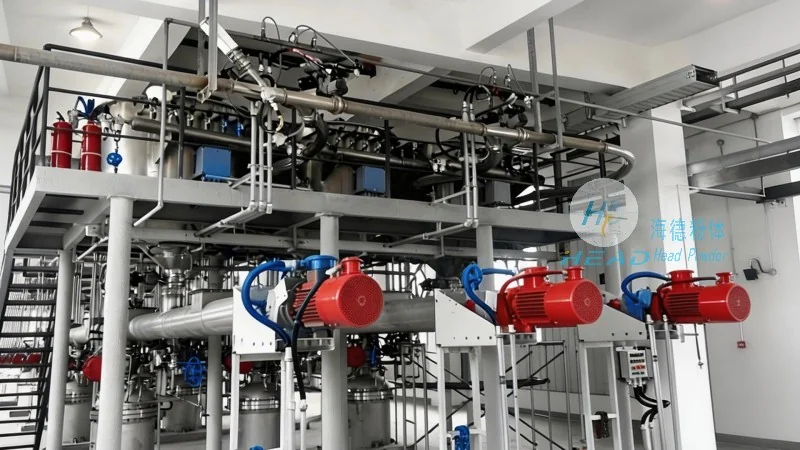
Application Characteristics and Operational Advantages
The application characteristics of the sodium hypochlorite powder pneumatic conveying system are tailored to meet the specific needs of industries that handle this chemical. One of the key advantages is the ability to transport the powder over long distances without the need for intermediate storage or manual handling. This reduces the risk of contamination and exposure to the chemical, which is important for worker safety. The system also minimizes dust generation, as the powder is enclosed within the pipeline, preventing airborne particles from spreading. This is particularly beneficial in environments where dust control is critical, such as in water treatment plants or industrial facilities. Another advantage is the flexibility of the system, which can be adapted to different production scales and operational requirements. The system can be designed for continuous or batch operation, depending on the production schedule. Additionally, the system can handle varying powder characteristics, such as different particle sizes and moisture content, by adjusting the air flow and pressure settings. This adaptability makes the system suitable for a wide range of applications, from small-scale laboratory use to large-scale industrial production.
Operational Considerations and Safety Measures
When operating a sodium hypochlorite powder pneumatic conveying system, several considerations and safety measures must be followed to ensure efficient and safe operation. First, the system must be designed to handle the chemical properties of sodium hypochlorite, including its corrosive nature and potential to react with certain materials. All components in contact with the powder and air must be made from compatible materials, such as stainless steel, to prevent corrosion and contamination. Regular maintenance is essential to ensure the system operates at optimal efficiency. This includes checking the air compressor or vacuum pump for proper performance, inspecting the pipeline for leaks or blockages, and cleaning the hopper and receiver to prevent caking or buildup. Safety measures are also critical, as sodium hypochlorite is a hazardous chemical. Proper personal protective equipment (PPE) must be used by operators, including gloves, goggles, and respirators, to prevent skin contact and inhalation of dust. The system should also be equipped with emergency shut-off valves and pressure relief devices to prevent over-pressurization or other safety hazards. Additionally, the system should be installed in a well-ventilated area to minimize the accumulation of fumes or dust, and regular monitoring of air quality should be conducted to ensure compliance with environmental regulations.
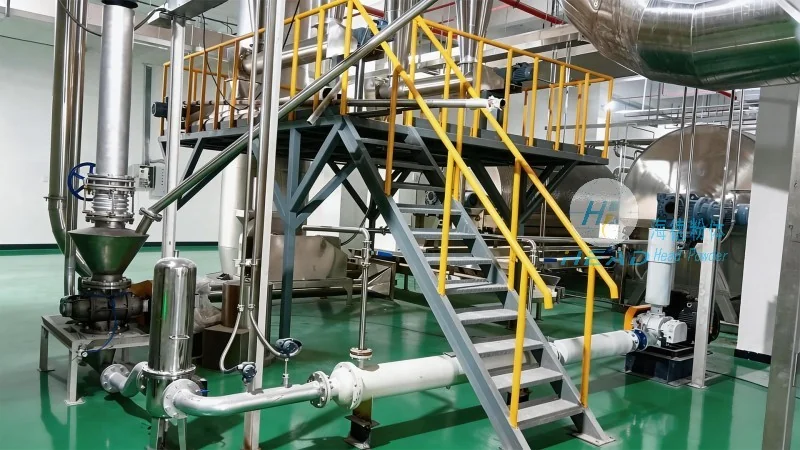
Conclusion
The sodium hypochlorite powder pneumatic conveying system is an efficient and reliable method for transporting this critical chemical in various industrial applications. By understanding the principle of operation and the key components involved, industries can optimize their material handling processes, improve safety, and enhance overall productivity. The system's ability to minimize dust generation, handle long distances, and adapt to different powder characteristics makes it a preferred choice for many applications. With proper design, maintenance, and safety measures, the system can provide long-term benefits and ensure the safe and effective handling of sodium hypochlorite powder.




