Desulfurization and dust removal fly ash is a byproduct generated during the flue gas treatment process in thermal power plants and other industrial facilities. The efficient handling of this fine powder is crucial for maintaining operational efficiency and environmental compliance. Pneumatic conveying systems offer a reliable solution for transporting these powders over long distances or within complex industrial layouts. The core principle of such a system involves the use of compressed air or other gas to create a flow that propels the ash particles through a pipeline network. This method eliminates the need for mechanical components like belts or buckets, reducing maintenance requirements and operational costs.
System Components and Working Process
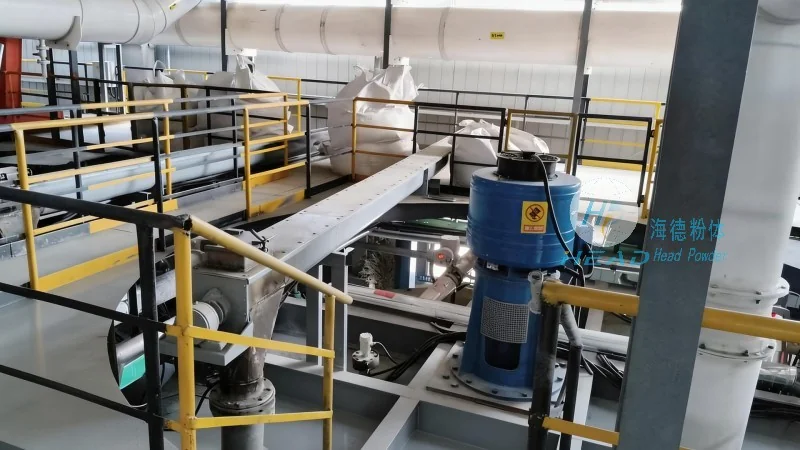
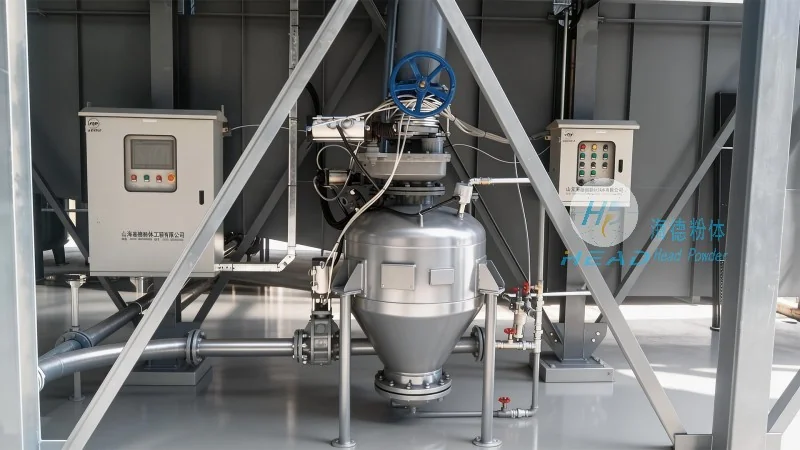
The pneumatic conveying system for fly ash typically consists of several key components, including a material hopper, a rotary valve (for feeding the ash), a compressor (to generate the conveying air), a pipeline network, and a receiver or discharge point. The process begins with the ash being fed from the hopper into the pipeline via the rotary valve. Simultaneously, the compressor supplies high-pressure air into the pipeline. The air and ash mixture travels through the pipeline, with the air providing the necessary kinetic energy to move the particles. The system can operate in either positive or negative pressure modes, depending on the application requirements. Positive pressure systems are often used for short-distance or horizontal/vertical transport, while negative pressure systems are suitable for long-distance or dusty environments, as they help contain dust emissions.
Working Scene Characteristics
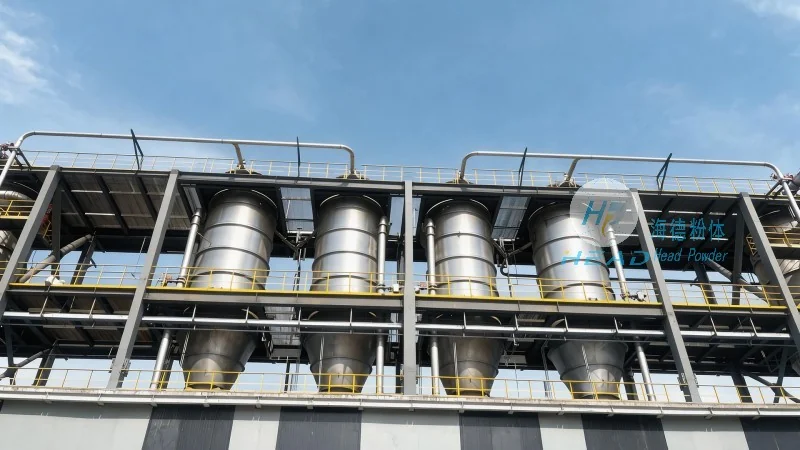
The application of pneumatic conveying systems for desulfurization and dust removal fly ash is characterized by several key features that make them ideal for specific industrial settings. Firstly, the system's ability to handle fine, abrasive powders without causing wear and tear on components is a significant advantage. The design of the pipeline and components, such as the use of corrosion-resistant materials and smooth internal surfaces, ensures long-term durability in environments where the ash may contain acidic or corrosive components from the flue gas treatment process. Secondly, the system's flexibility in terms of layout is notable. It can be configured to accommodate complex plant layouts, including vertical lifts, horizontal runs, and curved sections, allowing for the integration of the conveying system with existing infrastructure without major modifications. Thirdly, the system's environmental benefits are prominent. By containing the ash within a sealed pipeline, it minimizes dust emissions, which is critical for maintaining air quality and complying with environmental regulations. This sealed system also reduces the risk of ash contamination in the surrounding environment, protecting both personnel and equipment.
About Shandong HeadPowder Engineering Co., Ltd.
Shandong HeadPowder Engineering Co., Ltd., a leading provider of engineering solutions for industrial powder handling, specializes in the design, manufacturing, and installation of pneumatic conveying systems tailored to the needs of power plants and other industrial facilities. With a focus on innovation and reliability, the company has developed advanced systems that address the unique challenges of transporting desulfurization and dust removal fly ash. HeadPowder's expertise lies in understanding the specific properties of fly ash, such as its fineness, moisture content, and abrasive nature, and designing systems that optimize performance while minimizing operational costs. The company's facilities are located in Shandong, China, where it leverages local resources and expertise to deliver high-quality solutions to clients worldwide.




