HeadPowder, a leading manufacturer based in Shandong, China, specializes in the design and production of advanced pneumatic conveying systems tailored for handling gelatin powder. This article delves into the fundamental principles behind these systems and highlights the key characteristics of their operational environments, providing insights into how such equipment enhances efficiency and reliability in industrial applications.
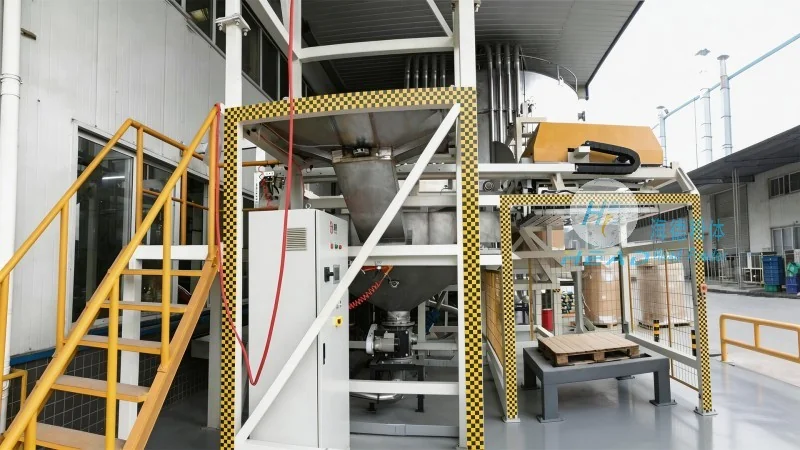
The Core Principle of Pneumatic Conveying for Gelatin Powder
The pneumatic conveying system for gelatin powder operates on the principle of transporting dry powder materials through a pipeline using a pressurized or vacuum air stream. Unlike traditional mechanical conveying methods, this technology eliminates the need for moving parts in the conveying line, reducing maintenance requirements and minimizing the risk of product contamination. The system typically consists of a hopper for material storage, a conveying line, a control valve, and a dust collector. As gelatin powder is fed into the hopper, the air stream is introduced, creating a flow that carries the powder particles through the pipeline to the destination point. This process ensures a continuous and controlled transfer of the material, which is crucial for maintaining product quality and consistency.
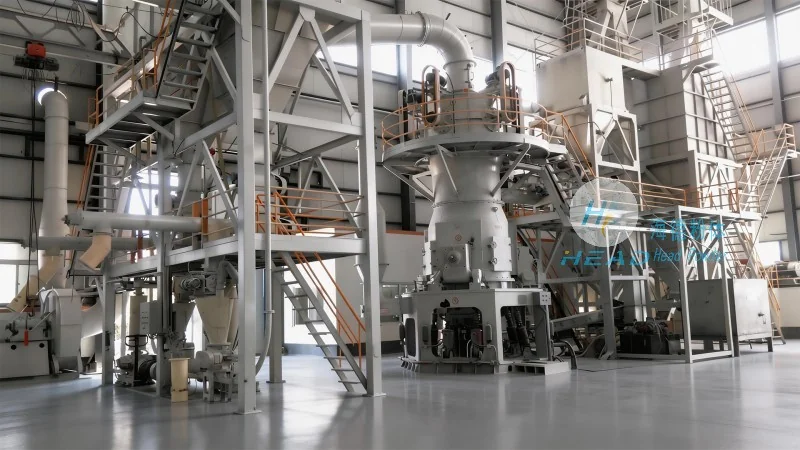
Key Working Scene Characteristics
The operational environment of gelatin powder pneumatic conveying equipment is characterized by several critical factors that influence its performance and effectiveness. First, the system is designed to handle fine, cohesive powders like gelatin, which can be prone to caking or agglomeration. The equipment incorporates features such as air agitation and pressure control to prevent blockages and ensure smooth material flow. Second, the working scene often involves high hygiene standards, as gelatin is commonly used in food and pharmaceutical industries. The materials used in the construction of the conveying system, including stainless steel and food-grade components, are selected to meet stringent sanitary requirements, ensuring that the product remains free from contaminants throughout the transfer process. Third, the system's flexibility allows it to adapt to various production scales, from small-scale laboratory applications to large industrial manufacturing lines. This adaptability makes it suitable for both research and development and mass production environments, providing versatility in different working scenarios.
Application Scenarios and Industry Benefits
Gelatin powder pneumatic conveying equipment is widely utilized in industries where precise and hygienic material handling is essential. In the food industry, it is commonly employed in the production of gelatin-based products, such as gummy candies, jellies, and dietary supplements. The system ensures that gelatin powder is transferred without any loss or degradation, maintaining the product's quality and flavor. In the pharmaceutical sector, the equipment is used in the manufacturing of gelatin capsules and other dosage forms, where contamination control is paramount. The ability to handle fine powders with minimal particle breakage and the hygienic design of the system make it an ideal choice for pharmaceutical applications. Additionally, in the chemical and cosmetic industries, the system aids in the efficient transfer of gelatin-based ingredients used in the formulation of creams, lotions, and other personal care products. The consistent and controlled flow of material enhances production efficiency and reduces downtime, contributing to overall operational cost savings.
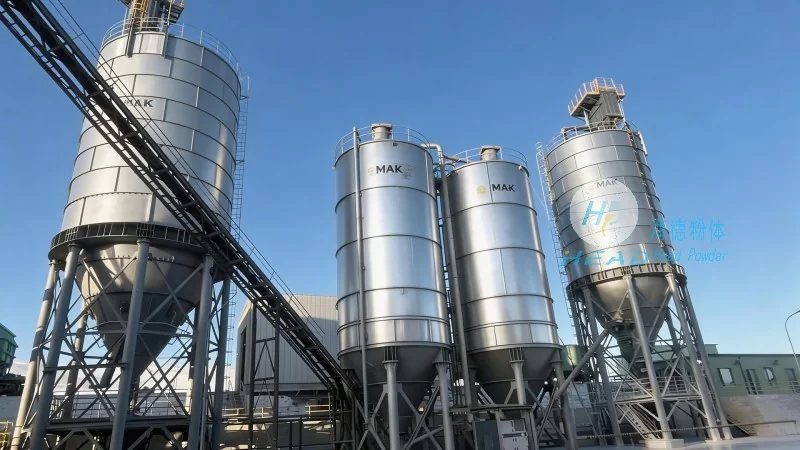
Advantages of Using Gelatin Powder Pneumatic Conveying Systems
Implementing pneumatic conveying systems for gelatin powder offers several advantages over traditional conveying methods. One of the primary benefits is the reduction in labor costs, as the system automates the material transfer process, minimizing the need for manual handling. This not only improves safety in the workplace but also increases productivity. Another advantage is the enhanced product quality, as the system prevents contamination and maintains the integrity of the gelatin powder. The absence of mechanical parts reduces the risk of product damage, ensuring that the final product meets the required specifications. Furthermore, the system's energy efficiency is notable, as it uses compressed air to transport the material, which can be more economical than other methods that rely on mechanical components. The compact design of the equipment also allows for easier integration into existing production lines, without requiring significant modifications to the facility. Overall, the use of pneumatic conveying systems for gelatin powder provides a reliable and efficient solution for industrial material handling, aligning with the needs of modern manufacturing environments.




