Shandong HeadPowder Engineering Co., Ltd., a leading manufacturer based in Shandong, China, specializes in the design and production of advanced pneumatic conveying systems tailored for handling tungsten carbide powders. Tungsten carbide is a high-performance material widely used in various industrial applications, including tool manufacturing, wear-resistant components, and aerospace parts. The efficient and reliable transport of tungsten carbide powders is crucial for maintaining product quality and operational efficiency in production lines. This article explores the fundamental principles behind the operation of such equipment and highlights the key characteristics of its working environments.
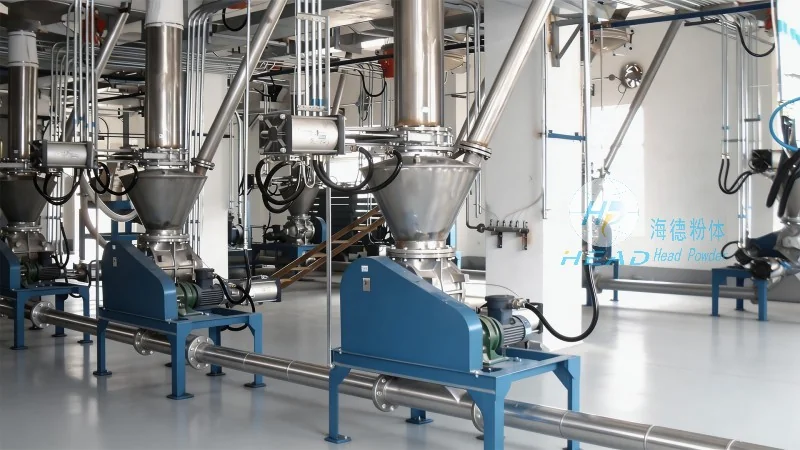
The Working Principle of Pneumatic Conveying Systems for Tungsten Carbide Powders
The core mechanism of a pneumatic conveying system involves the use of compressed air or gas to transport particulate materials through a pipeline. In the case of tungsten carbide powders, which are typically fine and abrasive, specialized equipment is required to ensure minimal material degradation and system durability. The system generally consists of a hopper for material storage, a feeder to control the flow rate, a conveying line, and a receiver for the discharged material. The operation begins with the material being fed into the system, where it is then entrained by the air flow and carried through the pipeline. The design of the conveying line, including the angle and length, is critical to prevent material settling or blockages, especially with abrasive powders like tungsten carbide. The air velocity and pressure are carefully controlled to achieve optimal conveying efficiency while minimizing wear on the system components.
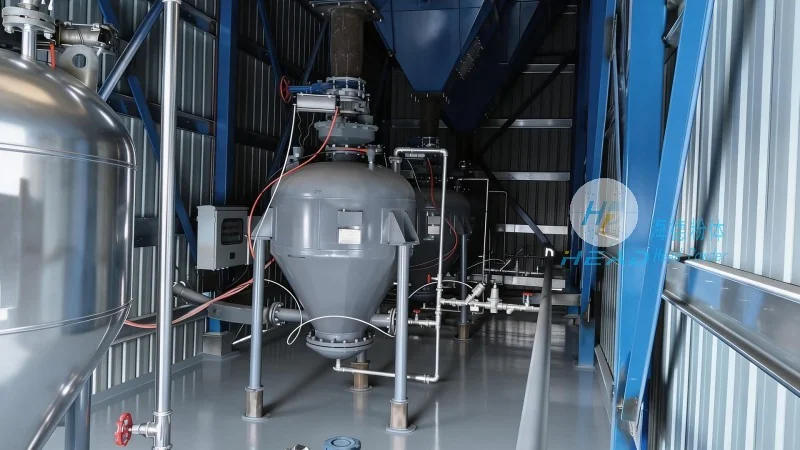
Key Working Scene Characteristics and Applications
The working scene characteristics of tungsten carbide powder pneumatic conveying equipment are tailored to meet the demands of specific industrial processes. These systems are commonly employed in environments where traditional bulk handling methods, such as belt conveyors or bucket elevators, may not be suitable due to the material's properties. For instance, in tool and die manufacturing, the equipment is used to transport fine tungsten carbide powders to mixing and sintering processes, ensuring consistent particle size distribution and preventing contamination. In the production of wear-resistant components, the system efficiently moves powders to coating and molding equipment, enhancing production throughput and reducing downtime. The equipment's ability to handle abrasive materials without excessive wear makes it ideal for high-volume manufacturing environments. Additionally, the enclosed design of the system helps maintain a clean and controlled environment, which is essential for maintaining the purity of tungsten carbide powders, especially when used in aerospace or medical applications.
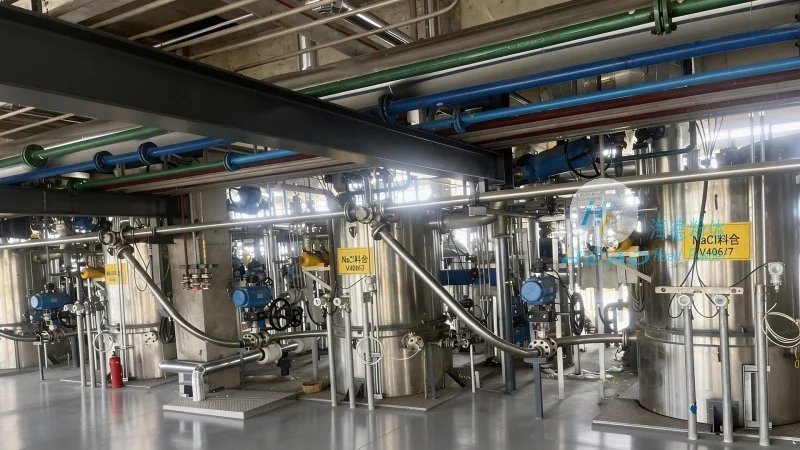
Advantages and Considerations in Industrial Settings
When integrating tungsten carbide powder pneumatic conveying equipment into industrial settings, several advantages and considerations must be taken into account. The primary benefit is the ability to transport materials in a dust-free manner, which improves workplace safety and reduces the risk of material contamination. This is particularly important for tungsten carbide powders, as even small amounts of impurities can significantly affect the final product's performance. Another key advantage is the system's flexibility, allowing for changes in material flow rates and conveying distances without major modifications. However, the equipment requires regular maintenance to ensure optimal performance, especially the wear parts such as the hopper and pipeline, due to the abrasive nature of tungsten carbide. Proper filtration and air purification systems are also essential to prevent dust accumulation and maintain air quality in the workspace. The cost of the initial investment and ongoing maintenance should be weighed against the long-term benefits of improved efficiency and product quality.




