Zinc oxide is a widely used material in various industrial applications, including pharmaceuticals, cosmetics, and chemical manufacturing. Efficient material handling is crucial for maintaining product quality and operational efficiency. Pneumatic conveying offers a reliable method for transporting zinc oxide, leveraging air to move the material through a system of pipes and equipment. This approach eliminates the need for mechanical components like belts or buckets, reducing maintenance and increasing safety in handling potentially hazardous materials.
Principles of Pneumatic Conveying
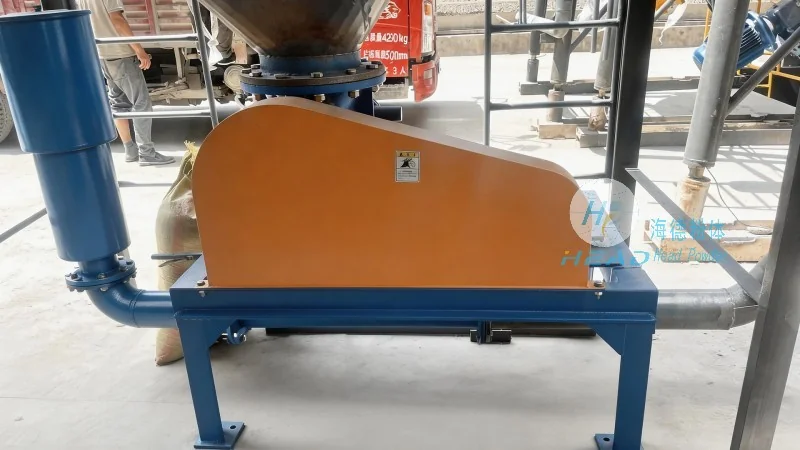
The core principle of pneumatic conveying involves using air to create a flow that transports the solid material. There are two main types of pneumatic conveying systems: dilute-phase and dense-phase. Dilute-phase systems use high velocities to keep the material suspended in the air, suitable for short distances and low material loads. Dense-phase systems, on the other hand, use lower velocities and higher air-to-material ratios to move the material in a more controlled manner, ideal for longer distances and higher material volumes. For zinc oxide, the choice of system depends on factors such as the material's properties, the distance to be covered, and the required flow rate.
Key Components of Pneumatic Conveying Systems
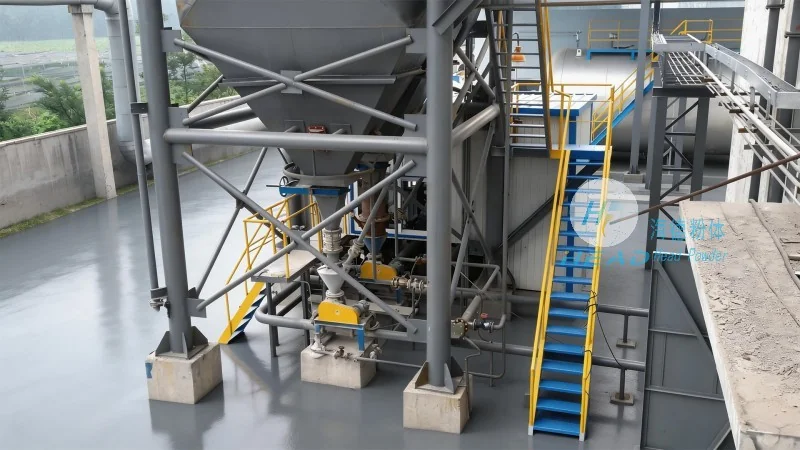
A typical pneumatic conveying system for zinc oxide includes several essential components. The material is first fed into a hopper or feeder, which controls the flow rate. A blower or compressor then generates the necessary air pressure to move the material. The air and material mixture travels through a pipeline network, which may include bends, valves, and filters to ensure smooth operation. At the destination, a receiver or silo collects the material, and a separator or cyclone separates the air from the material. For zinc oxide, which can be fine and potentially abrasive, components like high-quality metal pipes, wear-resistant liners, and efficient filters are critical to prevent clogging and maintain system performance.
Application Scenarios of Zinc Oxide Pneumatic Conveying
Zinc oxide is used in diverse industrial settings, and the pneumatic conveying system must adapt to these varied environments. In pharmaceutical manufacturing, for example, the system must meet stringent hygiene and contamination control standards. This requires sterile components, such as stainless steel pipes and filters, to ensure the material remains free from impurities. In the cosmetics industry, where zinc oxide is used in sunscreen and other products, the system must maintain the material's purity and prevent oxidation. The pneumatic conveying system in this context often includes dehumidification and temperature control to preserve the material's quality.
Operational Advantages of Pneumatic Conveying for Zinc Oxide
Implementing pneumatic conveying for zinc oxide offers several operational advantages. First, it eliminates the need for manual handling, reducing the risk of workplace injuries and exposure to dust. Second, the system is compact and can be integrated into existing production lines, saving space and reducing installation costs. Third, it provides consistent and controlled material flow, which is essential for maintaining product quality and process efficiency. Additionally, pneumatic conveying systems are relatively low-maintenance compared to mechanical systems, as they have fewer moving parts and are less prone to wear and tear.
Challenges and Solutions in Zinc Oxide Pneumatic Conveying
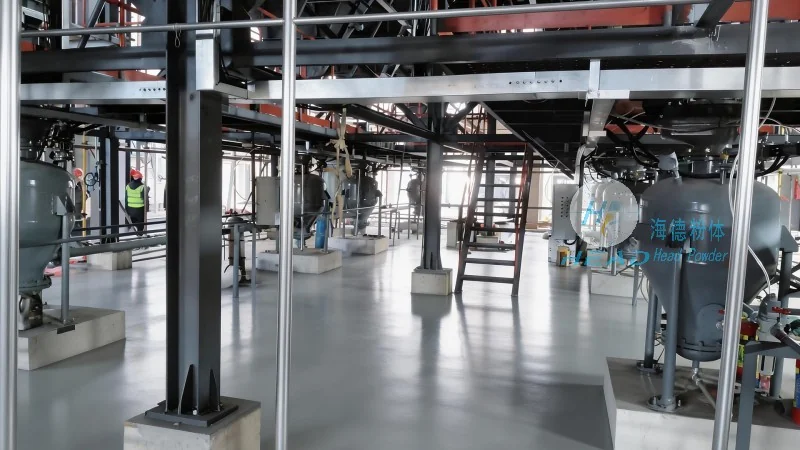
While pneumatic conveying offers many benefits, it also presents challenges, particularly with fine materials like zinc oxide. One common issue is clogging, which can occur due to the material's tendency to stick to pipe walls or form agglomerates. To address this, systems often include vibration devices or air knives to break up clumps and keep the material moving. Another challenge is the potential for dust generation, which can affect air quality and worker safety. Effective filtration systems and dust collection equipment are essential to mitigate these risks. Additionally, the abrasive nature of zinc oxide can cause wear on system components, requiring the use of wear-resistant materials and regular maintenance to extend the system's lifespan.
Case Study: HeadPowder's Pneumatic Conveying Solutions
Shandong HeadPowder Engineering Co., Ltd., a leading provider of material handling solutions, specializes in designing and manufacturing pneumatic conveying systems tailored to the needs of zinc oxide applications. With a focus on quality and efficiency, HeadPowder's systems are engineered to handle the unique properties of zinc oxide, ensuring reliable and safe material transport. The company's expertise lies in customizing systems to meet specific operational requirements, such as varying flow rates, distances, and environmental conditions. By leveraging advanced technology and materials, HeadPowder delivers solutions that enhance productivity and reduce operational costs for clients in the pharmaceutical, cosmetics, and chemical industries.




