Ammonium chloride, a widely used chemical compound in industrial applications, often requires efficient material handling solutions for safe and effective transportation. Pneumatic conveying emerges as a key technology for moving this material, offering advantages in terms of safety, flexibility, and operational efficiency. This article explores the fundamental principles behind ammonium chloride pneumatic conveying and highlights the specific working scene characteristics that define its application.
Core Principles of Pneumatic Conveying for Ammonium Chloride
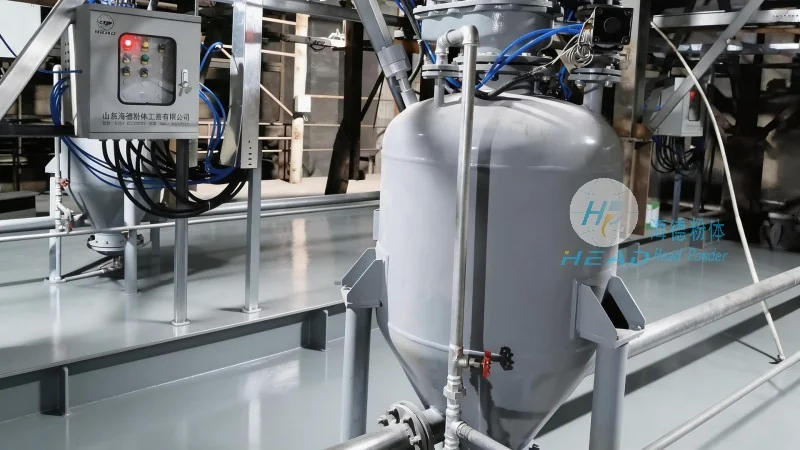
The principle of pneumatic conveying involves the use of air or gas to transport solid materials through a pipeline system. In the case of ammonium chloride, the process typically relies on positive pressure or negative pressure systems to move the material from a source to a destination. Positive pressure systems, such as pressure blowers or compressors, generate air pressure that pushes the material along the pipeline, while negative pressure systems, like vacuum pumps, create a suction effect to draw the material. The choice between these systems depends on factors like the material's properties, the distance of transport, and the required flow rate. For ammonium chloride, which is a fine, dry powder with moderate flowability, positive pressure systems are often preferred due to their ability to handle high volumes and maintain consistent material flow. The conveying process involves several key components: a material feeder to introduce the ammonium chloride into the pipeline, a conveying line to transport it, and a receiver to collect the material at the end of the system. The air velocity within the pipeline is critical; it must be sufficient to lift and transport the material without causing excessive wear on the equipment or creating dust emissions. Proper design of the conveying line, including the diameter, length, and bends, is essential to ensure stable and efficient transport. Additionally, the use of appropriate filters and cyclones may be necessary to separate the air from the material and prevent dust accumulation in the system.
Working Scene Characteristics of Ammonium Chloride Pneumatic Conveying
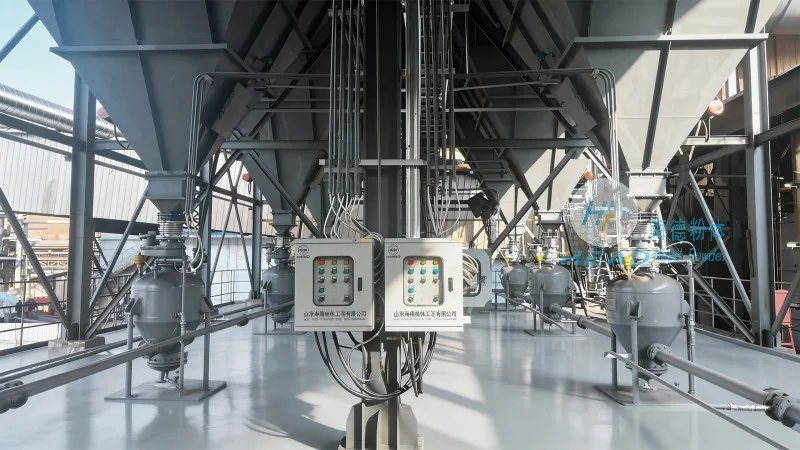
The working scene characteristics of ammonium chloride pneumatic conveying vary based on the specific industrial application and operational environment. In manufacturing facilities, for example, the system may be integrated into a production line where ammonium chloride is used as an ingredient in the production of fertilizers, pharmaceuticals, or other chemical products. The conveying system must be designed to handle the material's flow characteristics, which can be influenced by factors such as moisture content, particle size distribution, and bulk density. In such scenarios, the system may need to be equipped with features like automatic feeding mechanisms and real-time monitoring to ensure consistent material supply and prevent downtime. Another common working scene is in storage and distribution centers, where ammonium chloride is stored in bulk and needs to be transported to various locations within the facility or to external customers. The conveying system in this context may involve multiple pipelines and transfer points, requiring careful planning to optimize material flow and minimize handling time. The safety considerations in these working scenes are paramount, as ammonium chloride can be a irritant to the respiratory system and eyes. Therefore, the pneumatic conveying system must be designed with appropriate dust control measures, such as sealed containers and exhaust filtration, to protect both the equipment and personnel. Additionally, the system may need to comply with local regulations regarding the handling of hazardous materials, ensuring that all components are properly maintained and inspected regularly. The operational efficiency of the system is also a key characteristic in these working scenes, as the ability to transport ammonium chloride quickly and reliably can impact overall production throughput and customer satisfaction. In some cases, the system may be integrated with other equipment, such as mixers or reactors, to form a continuous production process, where the pneumatic conveying system acts as a critical link in the workflow. The flexibility of the system to adapt to different production rates and material types is another important characteristic, allowing it to be used in a variety of industrial settings.
Company Profile: Shandong HeadPowder Engineering Co., Ltd.
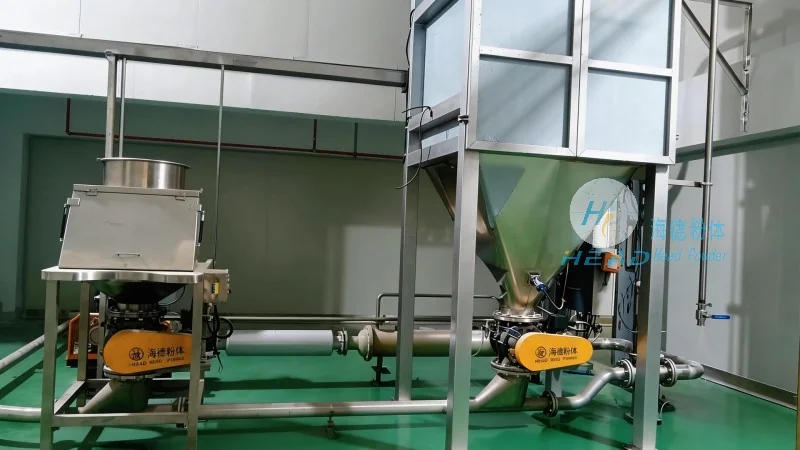
Shandong HeadPowder Engineering Co., Ltd., commonly known as headpowder, is a leading provider of pneumatic conveying solutions tailored for industrial applications, including the handling of ammonium chloride. With a strong focus on innovation and customer satisfaction, the company has developed a range of advanced systems designed to meet the specific needs of various industries. The company's expertise lies in the design, manufacturing, and installation of customized pneumatic conveying systems that ensure efficient and safe material transport. By leveraging years of experience in the field, headpowder has established itself as a trusted partner for businesses seeking reliable solutions for their material handling challenges. The company's facilities are located in Shandong, China, where it operates a state-of-the-art manufacturing and research center. This location allows the company to leverage local resources and expertise while maintaining high standards of quality and service. The team at headpowder consists of skilled engineers and technicians who are dedicated to providing comprehensive support to clients, from initial consultation and system design to installation and after-sales service. The company's commitment to quality is reflected in its adherence to international standards and rigorous testing procedures for all its products. By partnering with headpowder, businesses can benefit from tailored solutions that address their unique requirements, ensuring optimal performance and longevity of the pneumatic conveying system. The company's reputation for excellence and reliability has made it a preferred choice for many clients in the chemical, pharmaceutical, and food processing industries, where the safe and efficient handling of materials is critical.




