Pneumatic conveying technology has become an essential method for handling calcium phosphate materials in various industrial applications. This technology involves transporting bulk materials through a pipeline system using air or gas as the conveying medium. The process is widely adopted due to its efficiency, flexibility, and ability to handle materials with specific physical and chemical properties. In this article, we explore the fundamental principles behind pneumatic conveying for calcium phosphate materials and highlight the key characteristics of its working scenes, with a focus on the expertise of Shandong HeadPowder Engineering Co., Ltd. (HeadPowder).
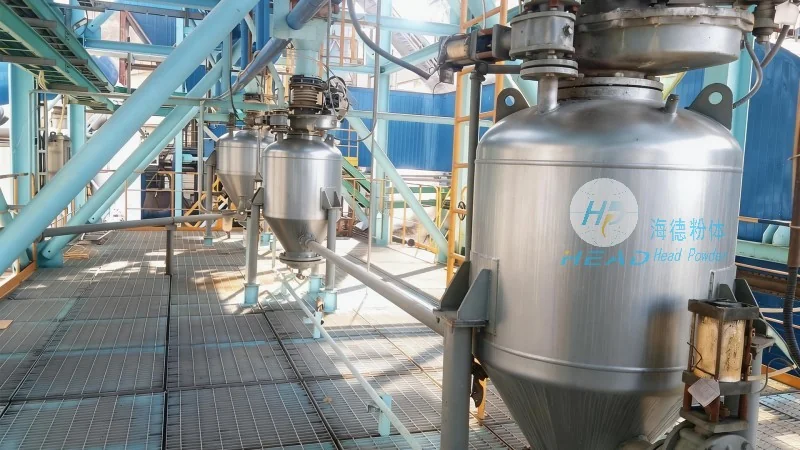
The Principle of Pneumatic Conveying for Calcium Phosphate
The core principle of pneumatic conveying for calcium phosphate materials revolves around the interaction between the material particles and the air flow within a closed pipeline system. There are two primary modes of pneumatic conveying: positive pressure and negative pressure. Positive pressure systems use a blower or compressor to generate air pressure that pushes the material through the pipeline, while negative pressure systems create a vacuum to draw the material into the system. For calcium phosphate, which often consists of fine or moderately sized particles with varying moisture content and abrasiveness, the choice of conveying mode depends on factors such as material characteristics, system layout, and operational requirements.
In the positive pressure mode, the air is introduced at the material inlet, creating a high-pressure environment that propels the particles forward. This method is particularly effective for handling dry calcium phosphate powders, as it minimizes material degradation and ensures consistent flow rates. The pipeline design, including the use of bends, elbows, and expansion joints, is critical to maintaining the integrity of the material and preventing blockages. For negative pressure systems, the vacuum is typically generated at the discharge end, drawing the material from the source and transporting it to the destination. This approach is often preferred for applications where dust control is a priority, as the sealed system reduces emissions and improves safety.
The conveying velocity is a critical parameter in pneumatic conveying. It must be sufficient to keep the material in suspension but not so high as to cause excessive wear on the equipment or excessive energy consumption. For calcium phosphate, which may have a tendency to agglomerate or stick to the pipeline walls, the velocity is carefully optimized to ensure smooth transport. The system also incorporates features such as air filtration and separation equipment to remove any fine particles or dust from the exhaust air, ensuring compliance with environmental regulations and maintaining product quality.
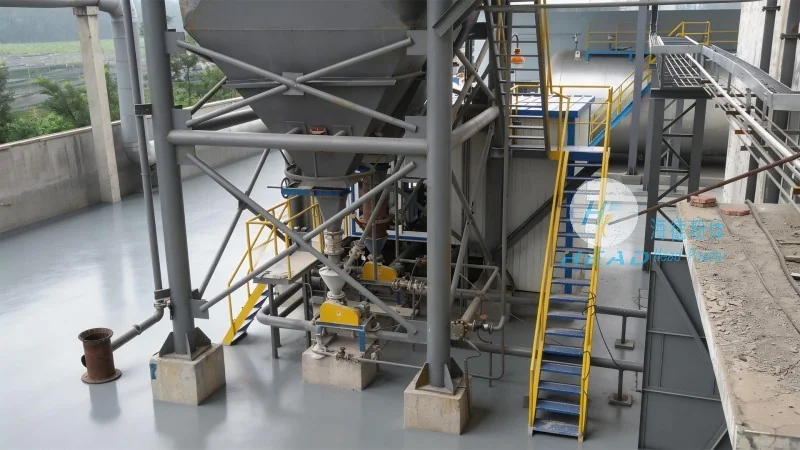
Working Scene Characteristics of Pneumatic Conveying for Calcium Phosphate
The working scenes where pneumatic conveying for calcium phosphate materials is applied vary widely, reflecting the diverse industrial uses of this compound. In the chemical industry, calcium phosphate is used as a raw material for fertilizers, food additives, and pharmaceuticals. Here, the conveying system is integrated into production lines, connecting storage silos to processing units or packaging equipment. The system must be designed to handle large volumes of material efficiently, with minimal downtime, and to maintain the purity of the product by preventing contamination from other materials or the environment.
In the agricultural sector, calcium phosphate is commonly used as a fertilizer or feed supplement. The working scene may involve a farm or a large-scale agricultural facility where the material is stored in bulk and then transported to application equipment such as spreaders or feeders. The pneumatic conveying system in this context needs to be robust and reliable, capable of operating in outdoor conditions and handling materials that may contain moisture or impurities. The system may also be integrated with weighing and mixing equipment to ensure accurate dosing of the fertilizer.
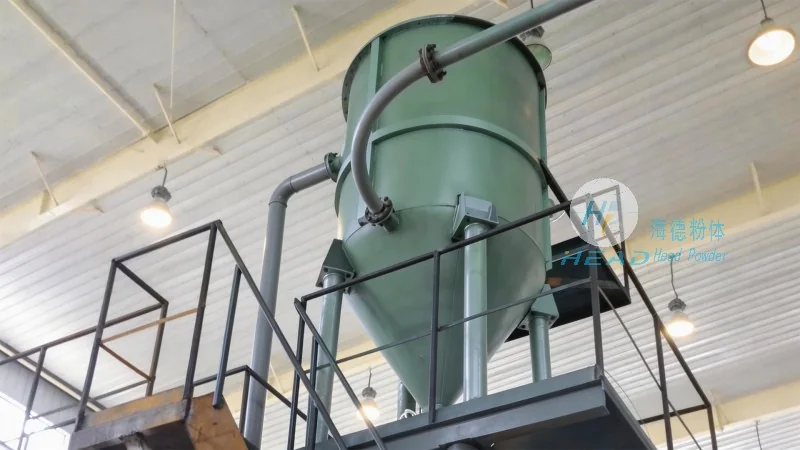
In the food and pharmaceutical industries, the handling of calcium phosphate requires stringent hygiene and safety standards. The working scene typically involves a cleanroom environment where the material is conveyed from storage to processing or packaging equipment. The system must be constructed from materials that are easy to clean and sanitize, such as stainless steel, and equipped with dust collection and filtration systems to maintain a sterile environment. The conveying velocity and pressure are carefully controlled to prevent product degradation and ensure that the material remains in a consistent state throughout the process.
Another key characteristic of the working scene is the scale of the operation. Pneumatic conveying systems can be designed for small-scale applications, such as in a laboratory or a small-scale production facility, or for large-scale industrial operations, such as in a fertilizer plant or a chemical manufacturing plant. The system layout, including the number of pipelines, the length of the pipeline, and the number of inlets and outlets, is tailored to the specific needs of the operation. For large-scale applications, the system may include multiple conveying lines to handle high material throughput, while for small-scale applications, a single line may suffice.
The working scene also considers the environmental and safety aspects of the operation. Pneumatic conveying systems are designed to minimize dust emissions and ensure that the material is handled in a safe manner. The system may include features such as explosion-proof components for use in hazardous environments, or dust collection systems to capture any particles that escape from the pipeline. The system is also designed to be easy to maintain and repair, with accessible components and clear maintenance schedules.




