Pneumatic conveying technology has become a critical solution for the efficient handling and transportation of clay sand materials across various industrial applications. As a leading provider in the field, Shandong HeadPowder Engineering Co., Ltd. specializes in designing and implementing advanced pneumatic conveying systems tailored to the unique properties of clay sand. This article explores the fundamental principles behind this technology and highlights the key working scene characteristics that make it an ideal choice for diverse operational environments.
The Core Principles of Pneumatic Conveying for Clay Sand
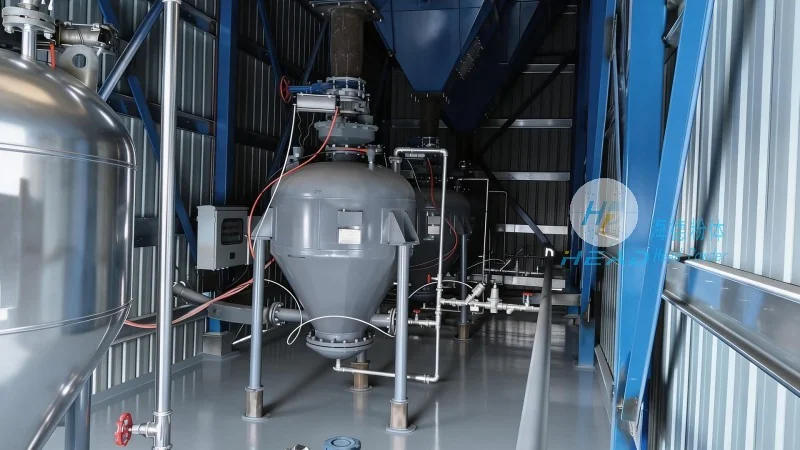
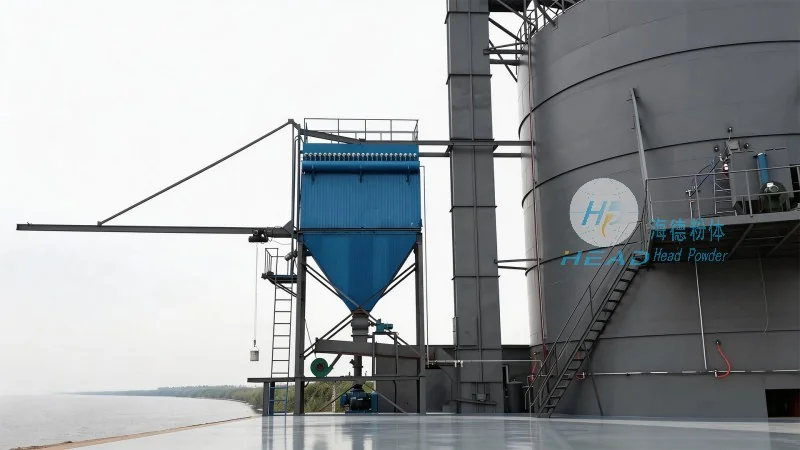
The principle of pneumatic conveying involves the use of air as the conveying medium to transport solid materials like clay sand through a pipeline system. Unlike traditional mechanical methods such as belt conveyors or bucket elevators, pneumatic systems utilize pressure or vacuum to move materials, offering several advantages in terms of flexibility, cleanliness, and process integration. For clay sand, which often has fine particles and varying moisture content, the design of the conveying system must account for factors like particle size distribution, flowability, and potential caking or agglomeration. The system typically consists of a feeding unit, a conveying pipeline, a separation or collection device, and a control system. The feeding unit ensures a consistent and controlled introduction of the clay sand into the pipeline, while the conveying pipeline may be horizontal, vertical, or a combination of both, depending on the layout of the facility. The separation or collection device, such as a cyclone or a bag filter, removes the air from the material stream, allowing the clay sand to be discharged at the desired location. The control system monitors and adjusts the air flow, pressure, and material feed rate to maintain optimal operation and prevent issues like blockages or excessive pressure drops.
Key Working Scene Characteristics of Pneumatic Conveying Systems
The working scene characteristics of pneumatic conveying systems for clay sand are influenced by several factors that impact their performance and suitability in different industrial settings. One of the primary characteristics is the ability to handle materials with high moisture content or fine particle sizes, which can be challenging for other conveying methods. Pneumatic systems can effectively transport clay sand even when it is wet or contains dust, reducing the risk of material degradation or loss. Another important characteristic is the flexibility in system layout, as pneumatic conveyors can be installed in various configurations to accommodate complex facility layouts, including vertical lifts, horizontal runs, and curved sections. This flexibility allows for the integration of the conveying system with existing equipment and processes, minimizing the need for major structural modifications. Additionally, pneumatic conveying systems offer a high degree of cleanliness and dust control, which is crucial in industries where contamination or environmental regulations are a concern. The enclosed pipeline system prevents the release of dust into the environment, and the use of filters or cyclones ensures that the air is cleaned before being discharged, meeting environmental standards. The operational characteristics also include the ability to handle varying material flow rates and loads, making the system adaptable to different production schedules and demand fluctuations. This adaptability is particularly valuable in manufacturing environments where production volumes may change based on market demand or seasonal variations.
Applications and Industries Where Pneumatic Conveying is Preferred
Pneumatic conveying of clay sand is widely used in various industries due to its ability to handle the unique properties of this material. In the foundry industry, for example, clay sand is used as a refractory material in sand molds for casting metal parts. Pneumatic systems are used to transport the clay sand from storage silos to the molding machines, ensuring a consistent and clean supply of material. The foundry industry benefits from the high efficiency and cleanliness of pneumatic conveying, which helps maintain the quality of the sand and reduces the risk of contamination in the casting process. Another industry where pneumatic conveying is preferred is the construction materials sector, where clay sand is used as an aggregate in concrete or as a raw material in the production of cement. Pneumatic systems are used to transport the clay sand from quarries or storage facilities to the production plants, providing a reliable and cost-effective method of material handling. The construction industry also values the flexibility of pneumatic conveyors, as they can be easily reconfigured to accommodate changes in production requirements or facility expansions. In the chemical industry, clay sand may be used as a filler or a component in the production of various products, and pneumatic conveying systems are used to transport the material to the processing units. The chemical industry benefits from the ability of pneumatic systems to handle materials with high moisture content or fine particle sizes, which can be difficult to transport using other methods. Additionally, the food and pharmaceutical industries may use clay sand as a filtration medium or a component in the production of certain products, and pneumatic conveying is used to transport the material in a hygienic and controlled manner. The food and pharmaceutical industries require strict cleanliness and dust control, which pneumatic systems can provide, ensuring that the material is handled in a way that meets regulatory standards.
Advantages of Pneumatic Conveying Over Traditional Methods
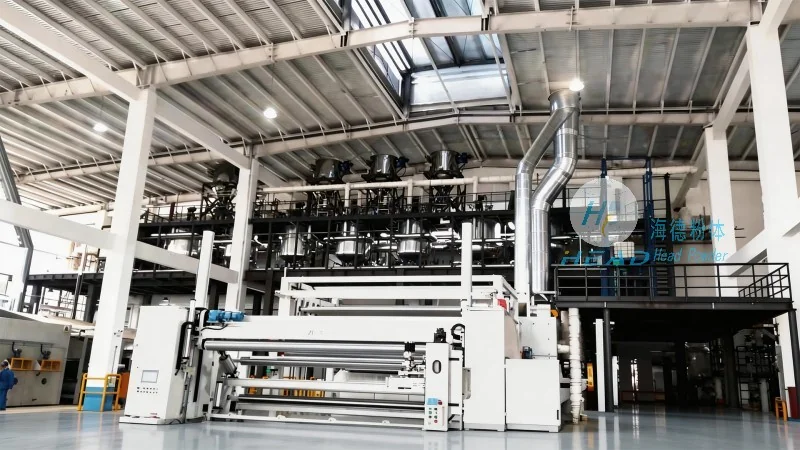
Compared to traditional mechanical conveying methods, pneumatic conveying offers several advantages that make it the preferred choice for handling clay sand materials. One of the main advantages is the ability to handle fine particles and materials with high moisture content, which can be challenging for belt conveyors or bucket elevators. Pneumatic systems can effectively transport clay sand even when it is wet or contains dust, reducing the risk of material degradation or loss. Another advantage is the high degree of cleanliness and dust control, which is crucial in industries where contamination or environmental regulations are a concern. The enclosed pipeline system prevents the release of dust into the environment, and the use of filters or cyclones ensures that the air is cleaned before being discharged, meeting environmental standards. The flexibility in system layout is another key advantage, as pneumatic conveyors can be installed in various configurations to accommodate complex facility layouts, including vertical lifts, horizontal runs, and curved sections. This flexibility allows for the integration of the conveying system with existing equipment and processes, minimizing the need for major structural modifications. Additionally, pneumatic conveying systems offer a high degree of efficiency and reliability, with minimal downtime and maintenance requirements. The use of advanced control systems allows for real-time monitoring and adjustment of the air flow, pressure, and material feed rate, ensuring optimal operation and preventing issues like blockages or excessive pressure drops. This reliability is particularly valuable in continuous production environments where downtime can result in significant losses.
Design Considerations for Pneumatic Conveying Systems
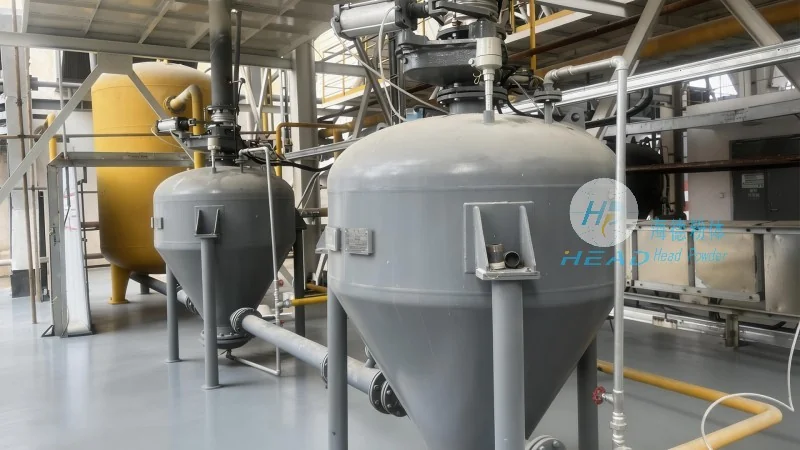
The design of a pneumatic conveying system for clay sand requires careful consideration of several factors to ensure optimal performance and efficiency. The first consideration is the material properties of the clay sand, including particle size distribution, moisture content, and flowability. These properties determine the type of conveying system (pressure or vacuum) and the design of the components, such as the feeding unit and the pipeline. For example, if the clay sand has a high moisture content or fine particle size, a pressure system may be more suitable, as it can handle the material more effectively and prevent blockages. The second consideration is the system layout and the distance to be covered. The layout of the facility, including the location of the storage silos, the processing units, and the discharge points, will determine the length and configuration of the pipeline. The distance to be covered will affect the air pressure required and the size of the components, such as the blower or the fan. The third consideration is the required flow rate and capacity. The production requirements will determine the amount of clay sand that needs to be transported per hour, which will affect the size of the conveying system and the power of the air source. The fourth consideration is the environmental and regulatory requirements. The system must meet the local environmental standards for dust emission and noise levels, which may require the use of filters or silencers. The fifth consideration is the cost and maintenance requirements. The initial investment and the ongoing maintenance costs will affect the overall cost-effectiveness of the system. Shandong HeadPowder Engineering Co., Ltd. provides comprehensive design services to address these considerations and ensure that the pneumatic conveying system is tailored to the specific needs of the client.
Conclusion and Company Overview
Pneumatic conveying technology offers a highly effective and efficient solution for the handling and transportation of clay sand materials in various industrial applications. The principles of pneumatic conveying, which involve the use of air as the conveying medium, provide several advantages over traditional mechanical methods, including flexibility, cleanliness, and process integration. The working scene characteristics of pneumatic conveying systems, such as their ability to handle fine particles and high moisture content, make them suitable for diverse industrial environments. Shandong HeadPowder Engineering Co., Ltd. specializes in the design, manufacturing, and installation of advanced pneumatic conveying systems tailored to the unique properties of clay sand. With a focus on quality, efficiency, and customer satisfaction, the company provides comprehensive solutions that meet the specific needs of its clients. The company's expertise in pneumatic conveying technology, combined with its commitment to innovation and customer service, makes it a leading provider in the industry. Whether for foundry, construction, chemical, or other industries, Shandong HeadPowder Engineering Co., Ltd. offers reliable and effective pneumatic conveying solutions that enhance operational efficiency and product quality.




