Pentaclorophosphorus, also known as phosphorus pentachloride, is a chemical compound widely used in industrial applications due to its reactivity and utility in various chemical processes. The efficient handling and transportation of this material are critical for ensuring safety, maintaining product quality, and optimizing operational efficiency in industrial settings. Pneumatic conveying systems have emerged as a preferred method for transporting pentaclorophosphorus, offering advantages such as reduced dust exposure, improved process control, and enhanced safety compared to traditional bulk handling methods. This article explores the fundamental principles of pentaclorophosphorus material pneumatic conveying and highlights the key characteristics of its working scenes, providing insights into the practical applications and operational considerations for industries relying on this technology.
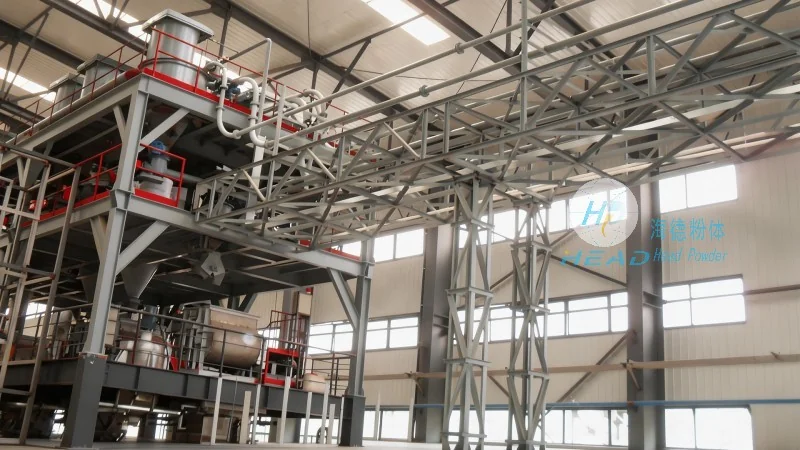
Understanding Pentaclorophosphorus and Its Handling Requirements
Pentaclorophosphorus (PCl₅) is a white to off-white crystalline solid with a pungent odor, characterized by its high reactivity and potential to release toxic fumes when exposed to moisture or heat. Due to its hazardous nature, handling this material requires specialized equipment and strict safety protocols. Traditional bulk handling methods, such as belt conveyors or manual loading, pose significant risks of dust inhalation, exposure to corrosive vapors, and potential fire hazards. Pneumatic conveying addresses these challenges by transporting the material in a sealed system, minimizing direct human contact and environmental exposure. The system typically involves a hopper, a conveyor line, and a receiver, with air or inert gas used to move the material through the pipeline. This approach not only enhances safety but also allows for precise control over the flow rate and pressure, ensuring consistent delivery to downstream processes.
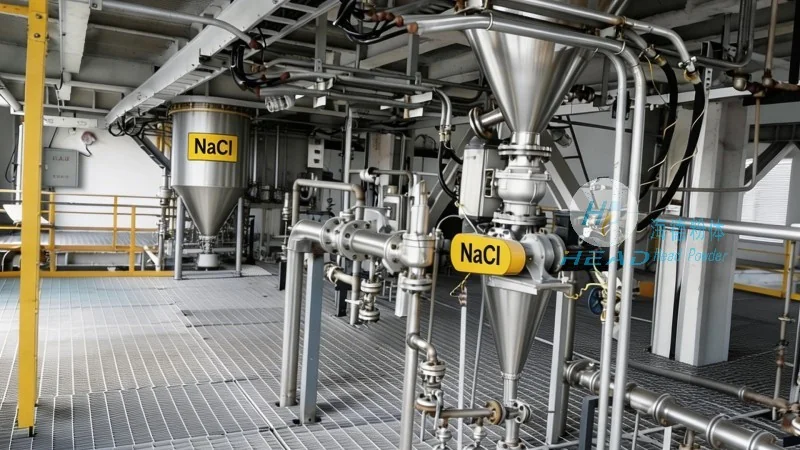
The Core Principles of Pneumatic Conveying for Pentaclorophosphorus
Pneumatic conveying operates on the principle of using air or gas to transport solid particles through a pipeline. For pentaclorophosphorus, the system design must account for the material's density, particle size distribution, and reactivity. The key components of a pneumatic conveying system include a feeding device (hopper or rotary valve), a conveying line (usually made of corrosion-resistant materials like stainless steel or PTFE-coated pipes), a pressure or vacuum source (blower or vacuum pump), and a separation or collection unit (receiver or cyclone). The choice between pressure and vacuum systems depends on the application, with pressure systems suitable for long-distance or high-volume transport and vacuum systems ideal for short-distance or gentle handling. The velocity of the air stream is critical; it must be sufficient to overcome the gravitational and frictional forces acting on the particles while preventing excessive wear on the system components. Proper system design ensures that the air velocity remains within the "inertial" or "dense phase" range, where particles are carried in a slurry-like state, minimizing segregation and ensuring uniform flow.
Key Working Scene Characteristics of Pentaclorophosphorus Pneumatic Conveying
The working scenes for pentaclorophosphorus pneumatic conveying vary based on the specific industrial application, production scale, and environmental constraints. Some common characteristics include:
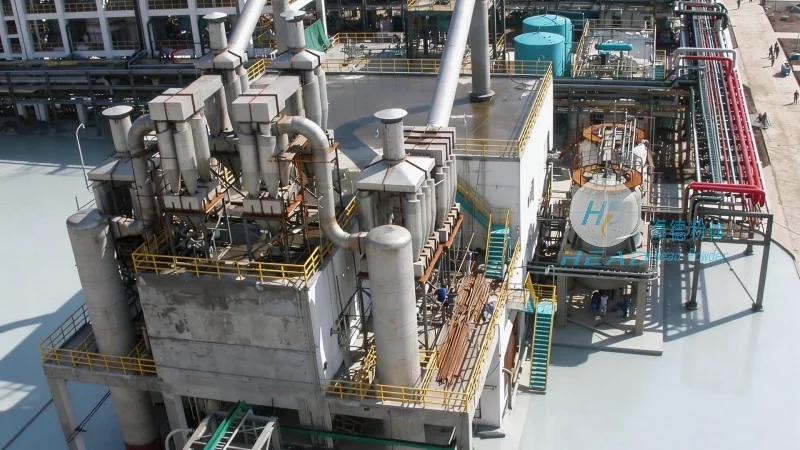
- Industrial Scale Production: In large-scale chemical plants, pneumatic conveying is used to transport pentaclorophosphorus from storage silos to reactors or processing units. The systems are designed for high throughput, often handling several tons per hour, with automated control systems to regulate flow and pressure. The working environment is typically a controlled industrial facility with strict safety measures, including explosion-proof equipment and emergency ventilation systems.
- Pharmaceutical and Specialty Chemical Manufacturing: For applications in pharmaceuticals or specialty chemicals, the handling of pentaclorophosphorus requires even stricter contamination control. The pneumatic conveying systems are often equipped with HEPA filters and inert gas purging to prevent cross-contamination and ensure product purity. The working scenes are cleanroom environments or isolated processing areas with minimal human presence, emphasizing precision and safety.
- Batch Processing and Small-Scale Operations: In smaller-scale or batch production settings, the pneumatic conveying system may be simpler, with lower throughput and more manual intervention. The working scene might be a laboratory or a small-scale pilot plant, where the system is used to transfer small quantities of pentaclorophosphorus for testing or research purposes. The focus here is on flexibility and ease of operation, with the ability to adjust parameters quickly for different experimental needs.
- Environmental and Safety Compliance: Regardless of the scale, all working scenes for pentaclorophosphorus pneumatic conveying must adhere to stringent environmental and safety regulations. This includes proper ventilation to remove toxic fumes, regular maintenance of equipment to prevent leaks, and training for personnel on emergency procedures. The working environment is designed to minimize exposure risks, with enclosed systems and monitoring devices to detect any leaks or abnormal conditions.
Operational Considerations and Best Practices
To ensure the efficient and safe operation of pentaclorophosphorus pneumatic conveying systems, several operational considerations must be addressed. First, the material's properties, such as its moisture content and particle size, must be carefully monitored and controlled. High moisture levels can lead to clumping or corrosion, while inconsistent particle sizes may affect flow characteristics. Second, the system must be regularly inspected and maintained to prevent wear and tear, particularly on components exposed to the corrosive nature of pentaclorophosphorus. This includes checking for leaks in the pipeline, ensuring the blower or vacuum pump is functioning correctly, and replacing worn parts promptly. Third, the use of inert gases, such as nitrogen or carbon dioxide, may be necessary in certain applications to prevent oxidation or combustion of the material. The selection of the gas type and pressure must be optimized based on the specific requirements of the process. Finally, adherence to safety protocols is paramount, with regular training for operators on handling hazardous materials and emergency response procedures.




