HeadPowder, a leading engineering company based in Shandong, China, specializes in the design and implementation of advanced pneumatic conveying systems tailored for synthetic rubber materials. This article explores the fundamental principles behind pneumatic conveying technology and highlights key application scenarios where such systems excel in material handling operations.
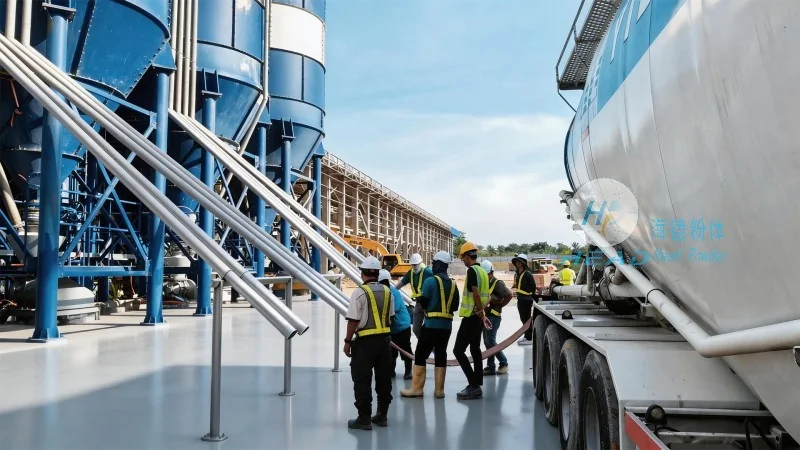
Understanding Pneumatic Conveying Principles
Pneumatic conveying is a method of transporting bulk materials, including synthetic rubber powders and granules, through a pipeline using a stream of air or other gas. The core principle involves creating a pressure differential within the system to move the material from the source to the destination. There are two primary types of pneumatic conveying systems: pressure and vacuum. Pressure systems operate by blowing air or gas into the conveying line under positive pressure, while vacuum systems use a vacuum pump to draw material into the line under negative pressure.
For synthetic rubber materials, the choice of system depends on factors such as material properties, particle size, moisture content, and the distance and layout of the conveying route. The pressure system is often preferred for long-distance or high-volume applications due to its ability to maintain consistent material flow and handle abrasive or sticky materials effectively. In contrast, vacuum systems are suitable for shorter distances or when the material is sensitive to pressure changes, as they can operate more gently on the material.
Key Working Scenarios for Synthetic Rubber Pneumatic Conveying
HeadPowder's pneumatic conveying solutions are widely applied in various industrial settings where synthetic rubber materials need to be efficiently transported. One common scenario is in the manufacturing of rubber products, where raw synthetic rubber is conveyed from storage silos or bulk containers to processing lines. This ensures a continuous and controlled supply of material, reducing downtime and improving production efficiency.
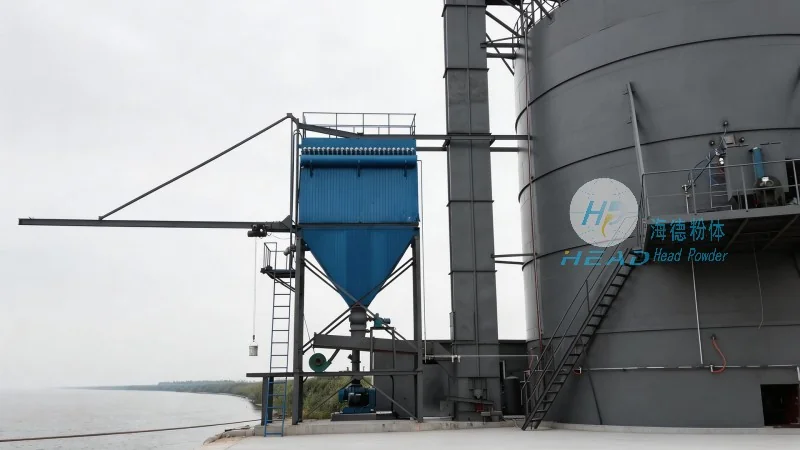
Another important application is in the recycling and reprocessing of synthetic rubber waste. Pneumatic conveying systems can handle reclaimed rubber particles, transporting them from sorting and cleaning stages to regrind or compounding equipment. This process is crucial for maintaining the quality of recycled materials and optimizing the recycling process in the rubber industry.
In the chemical and polymer processing sector, synthetic rubber materials are often mixed with other additives or chemicals. Pneumatic conveying allows for precise and homogeneous blending of these components, ensuring consistent product quality. The systems can be integrated with mixing and compounding equipment, enabling seamless material transfer and reducing the risk of contamination or segregation.
Advantages of Pneumatic Conveying for Synthetic Rubber Handling
Implementing pneumatic conveying systems for synthetic rubber materials offers several advantages over traditional mechanical conveying methods. Firstly, it eliminates the need for moving parts in contact with the material, reducing wear and tear and minimizing the risk of contamination. Synthetic rubber is often sensitive to moisture and dust, and pneumatic systems can be designed with enclosed pipelines to maintain a clean and dry environment, preserving material quality.
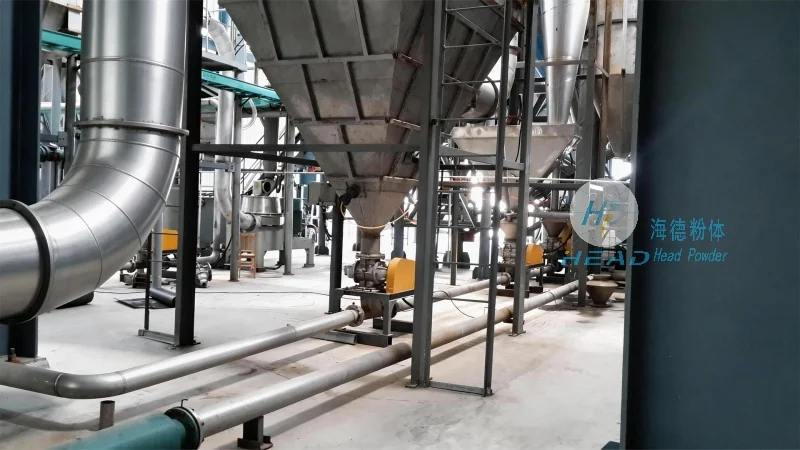
Secondly, pneumatic conveying provides flexibility in system layout. The pipelines can be installed in various configurations, including vertical, horizontal, or inclined paths, adapting to the specific spatial constraints of a facility. This flexibility allows for efficient use of available space and can accommodate changes in production processes or facility expansions.
Thirdly, the technology enables precise control over material flow rates and pressure, ensuring consistent and reliable operation. This is particularly important for synthetic rubber materials, which may have varying particle sizes or flow characteristics. Advanced control systems can be integrated into the pneumatic conveying equipment to optimize performance and minimize energy consumption.
Customized Solutions by HeadPowder Engineering
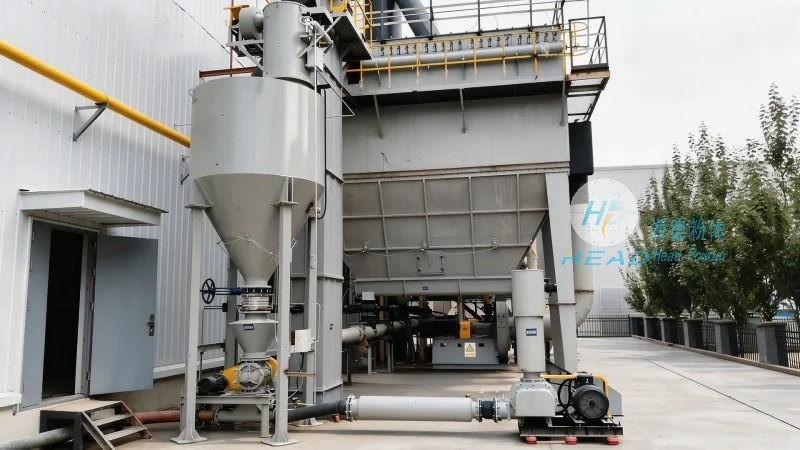
HeadPowder Engineering Co., Ltd., with its headquarters in Shandong, China, offers tailored pneumatic conveying solutions that address the unique challenges of synthetic rubber material handling. The company's engineering team works closely with clients to assess their specific requirements, including material properties, production capacity, and operational environment. Based on this assessment, HeadPowder designs and manufactures custom conveying systems that meet the highest standards of efficiency, reliability, and safety.
The company's solutions include a range of components such as feeders, cyclones, filters, and control panels, all designed to work together seamlessly. The feeders ensure consistent material feed into the conveying line, while cyclones separate the conveyed material from the air stream, allowing for recycling of the air and collection of the material. Filters are used to maintain air quality and prevent dust accumulation in the system. Control panels provide real-time monitoring and adjustment of system parameters, ensuring optimal performance.
HeadPowder's commitment to quality and innovation is reflected in its use of advanced materials and manufacturing processes. The company adheres to international standards and conducts rigorous testing to ensure that its pneumatic conveying systems meet the demanding requirements of the synthetic rubber industry. By leveraging its expertise and experience, HeadPowder helps clients improve their material handling processes, reduce operational costs, and enhance overall productivity.




