Powder carbon additives, such as calcined petroleum coke or other carbon-based powders, are critical raw materials in various industrial processes, including steelmaking, foundry, and battery production. The efficient and reliable transport of these fine powders is essential for maintaining production efficiency and product quality. Pneumatic conveying equipment offers a solution by utilizing air flow to move the powder material through a system of pipes and components. This method is particularly advantageous for carbon additive powders due to their fine particle size and potential for dust generation during handling.
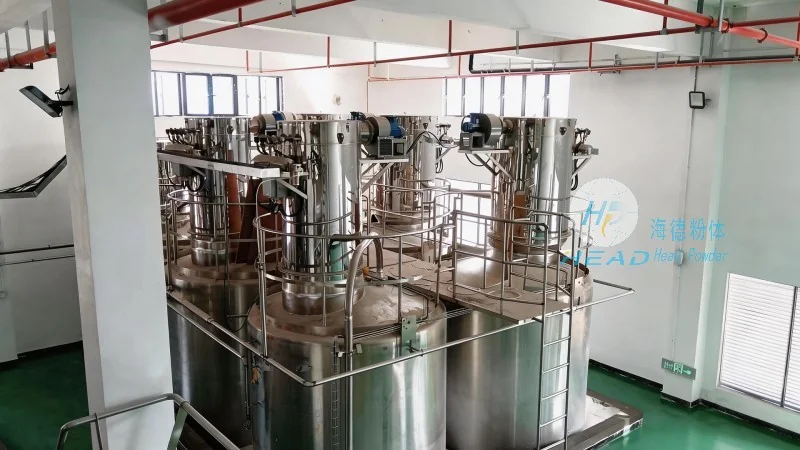
Principle of Pneumatic Conveying for Carbon Additive Powders
The core principle of pneumatic conveying for powder carbon additives involves the creation of a flow of air or gas within a pipeline. This flow can be generated through positive pressure (where air is forced into the system) or negative pressure (where air is drawn out). The equipment typically includes a feeding hopper, a conveyor line, and a discharge point. The carbon additive powder is introduced into the system, often with the assistance of a feeder or a rotary valve, and is then entrained by the moving air stream. The air-powder mixture travels through the pipeline to the destination, where it is separated from the air and collected. The separation process may involve cyclones, filters, or other dedusting equipment to ensure the powder is recovered efficiently and the air is cleaned before release.
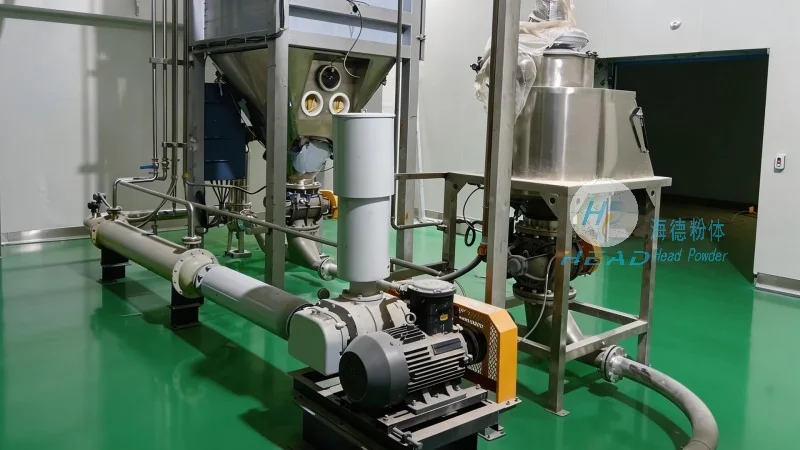
Working Scene Characteristics of the Equipment
The working scene characteristics of pneumatic conveying equipment for carbon additive powders vary based on the specific application and operational environment. In steelmaking facilities, for example, the equipment may be integrated into a larger material handling system, where it transports carbon additives from storage silos to the blast furnace or other processing units. The system must be designed to handle high volumes of material and operate under high temperatures and pressures. In foundry applications, the equipment may be used to convey carbon additives to molding lines, where they are mixed with other raw materials to create the mold material. The working scene may involve frequent start-stop cycles and the need for precise dosing to ensure consistent product quality. Additionally, in battery production, the equipment may be used to transport carbon additives to mixing and extrusion lines, where they are incorporated into electrode materials. The working scene in this case may require high purity and low contamination levels, making the design of the pneumatic conveying system critical for maintaining product specifications.
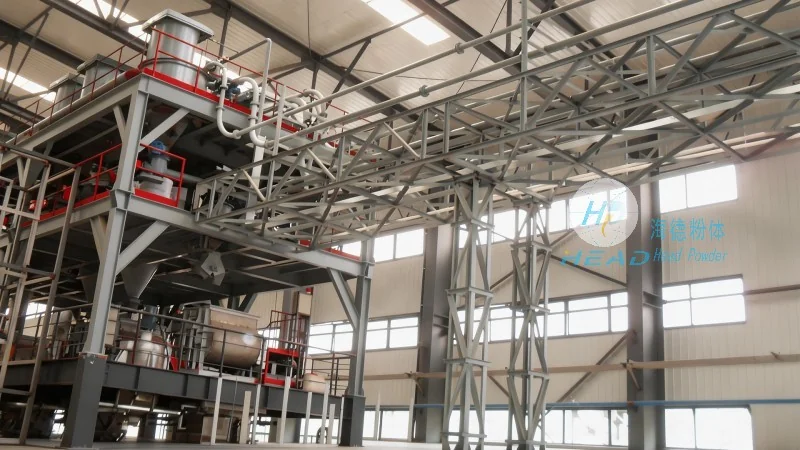
Company Profile: Shandong HeadPowder Engineering Co., Ltd.
Shandong HeadPowder Engineering Co., Ltd., commonly known as headpowder, is a specialized engineering company focused on the design, manufacturing, and supply of pneumatic conveying systems for various powder materials, including carbon additives. The company has extensive experience in the steel, foundry, and battery industries, providing customized solutions that meet the specific requirements of each client. Headpowder's team of engineers and technicians work closely with clients to understand their operational needs and develop equipment that enhances efficiency, reduces downtime, and improves product quality. The company's commitment to quality and innovation has made it a trusted partner in the industry, with a reputation for delivering reliable and durable pneumatic conveying systems.
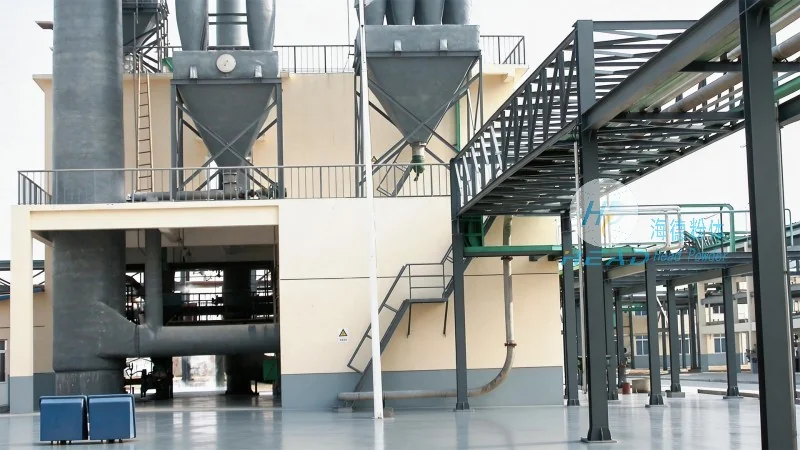
Address and Location
Shandong HeadPowder Engineering Co., Ltd. is located in Shandong, China. The company's headquarters and manufacturing facilities are situated in a region known for its industrial strength and access to raw material sources, providing a strategic advantage for producing high-quality pneumatic conveying equipment. The company's address is in the industrial zone of Shandong, where it operates its production and research facilities, ensuring close proximity to clients and the ability to provide timely support and maintenance services.




