HeadPowder, a leading provider of industrial material handling solutions, specializes in air-driven equipment for transporting quartz sand and other fine particles. This article explores the fundamental principles of such equipment and highlights its key working scene characteristics, offering insights into its application and operational advantages.
Introduction to Air-Driven Material Handling Equipment
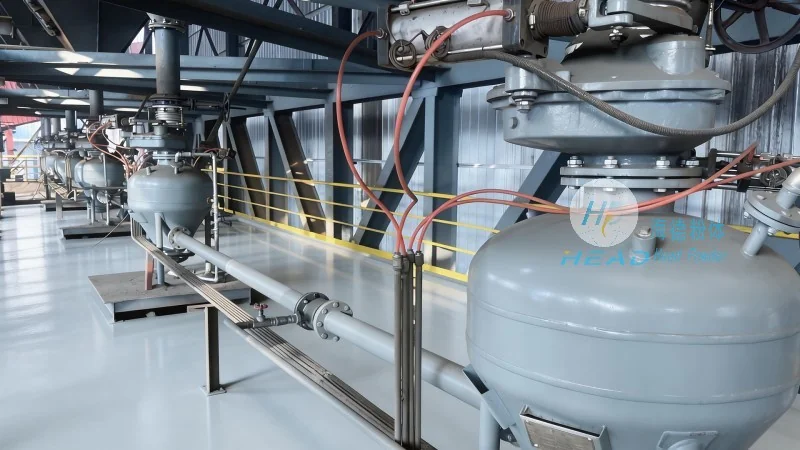
At the core of modern industrial material handling is the efficient and reliable transport of bulk materials like quartz sand. Air-driven systems, also known as pneumatic conveying systems, utilize compressed air or gas to move particles through a pipeline network. This method offers significant advantages over traditional mechanical conveyors, particularly in terms of flexibility, cleanliness, and the ability to handle delicate or abrasive materials without damage.
The Fundamental Principle of Air-Driven Conveying
The operation of air-driven quartz sand handling equipment is based on the principle of creating a pressure differential within a closed system. Compressed air is introduced into the conveying line, creating a high-pressure environment that propels the quartz sand particles forward. The system typically consists of a blower, a hopper for material storage, a pipeline network, and a discharge point. As air flows through the pipeline, it entrains the quartz sand particles, forming a dense mixture known as a "slurry" or "conveyed stream." The velocity and pressure of the air determine the capacity and efficiency of the transport process.
Key Working Scene Characteristics
When evaluating the suitability of air-driven quartz sand conveying equipment for specific applications, several working scene characteristics come into play. These factors influence the system's design, performance, and overall effectiveness in industrial settings.
1. Material Properties and Particle Size
The characteristics of the quartz sand itself are critical. Quartz sand particles are typically fine and abrasive, which can affect the wear on system components. The particle size distribution, density, and moisture content all impact the conveying velocity required. For example, finer particles may require higher air velocities to prevent clogging, while larger or denser particles may need adjustments to the blower pressure and pipeline diameter to ensure smooth transport.
2. System Layout and Pipeline Design
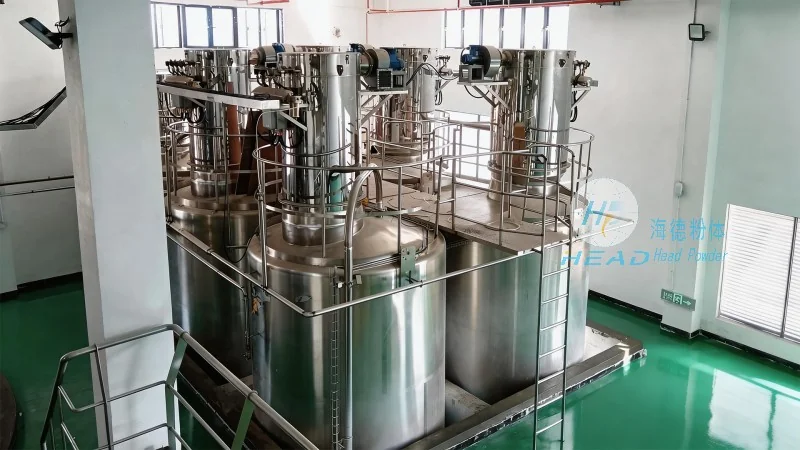
The layout of the conveying system, including the length, elevation changes, and number of bends in the pipeline, directly affects the system's performance. Vertical lifts and horizontal runs must be carefully designed to maintain sufficient air velocity to keep particles suspended. The use of special fittings, such as elbows and expansion joints, is essential to minimize pressure losses and prevent particle deposition. The design must also consider the overall footprint and integration with existing industrial infrastructure.
3. Environmental and Safety Considerations
In industrial environments, air-driven conveying systems must adhere to safety and environmental standards. The system is designed to be enclosed, reducing dust emissions and protecting operators from exposure to fine particles. Proper filtration and air cleaning systems are integrated to ensure compliance with air quality regulations. Additionally, the equipment is engineered to handle potential hazards such as overpressure or blockages, with safety valves and monitoring systems to prevent accidents and equipment damage.
4. Operational Efficiency and Maintenance
Efficiency in air-driven conveying is a key working scene characteristic. The system's energy consumption, measured in terms of air volume and pressure, directly impacts operational costs. Regular maintenance is essential to ensure optimal performance, including cleaning of filters, checking blower performance, and inspecting pipeline integrity. The use of wear-resistant materials for components in contact with quartz sand helps extend the equipment's lifespan and reduces downtime due to component failure.
Applications and Industry Use Cases
HeadPowder's air-driven quartz sand conveying equipment is widely used across various industries where the handling of fine, abrasive materials is required. Some common applications include:
1. Mining and Quarrying Operations
In mining and quarrying, quartz sand is often extracted as a byproduct or processed as a raw material. Air-driven systems are used to transport the sand from extraction sites to processing facilities or storage areas. The equipment's ability to handle abrasive particles without damage makes it ideal for these harsh environments.
2. Construction Materials Production
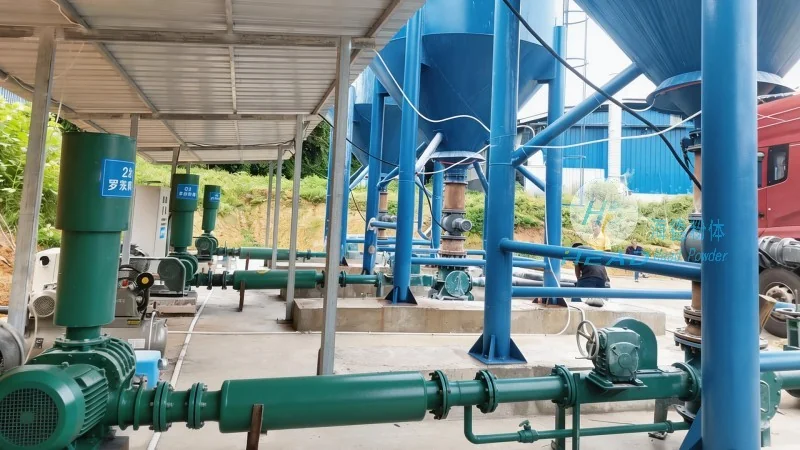
Quartz sand is a key ingredient in the production of concrete, mortar, and other building materials. Air-driven conveying systems efficiently transport the sand from storage silos to mixing plants or production lines, ensuring consistent material quality and reducing manual handling risks.
3. Glass Manufacturing
Quartz sand is a primary raw material in glass production, requiring high-purity and fine particles. Air-driven systems are used to convey the sand from raw material storage to the glass melting furnaces, maintaining the necessary purity and preventing contamination from other materials.
4. Chemical and Pharmaceutical Industries
In the chemical and pharmaceutical sectors, quartz sand may be used as a filler or abrasive in product formulations. The clean and enclosed nature of air-driven conveying systems ensures that the material remains free from contamination, meeting stringent quality and safety standards.
Conclusion
HeadPowder Engineering Co., Ltd., based in Shandong, China, specializes in the design and manufacturing of advanced air-driven quartz sand conveying equipment. By understanding the fundamental principles and working scene characteristics of these systems, industries can optimize their material handling processes, improve efficiency, and reduce operational costs. The company's commitment to quality and innovation ensures that their equipment meets the demanding requirements of modern industrial applications, providing reliable and effective solutions for transporting quartz sand and other fine particles.




