HeadPowder, a leading provider in the field of material handling solutions, specializes in the design, manufacturing, and implementation of advanced pneumatic conveying systems. This article delves into the fundamental principles and operational characteristics of a pneumatic conveying line specifically tailored for sodium dithionite material, a critical chemical widely used in various industrial applications such as bleaching, water treatment, and chemical synthesis.
Understanding the Core Principle of Pneumatic Conveying for Sodium Dithionite
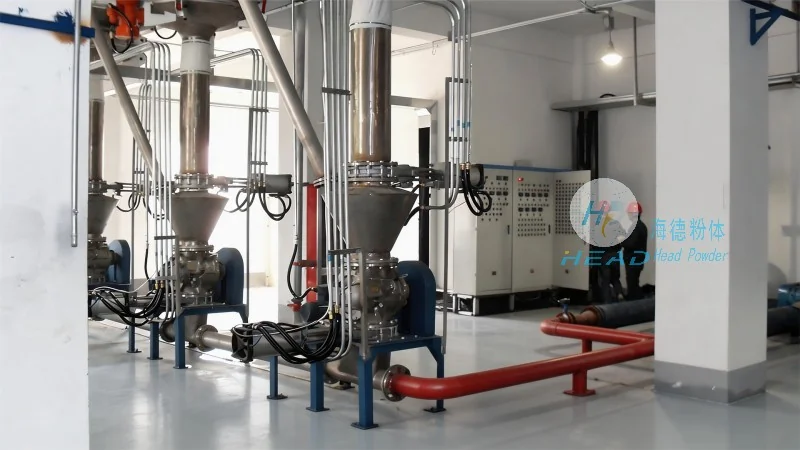
The pneumatic conveying system for sodium dithionite operates on the principle of transporting bulk materials through a pipeline using a stream of air or other gas. This method is particularly advantageous for handling materials that are sensitive to moisture, temperature fluctuations, or mechanical stress, as it minimizes direct contact with external elements and reduces the risk of contamination. The system typically consists of several key components, including a material hopper, a rotary airlock valve, a conveying pipeline, a dust collector, and a receiver. The material is fed from the hopper into the pipeline via the rotary airlock, which ensures a controlled and continuous flow. Compressed air is then introduced into the pipeline, creating a low-pressure or high-pressure environment that propels the material along the pipeline to the destination point, such as a storage silo or processing unit. The design of the conveying line is optimized to maintain the material's integrity and prevent blockages, which is crucial for sodium dithionite due to its hygroscopic nature and potential for agglomeration.
Key Working Scene Characteristics of the System
The working scene characteristics of the sodium dithionite pneumatic conveying line are tailored to meet the specific demands of industrial environments where this chemical is processed. One of the primary characteristics is the system's ability to handle varying material flow rates, from low to high capacities, ensuring flexibility in production operations. This adaptability is essential in industries where production volumes fluctuate based on market demand or processing requirements. Additionally, the system is designed for efficient material transfer over considerable distances, often ranging from several hundred meters to several kilometers, without the need for intermediate storage or manual handling. This capability enhances operational efficiency by reducing downtime and labor costs associated with traditional bulk material handling methods.
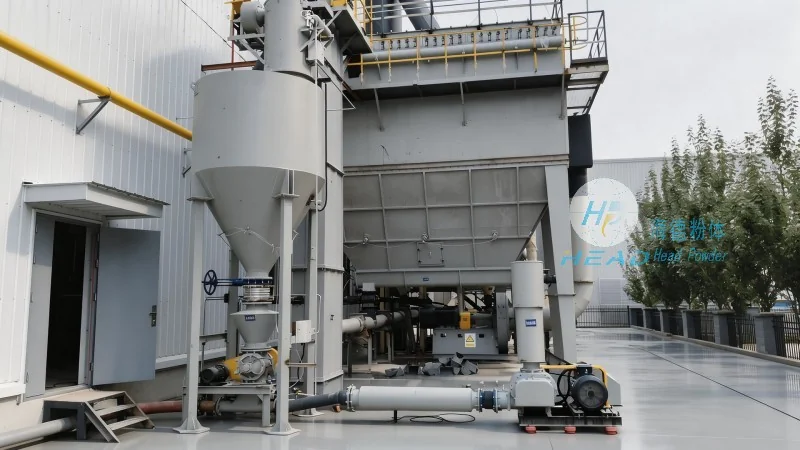
Another significant characteristic is the system's integration with existing industrial infrastructure. The pneumatic conveying line can be seamlessly integrated into existing production lines, minimizing the need for extensive site modifications. This integration is facilitated by the modular design of the components, which allows for easy installation and maintenance. The system also incorporates advanced control mechanisms, such as variable frequency drives and pressure sensors, to monitor and regulate the conveying process in real-time. These controls ensure optimal performance, prevent system overloads, and enhance safety by detecting potential issues before they escalate into operational failures.
Application Scenarios and Operational Advantages
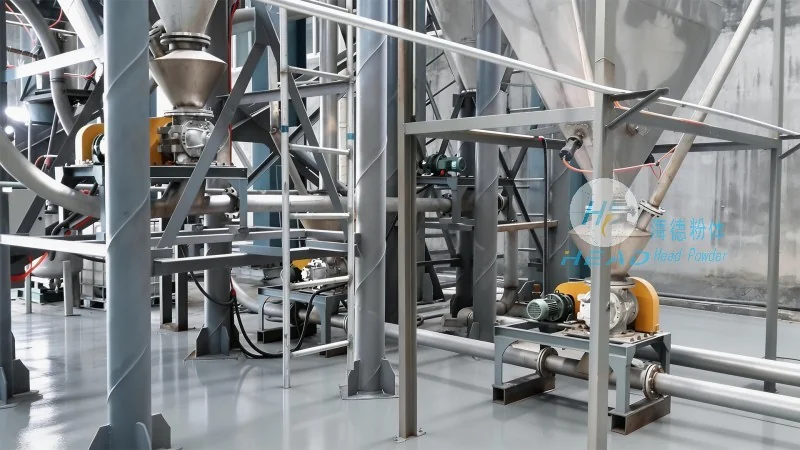
The pneumatic conveying line for sodium dithionite is widely applied in various industrial scenarios, including chemical manufacturing plants, water treatment facilities, and textile processing units. In chemical manufacturing, the system is used to transport sodium dithionite from storage silos to reaction vessels, ensuring a consistent and controlled supply of the chemical for production processes. In water treatment applications, the system facilitates the transfer of sodium dithionite to dosing systems, enabling precise control over the disinfection and oxidation processes. The operational advantages of this system over traditional methods, such as belt conveyors or bucket elevators, are evident in terms of reduced material degradation, lower energy consumption, and improved safety. The enclosed pipeline system prevents dust emissions and minimizes the risk of material exposure to the environment, which is critical for sodium dithionite due to its potential to cause respiratory issues or skin irritation if not handled properly.
Conclusion and Company Overview
Shandong HeadPowder Engineering Co., Ltd., with its headquarters in Shandong, China, has established itself as a trusted partner in providing customized pneumatic conveying solutions for sodium dithionite and other bulk materials. The company's expertise lies in designing systems that not only meet the technical requirements of the material but also align with the operational needs of the end-user. By leveraging advanced engineering principles and rigorous testing protocols, HeadPowder ensures that its pneumatic conveying lines are reliable, efficient, and cost-effective. The company's commitment to quality and customer satisfaction has made it a preferred choice for industries seeking to enhance their material handling processes and improve overall operational performance.




