HeadPowder, a leading engineering firm based in Shandong, China, specializes in the design and implementation of advanced material handling systems. This article delves into the principles and operational characteristics of pneumatic conveying lines specifically tailored for silicon carbide materials, a critical component in various industrial applications.
Understanding Pneumatic Conveying Technology for Silicon Carbide
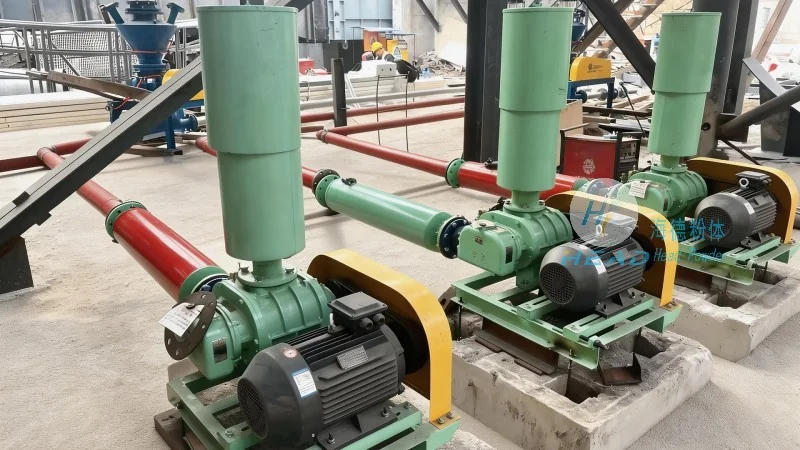
Pneumatic conveying systems utilize air or gas as the primary medium to transport bulk materials like silicon carbide from one location to another. The core principle involves creating a pressure differential or using vacuum to move the material through a pipeline. For silicon carbide, which is known for its abrasive and high-density properties, specialized equipment and system designs are essential to ensure efficient and reliable operation. The system typically consists of a hopper, a feeder, a conveying line, and a receiver. The hopper stores the silicon carbide, while the feeder controls the flow rate into the pipeline. The conveying line, often made of durable materials such as stainless steel or special alloys, handles the material transport. The receiver collects the material at the destination. The choice of conveying method—positive pressure, negative pressure, or a combination—depends on factors like material characteristics, distance, and system complexity.
Key Working Scenarios and Application Characteristics
The application scenarios for silicon carbide pneumatic conveying lines vary widely across different industries. In the refractory industry, these systems are used to transport raw silicon carbide powders to production lines, ensuring consistent quality and minimal contamination. In the abrasive tools sector, the conveying lines deliver silicon carbide to grinding and polishing equipment, where precision and material integrity are paramount. The automotive industry also benefits from these systems, as silicon carbide is used in brake pads and other components, requiring efficient and clean material handling to meet strict quality standards. Additionally, in the chemical and metallurgical fields, the systems help in the transport of silicon carbide for manufacturing processes, such as the production of ceramic components or metal alloys. Each scenario demands tailored system configurations to address specific challenges like material abrasiveness, temperature control, and dust management.
System Design Considerations for Abrasive Materials
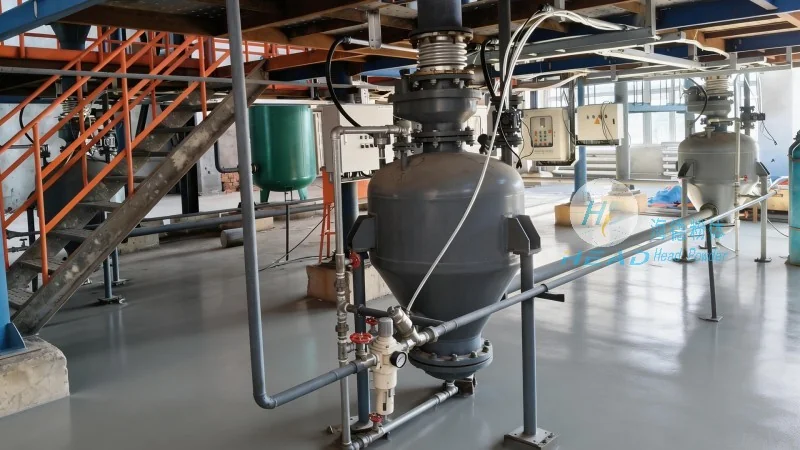
Designing a pneumatic conveying line for silicon carbide requires careful consideration of several factors to ensure longevity and performance. The material's high hardness and abrasive nature mean that standard components may wear out quickly. Therefore, components such as hoppers, feeders, and pipelines are often constructed from wear-resistant materials like high-chrome white iron, ceramic-lined steel, or special alloys. The system's pressure and flow rates are optimized to minimize particle impact and abrasion on internal surfaces. Additionally, features like pulse-jet cleaning systems or self-cleaning filters are incorporated to maintain system efficiency and prevent clogging. The control system plays a crucial role in monitoring pressure, flow, and temperature, ensuring that the system operates within safe and efficient parameters. Proper maintenance protocols, including regular inspection and replacement of worn parts, are also essential to extend the system's operational life.
Advantages of Pneumatic Conveying for Silicon Carbide Handling
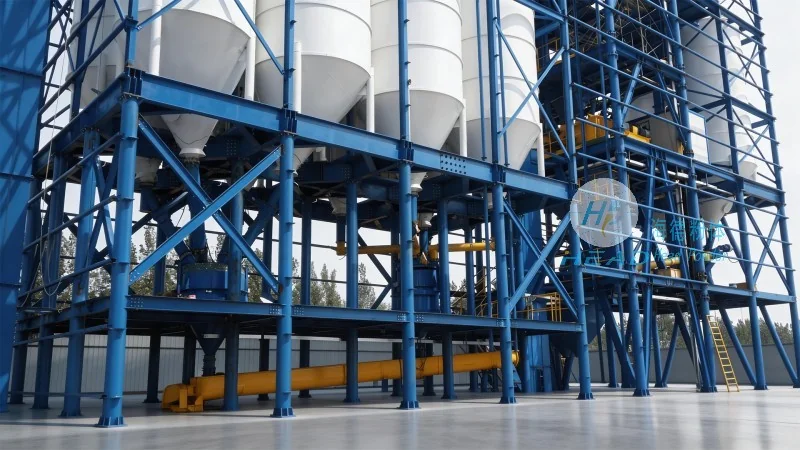
Compared to traditional mechanical conveying methods, pneumatic conveying offers several advantages for handling silicon carbide. One of the primary benefits is the ability to transport materials over long distances without the need for multiple transfer points or elevators. This reduces the risk of material degradation and contamination, which is critical for high-purity applications. The system also provides better dust control, as the material is enclosed within the pipeline, minimizing environmental impact and health hazards. Additionally, pneumatic conveying allows for more flexible system layouts, enabling integration with existing production lines or expansion as needed. The continuous operation of the system can improve production efficiency and reduce labor costs associated with manual handling. These advantages make pneumatic conveying a preferred choice for many industries dealing with silicon carbide and other abrasive bulk materials.
Conclusion and Company Expertise
HeadPowder Engineering Co., Ltd., based in Shandong, China, leverages its expertise in material handling systems to design and implement effective pneumatic conveying lines for silicon carbide applications. By understanding the unique properties of silicon carbide and the specific requirements of each industrial scenario, the company provides customized solutions that enhance operational efficiency, ensure material quality, and reduce maintenance costs. With a focus on durability, reliability, and innovation, HeadPowder continues to serve industries worldwide with advanced material handling technologies tailored to their needs.




