HeadPowder, a leading engineering company based in Shandong, China, specializes in the design and manufacturing of advanced pneumatic conveying systems tailored for various industrial applications. This article focuses on the principle and working scene characteristics of a specialized tramway designed for the efficient transport of ferric sulfate materials, a critical component in many industrial processes.
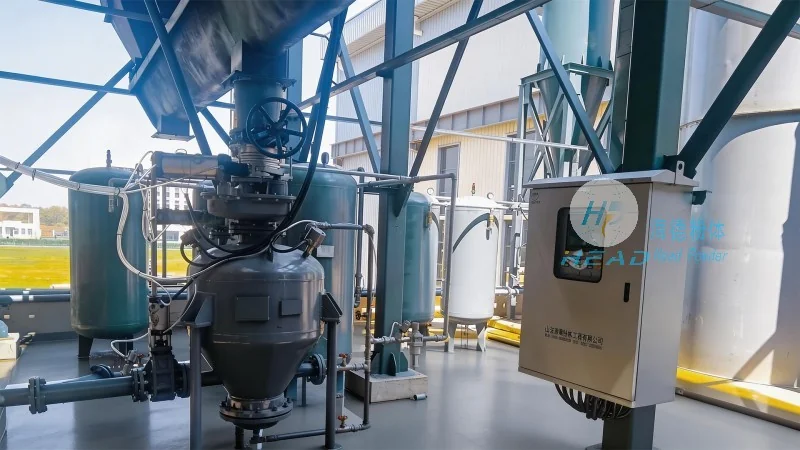
Introduction to Ferric Sulfate Pneumatic Conveying Systems
Ferric sulfate, also known as iron(III) sulfate, is widely used in water treatment, chemical manufacturing, and other industrial sectors. The efficient and safe transportation of this material is essential to maintain operational efficiency and ensure product quality. Pneumatic conveying systems offer a reliable solution for moving bulk materials like ferric sulfate, providing advantages such as minimal dust generation, reduced risk of contamination, and the ability to handle materials in a closed system.
Principle of Pneumatic Conveying for Ferric Sulfate
The core principle of a pneumatic conveying machine for ferric sulfate involves the use of air or gas to transport the material through a pipeline. The system typically consists of a hopper, a rotary valve, a conveying line, and a receiver. As the material is fed into the hopper, it is metered by the rotary valve and then introduced into the conveying line. Compressed air is then introduced at the inlet of the line, creating a pressure differential that propels the material forward. The design of the conveying line, including the diameter, length, and bends, is crucial for maintaining the flow rate and preventing material deposition or blockages.
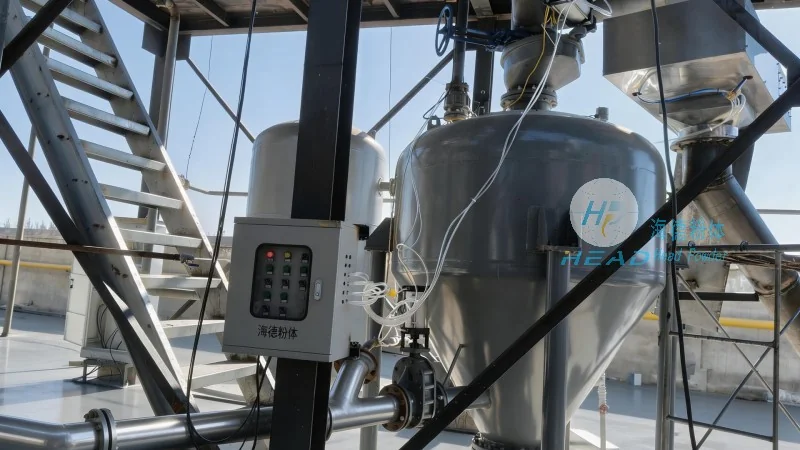
Key Components and Their Functions
Several key components work together to ensure the smooth operation of the ferric sulfate pneumatic conveying system. The hopper serves as the storage and feeding unit, where the material is held before being transferred. The rotary valve, often a star valve or slide valve, controls the flow rate of the material into the conveying line, preventing overfeeding and ensuring consistent material delivery. The conveying line, made of materials resistant to corrosion and abrasion, such as stainless steel or special alloys, is designed to withstand the chemical properties of ferric sulfate. The receiver, typically a hopper or tank, collects the material at the end of the conveying line, completing the transport process.
Working Scene Characteristics and Applications
The working scene characteristics of a ferric sulfate pneumatic conveying machine are tailored to meet the specific demands of industrial environments. These systems are commonly used in water treatment plants, where ferric sulfate is used as a coagulant to remove impurities from water. In chemical manufacturing, the system facilitates the transport of ferric sulfate between production stages, ensuring a continuous and efficient workflow. The closed system design minimizes exposure to the material, reducing the risk of dust inhalation and environmental contamination. Additionally, the system's ability to handle materials at various temperatures and humidity levels makes it suitable for diverse industrial applications.
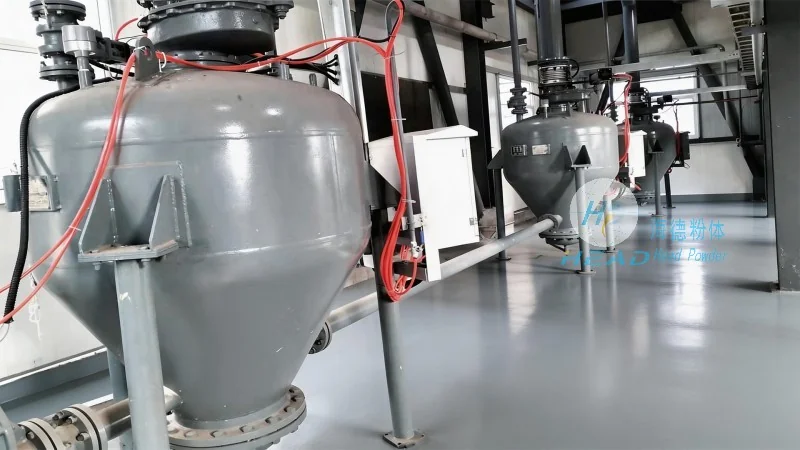
Advantages of Using a Pneumatic Conveying Machine for Ferric Sulfate
Implementing a pneumatic conveying system for ferric sulfate offers several advantages over traditional methods like belt conveyors or bucket elevators. The primary benefit is the reduction in dust generation, which improves workplace safety and compliance with environmental regulations. The closed system also prevents material contamination, ensuring the quality of the ferric sulfate remains consistent. Another advantage is the ability to transport materials over long distances without the need for multiple transfer points, reducing operational costs and downtime. Furthermore, the system's flexibility allows for easy integration with existing production lines, minimizing the need for major infrastructure changes.
Operational Considerations and Maintenance
Proper operation and maintenance are essential to maximize the efficiency and lifespan of a ferric sulfate pneumatic conveying system. Regular inspection of the conveying line for signs of wear or corrosion is necessary to prevent blockages or leaks. The rotary valve and other moving parts should be lubricated and checked for proper alignment to ensure smooth operation. The air compressor and filtration system must be maintained to provide clean, dry air, as moisture or contaminants can affect the material's quality and the system's performance. Additionally, monitoring the pressure and flow rates during operation helps identify any issues early, allowing for timely adjustments or repairs.




