HeadPowder, a leading provider of industrial material handling solutions, specializes in the design and manufacturing of advanced pneumatic conveying systems tailored for diverse applications, including the efficient transport of dust and fly ash materials. This article delves into the fundamental principles of dust material pneumatic conveying machines and explores the key working scene characteristics that define their operational effectiveness in various industrial settings.
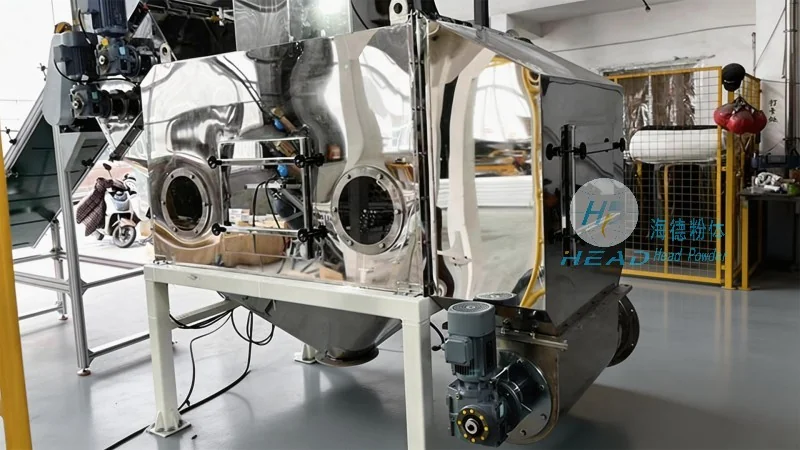
Understanding the Core Principle of Dust Material Pneumatic Conveying Machines
The operation of dust material pneumatic conveying equipment is based on the fundamental principle of using air as a medium to transport particulate materials. There are two primary types of pneumatic conveying systems: suction (or negative pressure) and pressure (or positive pressure) systems. In suction systems, a vacuum is created at the material intake point to draw the material into the conveying line. This method is ideal for applications requiring the collection of materials from multiple sources or for long-distance transport where the material source is at a lower elevation. Conversely, pressure systems use compressed air to push the material through the conveying line, typically suited for short to medium distances and when the material source is at a higher elevation or when the material is sensitive to vacuum-induced degradation.
For dust and fly ash materials, the choice of system depends on factors such as material characteristics (e.g., particle size, moisture content, and abrasiveness), the distance between the source and destination, and the required flow rate. The conveying process involves several key components: a material intake hopper, a rotary airlock or feeder to control material flow, a conveying line (often equipped with bends and straight sections), and a discharge hopper or silo. The air flow is managed by a blower or compressor, which provides the necessary pressure or vacuum to move the material. The interaction between the air and the material particles is critical; the air velocity must be sufficient to overcome the gravitational force acting on the particles and to prevent particle settling within the line.
Key Working Scene Characteristics of Dust Material Pneumatic Conveying Systems
The working scene characteristics of dust material pneumatic conveying machines are defined by their adaptability to different industrial environments and operational requirements. These characteristics include:
1. Versatility in Material Handling: Pneumatic conveying systems are highly versatile and can handle a wide range of dust and fly ash materials, including those with varying particle sizes, densities, and moisture levels. This adaptability makes them suitable for applications in power plants, cement factories, and other industries where dust and ash are generated as byproducts. The ability to transport materials without mechanical contact reduces wear and tear on the equipment, extending its operational lifespan.
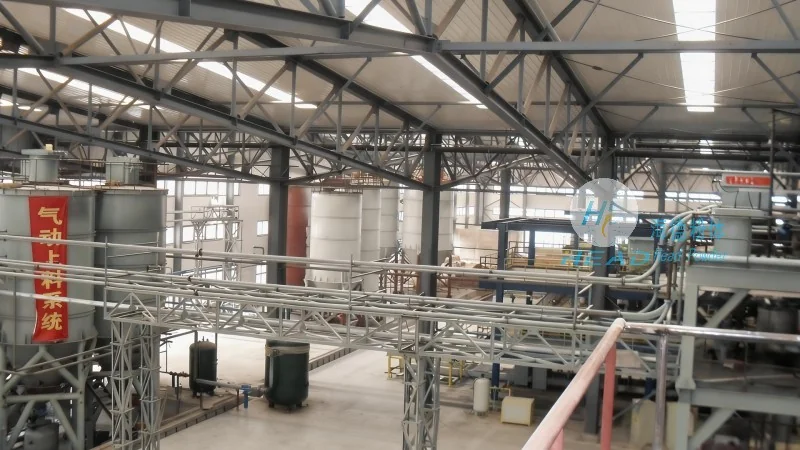
2. Efficient and Hygienic Material Transport: Unlike mechanical conveying methods, pneumatic systems offer a hygienic and dust-free transport solution. The enclosed conveying line prevents material contamination and minimizes the risk of dust dispersion into the environment, which is crucial for compliance with environmental regulations. This feature is particularly important in industries where material purity is essential, such as in food processing or pharmaceutical manufacturing, although the primary focus here is on industrial dust and ash handling.
3. Space Efficiency and Flexibility: Pneumatic conveying systems are highly space-efficient as they do not require large, heavy machinery or extensive infrastructure for material movement. The conveying lines can be installed in various configurations, including vertical, horizontal, or a combination of both, allowing for flexible layout designs. This flexibility is advantageous in industrial settings where space is limited or where the layout needs to be adjusted to accommodate changes in production processes.
4. Reduced Maintenance and Operational Costs: Compared to traditional mechanical conveying systems (such as belt conveyors or screw conveyors), pneumatic conveying systems generally have lower maintenance requirements. The absence of moving parts in the conveying line reduces the risk of mechanical failure, and the use of air as the conveying medium eliminates the need for regular lubrication or replacement of wear parts. Additionally, the energy consumption of pneumatic systems is often lower, contributing to reduced operational costs over the long term.
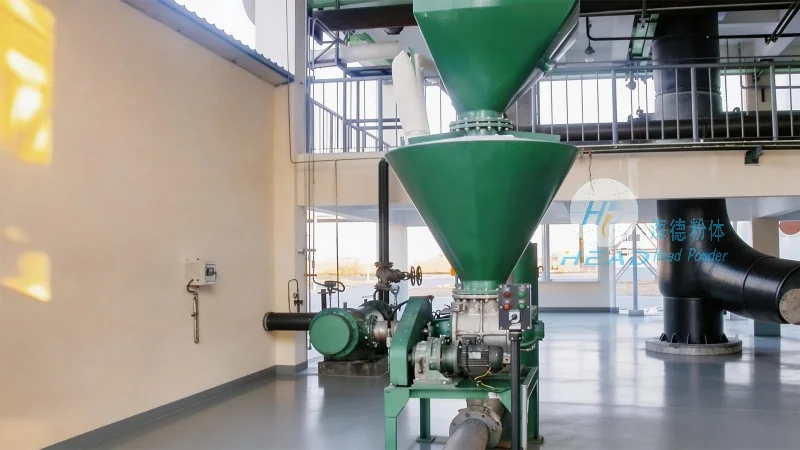
Application Scenarios and Operational Performance
The working scene characteristics of dust material pneumatic conveying machines are further exemplified by their performance in specific industrial applications. For instance, in power plants, these systems are commonly used to transport fly ash from the boiler to the ash storage silos. The suction type of system is often preferred here, as it can efficiently collect ash from multiple points within the boiler house and transport it over long distances to the storage facility. The pressure system may be used for short-distance transport within the plant, such as from the storage silos to the disposal or recycling facilities.
In cement factories, pneumatic conveying systems are employed to transport raw materials like limestone, clay, and iron ore, as well as to handle cement dust and fly ash. The ability to handle abrasive materials without significant wear on the equipment makes these systems ideal for cement production, where material handling is a critical step in the manufacturing process. The systems are designed to maintain consistent material flow rates, ensuring stable production output and minimizing downtime.
Another key application is in the recycling industry, where dust and fly ash materials are often processed and reused as raw materials in other production processes. Pneumatic conveying systems facilitate the efficient transfer of these materials between processing units, such as from a grinding mill to a storage silo or from a silo to a mixing plant. The flexibility and efficiency of these systems contribute to improved overall plant productivity and reduced material handling costs.
Conclusion: The Role of HeadPowder in Providing Advanced Pneumatic Conveying Solutions
HeadPowder Engineering Co., Ltd., based in Shandong, China, is a trusted manufacturer of dust material pneumatic conveying equipment, leveraging years of experience and technical expertise to deliver high-quality solutions tailored to the specific needs of industrial clients. The company's products are designed to meet the demanding requirements of dust and fly ash handling, combining the fundamental principles of pneumatic conveying with advanced engineering to ensure reliable, efficient, and cost-effective operation. By understanding the working scene characteristics and operational requirements of different industrial applications, HeadPowder provides customized solutions that enhance material handling efficiency, reduce environmental impact, and improve overall plant performance.




