HeadPowder, a leading manufacturer based in Shandong, China, specializes in the design and production of advanced pneumatic conveying systems for boron nitride materials. This article provides a detailed overview of the operation process and working principles of such systems, highlighting the technical aspects and operational efficiency that define modern material handling solutions.
Introduction to Boron Nitride Pneumatic Conveying Systems
Boron nitride (BN) is a versatile ceramic material widely used in high-tech industries due to its excellent thermal stability, electrical insulation properties, and lubricity. The efficient and safe transportation of BN powders is crucial for industrial applications, and pneumatic conveying systems offer a reliable solution. These systems utilize air or other gases to transport dry powders through a pipeline network, eliminating the need for mechanical components that might cause contamination or material degradation.
Company Overview: Shandong HeadPowder Engineering Co., Ltd.
HeadPowder, headquartered in Shandong, China, is a professional enterprise dedicated to the research, development, and manufacturing of pneumatic conveying equipment. With years of experience in the field, the company has established itself as a trusted provider of customized solutions tailored to the specific needs of clients in various industries. The company's commitment to quality and innovation ensures that its products meet the highest standards of performance and reliability.
The Operation Process of Boron Nitride Pneumatic Conveying Systems
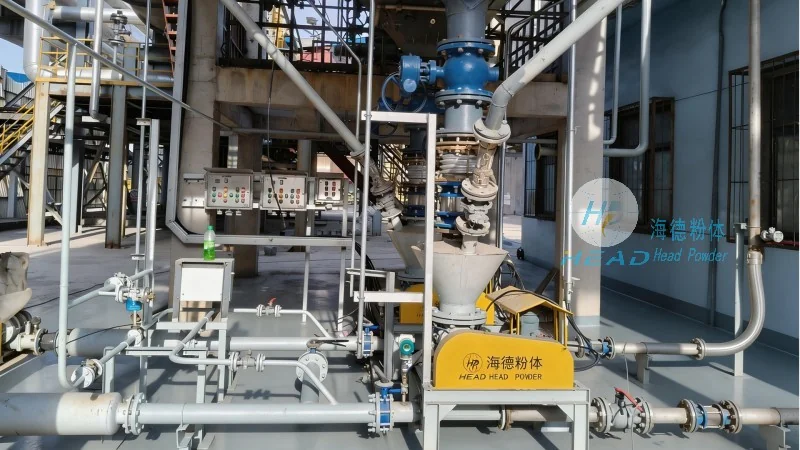
The operation of a boron nitride pneumatic conveying system involves several key steps that ensure the smooth and efficient transport of materials. The process typically begins with the feeding of the BN powder into the system. This is done using a hopper or a feeder that controls the flow rate of the material into the conveying line. The material is then introduced into a pipeline where it is mixed with a high-velocity air stream. The air, often under pressure, carries the powder particles through the system, overcoming the gravitational forces that would otherwise cause the material to settle.
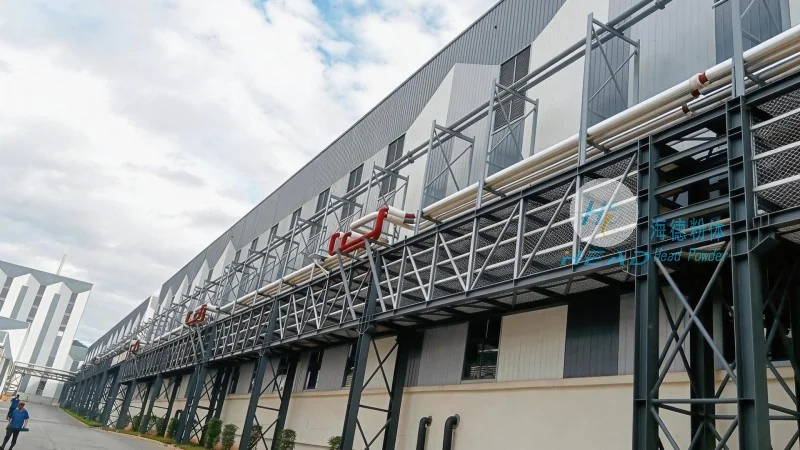
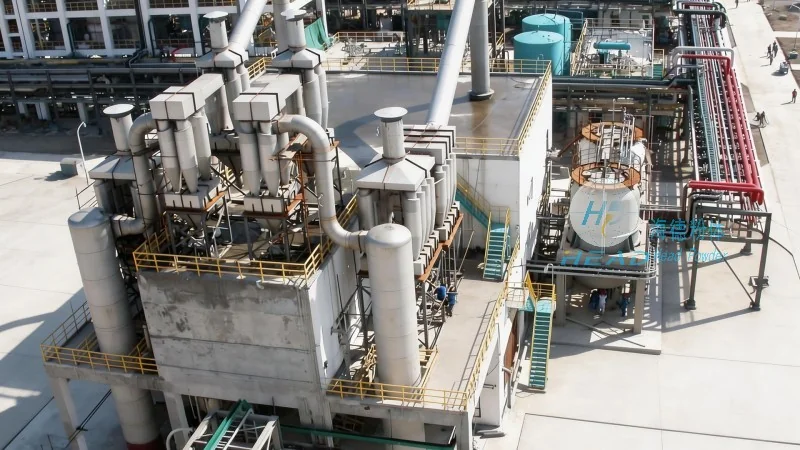
As the mixture travels through the pipeline, it may encounter various components such as bends, elbows, or expansion chambers that help maintain the flow and prevent blockages. The system is designed to handle different particle sizes and flow rates, ensuring that the material is conveyed without degradation or loss. At the receiving end, the air and powder are separated, typically using a cyclone separator or a filter, and the BN powder is collected in a designated container. The air is then discharged or recycled back into the system, depending on the design.
Working Principle of Pneumatic Conveying Systems
The core principle behind pneumatic conveying is the use of air as a medium to transport solid particles. The system operates on the principle of fluid dynamics, where the air velocity is sufficient to keep the powder particles suspended and moving through the pipeline. The pressure differential between the inlet and outlet of the system provides the necessary force to move the material. There are two main types of pneumatic conveying systems: pressure and vacuum. Pressure systems use compressed air to push the material through the line, while vacuum systems use a vacuum to pull the material from the source.
For boron nitride applications, pressure systems are commonly preferred due to their ability to handle higher flow rates and longer distances. The system's design, including the size of the pipeline, the air velocity, and the pressure, is carefully calculated to ensure optimal performance. The use of appropriate materials for the pipeline and components is also critical to prevent contamination and ensure the longevity of the system. HeadPowder's systems are engineered with these principles in mind, ensuring that they can handle the unique properties of boron nitride powders effectively.
Key Components and Their Functions
A boron nitride pneumatic conveying system consists of several key components, each playing a vital role in the overall operation. The main components include the hopper or feeder, the air compressor or vacuum pump, the conveying pipeline, the cyclone separator or filter, and the receiving container. The hopper or feeder is responsible for controlling the flow of the BN powder into the system, ensuring a consistent and controlled feed rate. The air compressor or vacuum pump provides the necessary pressure or vacuum to move the material through the pipeline. The conveying pipeline is designed to withstand the pressure and temperature conditions and to minimize friction losses. The cyclone separator or filter separates the air from the powder at the receiving end, allowing the powder to be collected and the air to be discharged or recycled. The receiving container is used to store the conveyed material, ensuring that it is kept in a clean and dry environment.
Advantages of Using Pneumatic Conveying for Boron Nitride
There are several advantages to using pneumatic conveying systems for the transport of boron nitride powders. One of the primary advantages is the ability to handle the material without causing contamination or degradation. Unlike mechanical systems that may introduce metal particles or other contaminants, pneumatic systems use air as the conveying medium, ensuring that the BN powder remains pure and free from impurities. Another advantage is the flexibility of the system, which can be customized to handle different particle sizes and flow rates. This makes it suitable for a wide range of applications, from small-scale laboratory use to large-scale industrial production.
Additionally, pneumatic conveying systems are energy-efficient and can cover long distances with minimal loss of material. The system's design allows for the integration of various components, such as filters and separators, to ensure that the material is handled in a clean and controlled manner. HeadPowder's systems are designed with these advantages in mind, providing clients with reliable and efficient solutions for their boron nitride material handling needs.
Conclusion
Boron nitride pneumatic conveying systems are an essential part of modern material handling solutions, offering efficient, safe, and reliable transport of this versatile ceramic material. HeadPowder, with its expertise and commitment to quality, provides advanced systems that meet the specific needs of clients in various industries. By understanding the operation process and working principles of such systems, users can appreciate the technical sophistication and operational efficiency that define these solutions. Whether for industrial production or research applications, pneumatic conveying systems offer a superior alternative to traditional material handling methods.




