HeadPowder, a leading engineering company based in Shandong, China, specializes in the design and implementation of advanced pneumatic conveying systems for the food industry. This article provides a detailed overview of the operation process and working principles of a typical baking flour pneumatic conveying system, highlighting the key components, operational steps, and the technology behind efficient flour transport.
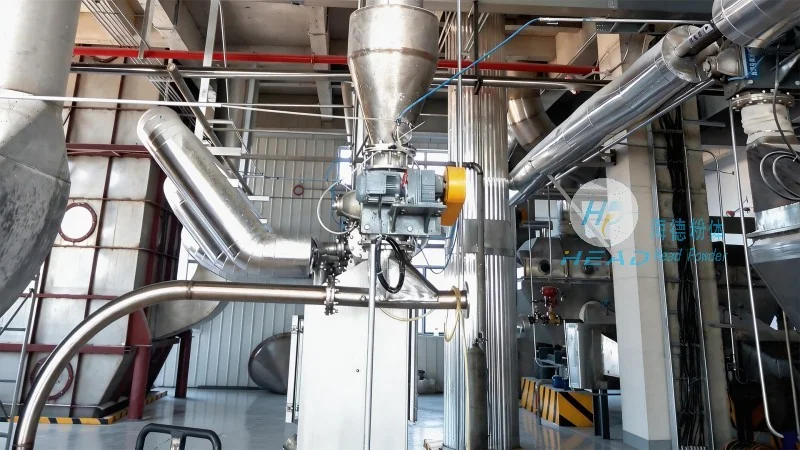
Introduction to Baking Flour Pneumatic Conveying Systems
Baking flour pneumatic conveying systems are essential in modern food processing facilities, enabling the safe, efficient, and hygienic transport of flour and other fine powders from storage silos to production lines. These systems utilize air pressure to move materials, eliminating the need for mechanical components that could cause contamination or damage to the product. The system is designed to maintain product quality, ensure operational safety, and optimize workflow in bakeries and flour mills.
Key Components of the Pneumatic Conveying System
The core components of a baking flour pneumatic conveying system include the hopper, feeder, air compressor, conveying line, and receiver. Each component plays a critical role in the overall operation:
1. **Hopper**: The hopper is the storage vessel where raw baking flour is stored. It is typically made of stainless steel to ensure hygiene and durability. The hopper is equipped with a discharge valve that controls the flow of flour into the feeder.
2. **Feeder**: The feeder is responsible for regulating the flow of flour from the hopper to the conveying line. Common types include rotary valves or screw feeders, which provide a consistent and controlled feed rate to maintain system efficiency.
3. **Air Compressor**: The air compressor generates the necessary air pressure to move the flour through the conveying line. It is usually equipped with a filter and regulator to ensure clean, dry air, which is crucial for preventing product contamination and system blockages.
4. **Conveying Line**: The conveying line is a flexible or rigid pipe that transports the flour and air mixture. The design of the line, including bends and fittings, is optimized to minimize pressure drop and prevent material buildup. The line is often equipped with cleaning mechanisms to maintain system performance.
5. **Receiver**: The receiver is the final storage vessel where the flour is deposited after being conveyed from the hopper. It is designed to handle the incoming flow and distribute the flour to the production line or packaging equipment.
Operation Process of the Pneumatic Conveying System
The operation of a baking flour pneumatic conveying system involves several sequential steps, each ensuring the smooth and efficient transport of flour:
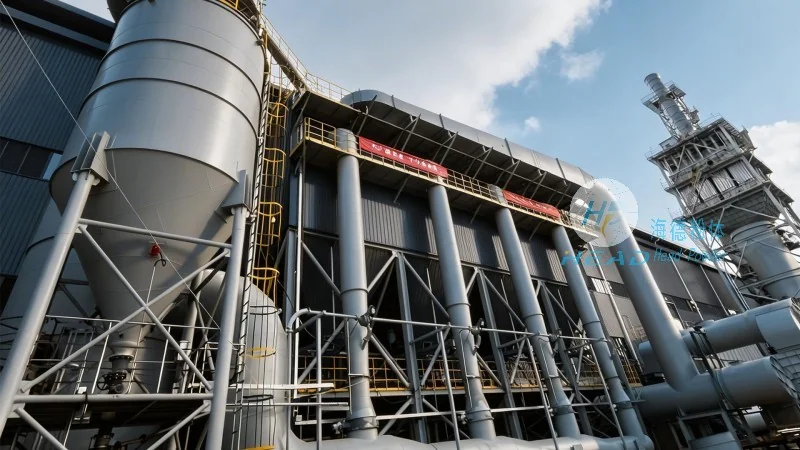
1. **Initial Setup and Preparation**: The system is started by activating the air compressor, which builds up pressure in the conveying line. The hopper is filled with baking flour, and the feeder is adjusted to the desired flow rate.
2. **Material Feeding**: The feeder regulates the flow of flour from the hopper into the conveying line. As the flour enters the line, it is mixed with the compressed air from the compressor.
3. **Conveying and Transport**: The air pressure propels the flour mixture through the conveying line. The combination of air and flour creates a slurry that moves efficiently, with the air providing the necessary force to overcome resistance and move the material.
4. **Deposition and Collection**: Upon reaching the receiver, the air and flour separate. The air is typically vented to the atmosphere or recirculated, while the flour is collected in the receiver. The receiver is then connected to the production line for further processing or packaging.
5. **System Maintenance and Monitoring**: Throughout the operation, the system is monitored for pressure, flow, and any signs of blockage or contamination. Regular maintenance, such as cleaning the conveying line and replacing filters, is performed to ensure optimal performance and product quality.
Working Principles of the Pneumatic Conveying System
The working principle of a pneumatic conveying system is based on the physics of fluid dynamics and the interaction between air and solid particles. The system operates on the principle of creating a pressure differential between the hopper and the receiver, which drives the movement of the flour:
1. **Air Pressure Generation**: The air compressor generates a high-pressure air stream. This air is introduced into the conveying line at a controlled rate, creating a pressure gradient that pushes the flour forward.
2. **Particle Suspension**: The compressed air suspends the flour particles in the air stream. The velocity of the air is sufficient to keep the particles in suspension, preventing them from settling or clogging the line.
3. **Pressure Drop Management**: The system is designed to manage pressure drop along the conveying line. Proper sizing of the line and use of appropriate fittings minimize pressure loss, ensuring efficient transport over longer distances.
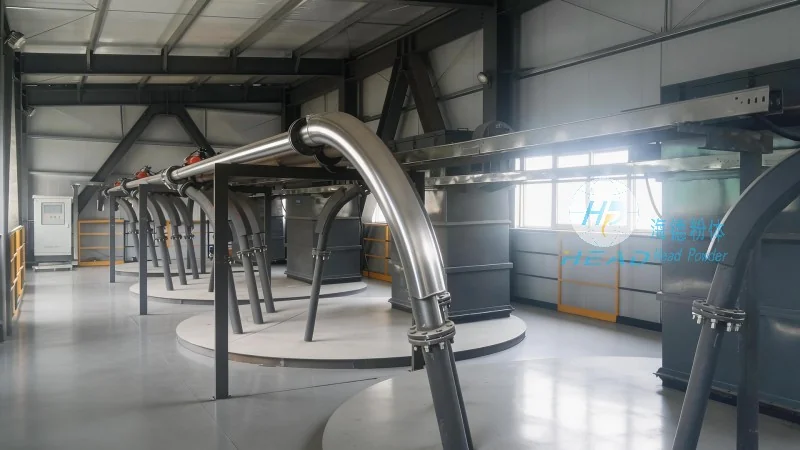
4. **Separation and Collection**: At the receiver, the air and flour separate due to differences in density. The air is vented, and the flour is collected in the receiver. This separation is critical for maintaining product purity and preventing air from entering the production line.
Benefits of Using a Baking Flour Pneumatic Conveying System
Implementing a pneumatic conveying system for baking flour offers several advantages over traditional mechanical conveying methods:
1. **Hygienic and Clean Operation**: The system is enclosed, reducing the risk of contamination from external sources. Stainless steel components and easy-to-clean designs maintain product hygiene.
2. **Efficient and Continuous Transport**: The system provides a continuous flow of flour, eliminating the need for manual handling and reducing downtime. This improves production efficiency and consistency.
3. **Reduced Product Damage**: The air-based transport minimizes mechanical stress on the flour particles, preserving their quality and texture. This is particularly important for baking flour, which can be sensitive to handling.
4. **Space-Saving Design**: Pneumatic conveying systems are compact and can be installed in various layouts, making them suitable for facilities with limited space. The flexible lines allow for easy reconfiguration as production needs change.
5. **Cost-Effective and Low Maintenance**: While the initial investment may be higher, the long-term operational costs are lower due to reduced labor and maintenance requirements. The system’s durability and reliability reduce the need for frequent repairs.
Conclusion
HeadPowder’s pneumatic conveying systems for baking flour are engineered to meet the highest standards of efficiency, hygiene, and reliability. By understanding the operation process and working principles, food processing facilities can optimize their workflow, improve product quality, and enhance overall operational performance. The advanced technology and robust design of these systems ensure that baking flour is transported safely and effectively, supporting the success of modern bakeries and flour mills.




