Ammonia fertilizer is a vital nutrient source in modern agriculture, supporting crop growth and productivity. The safe and efficient handling of ammonia fertilizer is essential, which is where pneumatic conveying equipment becomes critical. This article explores the operation process and working principle of ammonia fertilizer pneumatic conveying equipment, detailing the key components, operational steps, and technological advancements that ensure optimal performance and safety.
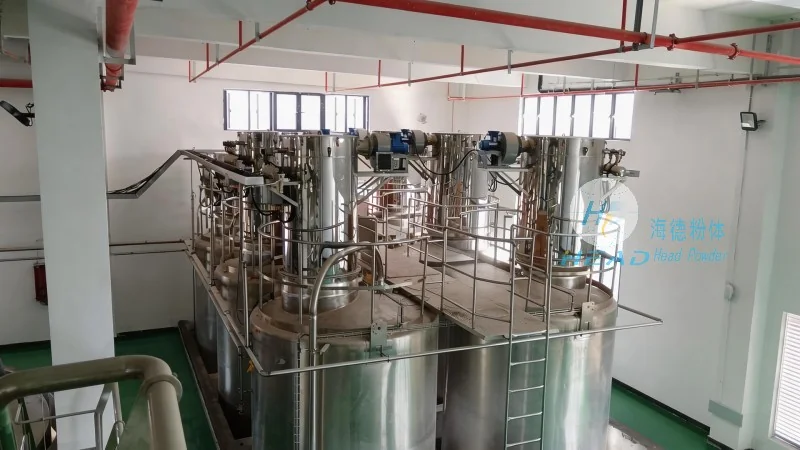
Introduction to Ammonia Fertilizer Pneumatic Conveying Equipment
Ammonia fertilizer, often in anhydrous or aqueous forms, requires specialized equipment for transport due to its corrosive and volatile nature. Pneumatic conveying systems utilize air or gas to move bulk materials through pipelines, providing a safe and efficient alternative to traditional methods like truck transport or manual handling. The equipment is typically engineered by companies such as Shandong HeadPowder Engineering Co., Ltd., a leading manufacturer in the industry, known for their robust and reliable solutions tailored to the demands of agricultural applications.
Key Components of the Pneumatic Conveying System
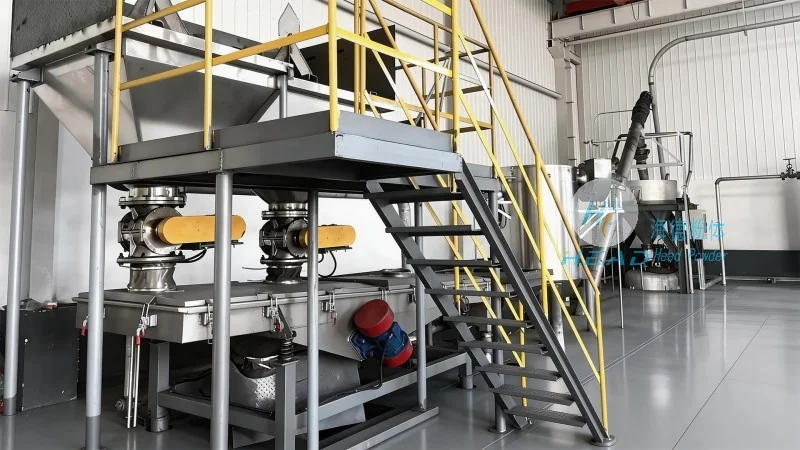
The ammonia fertilizer pneumatic conveying system comprises several critical components that work in unison to achieve effective material transport. The primary components include the hopper or feeder, which stores and meters the fertilizer into the system; the conveying line, a network of pipes that transports the material; the air compressor or blower, which generates the necessary air pressure; and the control system, which regulates flow and pressure. Additional components may include dust collection systems, safety valves, and pressure relief devices to ensure operational safety and compliance with environmental regulations. Each component is designed to withstand the corrosive properties of ammonia fertilizer and maintain high operational efficiency.
Working Principle of the Conveying Process
The operation of the ammonia fertilizer pneumatic conveying system begins with the loading of fertilizer into the hopper. The feeder then controls the material flow into the conveying line at a consistent rate. Simultaneously, the air compressor supplies compressed air into the line, creating a pressure differential that propels the fertilizer particles forward. The air and material mixture travels through the pipeline, with the air providing the necessary force to move the solid particles. As the mixture reaches the discharge point, the air is separated from the fertilizer, often using a cyclone or filter system, and the fertilizer is deposited into the target storage or application equipment. The control system continuously monitors parameters like pressure, flow rate, and temperature to maintain optimal conditions and prevent system failures.
Operation Process: Step-by-Step Overview
The operation process of the ammonia fertilizer pneumatic conveying equipment can be broken down into systematic steps. First, the system is prepared for operation, which involves checking the air compressor, ensuring the hopper is filled with fertilizer, and verifying that all safety valves and controls are functioning correctly. Next, the air compressor is activated, and the feeder is started to initiate the material flow. The system then operates continuously, with the control system adjusting the air pressure and material feed rate as needed to maintain a stable flow. During operation, operators monitor the system for any signs of pressure drops, blockages, or abnormal temperatures. If any issues arise, the control system automatically shuts down the system or alerts the operator to take corrective action. Finally, when the fertilizer has been fully transferred, the system is shut down, and the air compressor is turned off. The hopper is then emptied, and the system is prepared for the next batch of fertilizer.
Technological Advancements and Safety Features
Modern ammonia fertilizer pneumatic conveying equipment incorporates advanced technologies to enhance performance and safety. These include real-time monitoring systems with automated adjustments, which improve efficiency and reduce human error. Materials such as corrosion-resistant alloys are used in construction to withstand the harsh conditions of ammonia fertilizer. Safety features like pressure relief valves, leak detection systems, and emergency shutdown buttons are integrated to prevent accidents and ensure compliance with environmental regulations. These advancements not only improve operational efficiency but also contribute to a safer working environment for personnel.
Applications and Benefits in Agricultural Settings
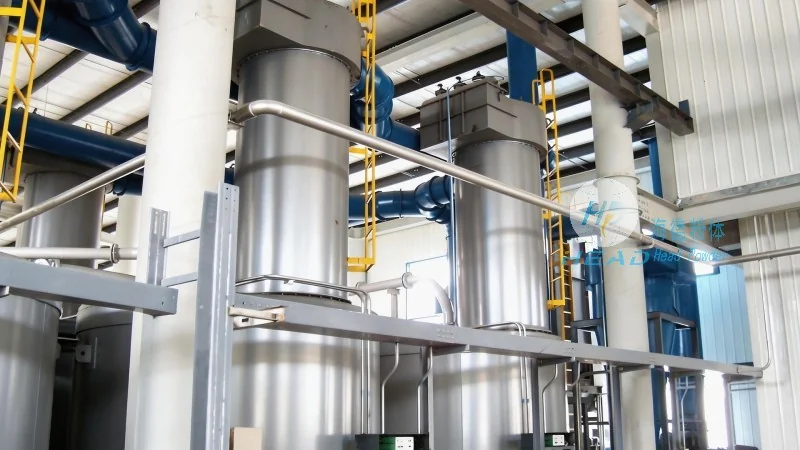
Ammonia fertilizer pneumatic conveying equipment is widely used in agricultural settings for the efficient transport of fertilizer from storage to application sites. The benefits of this equipment include increased operational efficiency, reduced labor costs, and improved safety compared to traditional methods. Continuous operation allows for timely fertilizer delivery during peak application seasons. The ability to transport ammonia fertilizer over long distances without intermediate storage reduces the risk of spoilage and loss. The reliability of the system, as provided by manufacturers like Shandong HeadPowder Engineering Co., Ltd., ensures consistent and timely fertilizer delivery, ultimately supporting higher crop yields and sustainable agricultural productivity.
Conclusion: The Importance of Reliable Pneumatic Conveying Solutions
In conclusion, the operation process and working principle of ammonia fertilizer pneumatic conveying equipment are fundamental to the efficient and safe handling of this essential agricultural product. The system’s design, incorporating robust components and advanced control technologies, ensures optimal performance while maintaining stringent safety standards. Companies like Shandong HeadPowder Engineering Co., Ltd. play a crucial role in providing these solutions, advancing agricultural practices and supporting sustainable farming operations. As the demand for efficient fertilizer handling grows, the importance of reliable pneumatic conveying equipment cannot be overstated, making it an indispensable component in modern agricultural infrastructure.




