HeadPowder, a leading manufacturer in the field of industrial material handling, specializes in providing efficient and reliable solutions for transporting cocoa and other bulk materials. The company, based in Shandong, China, has developed advanced pneumatic conveying systems tailored to the unique characteristics of cocoa processing. This article delves into the detailed operation process and working principles of their cocoa pneumatic conveying equipment, highlighting the technical aspects and practical applications.
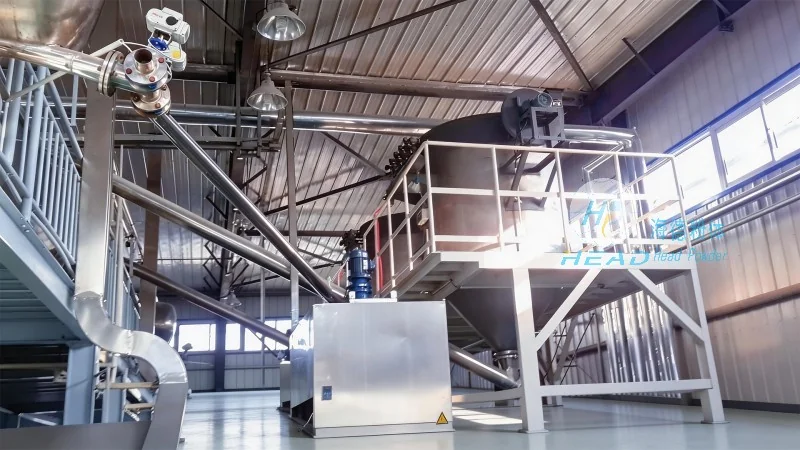
Understanding Pneumatic Conveying Technology
Pneumatic conveying is a method of transporting bulk materials through a pipeline using air or gas as the conveying medium. Unlike mechanical conveying systems, which rely on mechanical components like belts or screws, pneumatic systems utilize the force of compressed air to move materials. For cocoa, which is often in the form of powder or granules, this technology offers several advantages, including minimal product degradation, reduced contamination risk, and the ability to handle materials in a closed system. HeadPowder’s equipment is designed to optimize these benefits while ensuring high efficiency and durability.
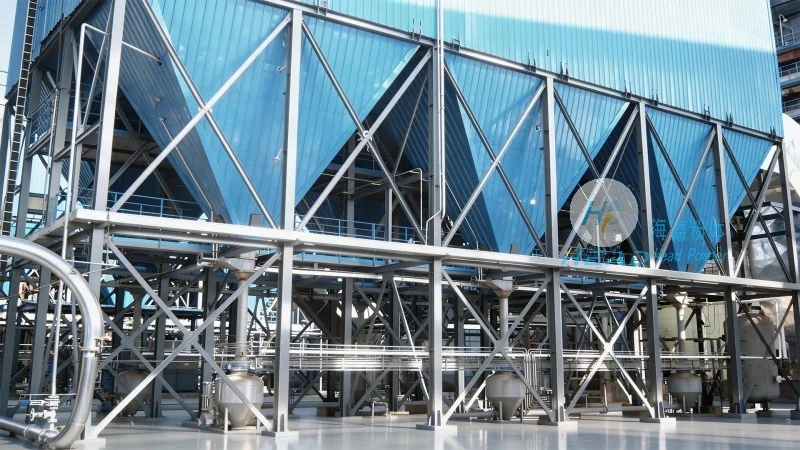
The Core Components of Cocoa Pneumatic Conveying Systems
HeadPowder’s cocoa pneumatic conveying systems consist of several key components that work in tandem to ensure smooth operation. The primary components include the hopper, which serves as the material storage and feeding unit; the air compressor, which generates the necessary pressure to move the material; the conveying line, which transports the material from the source to the destination; and the receiver, where the material is deposited. Each component is engineered to handle the specific properties of cocoa, such as its fine particle size and potential for dust generation. The hopper is typically equipped with a feeder to control the flow rate, preventing overloading or underloading of the system. The air compressor is chosen based on the required pressure and flow rate, ensuring sufficient force to overcome resistance in the pipeline. The conveying line is made of materials resistant to corrosion and abrasion, such as stainless steel or special coatings, to withstand the abrasive nature of cocoa particles. The receiver is designed to collect the material efficiently, minimizing spillage and ensuring a clean discharge.
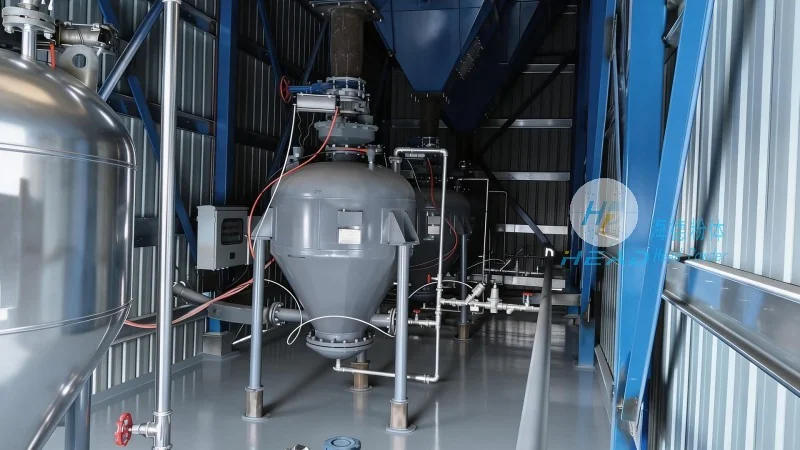
Step-by-Step Operation Process
The operation of HeadPowder’s cocoa pneumatic conveying equipment follows a systematic process, which can be broken down into several key steps. The first step involves loading the cocoa into the hopper. The hopper is typically equipped with a lid to prevent dust from escaping and a level indicator to monitor the material level. Once the hopper is filled, the feeder starts to discharge the material at a controlled rate. The feeder is usually a rotary valve or a screw feeder, which ensures a consistent flow of material into the conveying line. The second step is the generation of compressed air. The air compressor, which is connected to the conveying line, starts operating and builds up pressure in the system. The pressure is then used to create a flow of air through the pipeline, which carries the cocoa particles along with it. The third step is the transportation of the material. As the compressed air flows through the conveying line, it creates a negative pressure at the inlet of the hopper and a positive pressure at the outlet of the receiver. This pressure differential drives the cocoa particles through the pipeline. The fourth step is the deposition of the material. At the end of the conveying line, the receiver is positioned to collect the cocoa. The receiver is equipped with a discharge valve, which opens to allow the material to be deposited into the target container or storage area. The fifth step is the system shutdown. Once the material has been transferred, the air compressor is turned off, and the system is depressurized. The feeder and other components are then stopped to prevent any further movement of material.
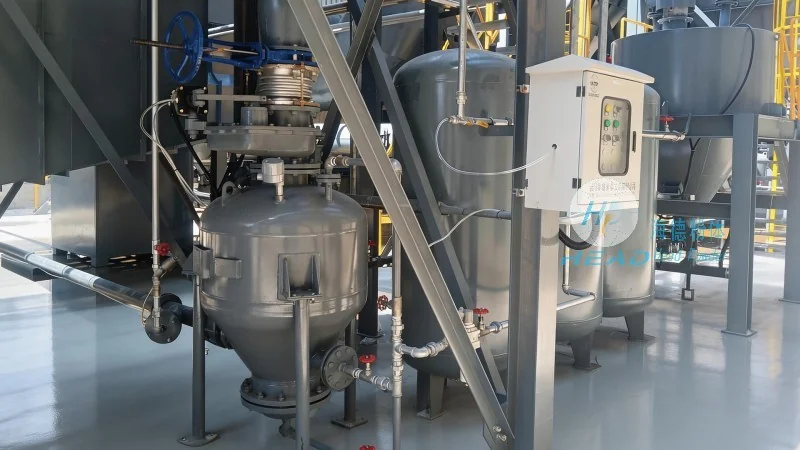
Working Principle Explained
The working principle of HeadPowder’s cocoa pneumatic conveying equipment is based on the principle of fluidization and the use of pressure differentials. When compressed air is introduced into the conveying line, it creates a flow of air that moves through the pipeline. The cocoa particles are suspended in this air stream and are carried along with it. The key to efficient conveying is maintaining a balance between the air velocity and the particle size. If the air velocity is too low, the particles will settle and cause blockages. If the air velocity is too high, the particles will be carried too quickly, leading to excessive energy consumption and potential damage to the equipment. HeadPowder’s systems are designed to optimize this balance, ensuring that the air velocity is sufficient to transport the cocoa particles without causing excessive wear or energy loss. The system also uses a series of valves and controls to regulate the flow of air and material, ensuring that the process is smooth and efficient.




