Desulfurization and dust removal processes in power plants and industrial facilities generate large volumes of ash and sludge. Efficient handling of these byproducts is crucial for maintaining operational efficiency and environmental compliance. The pneumatic conveying line for desulfurization and dust removal ash, developed by Shandong HeadPowder Engineering Co., Ltd., offers a reliable solution to transport these materials from collection points to disposal or recycling sites. This article explores the operation process and working principle of this system, highlighting its key components and operational steps.
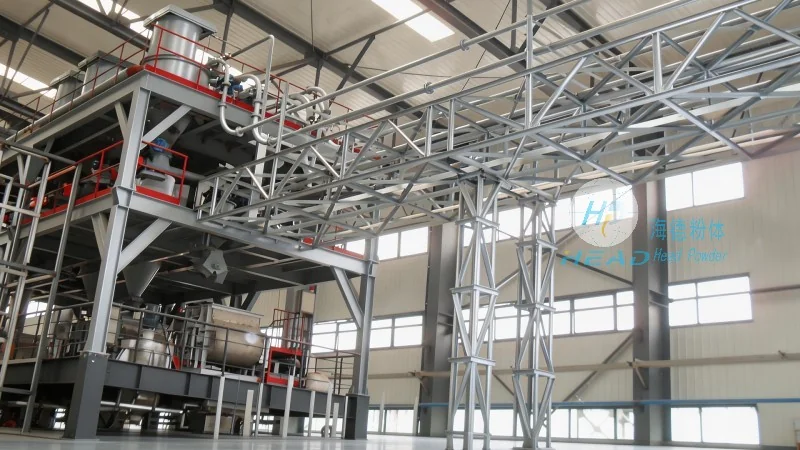
Overview of the Pneumatic Conveying System
The pneumatic conveying line for desulfurization and dust removal ash is a closed-loop system designed to transport fine particulate materials, such as fly ash and bottom ash, using compressed air or vacuum. The system typically consists of several key components, including a hopper for material storage, a feeder to control the flow rate, a conveying pipe network, a dust separator to clean the air, and a discharge unit for the ash. Each component plays a critical role in ensuring the smooth and efficient operation of the entire system.
Working Principle of the Pneumatic Conveying Line
The operation of the pneumatic conveying line is based on the principle of air flow to move particulate materials. There are two main types of pneumatic conveying systems: positive pressure (or pressure) systems and negative pressure (or vacuum) systems. The choice between these depends on the material characteristics, distance to be conveyed, and system design requirements.
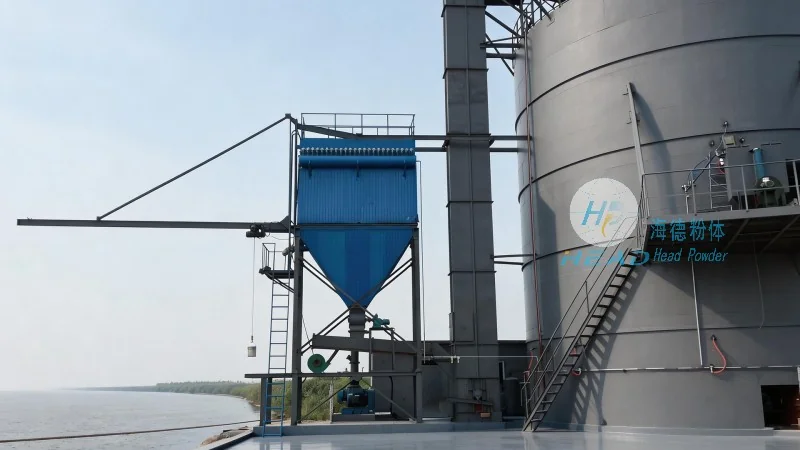
In a positive pressure system, compressed air is supplied to the conveying pipe, creating a pressure higher than the ambient air pressure. The material is fed into the pipe at the inlet, and the air flow propels the material forward. The air and material mixture then passes through a filter or cyclone separator, where the air is cleaned and the ash is collected. The cleaned air is typically discharged to the atmosphere, while the ash is discharged into a storage or disposal container.
In a negative pressure system, a vacuum is created at the discharge end of the pipe, drawing the material and air into the pipe. The material is then transported to the collection point, where the air is filtered and the ash is separated. This system is often used for shorter distances or when the material is sensitive to high pressure.
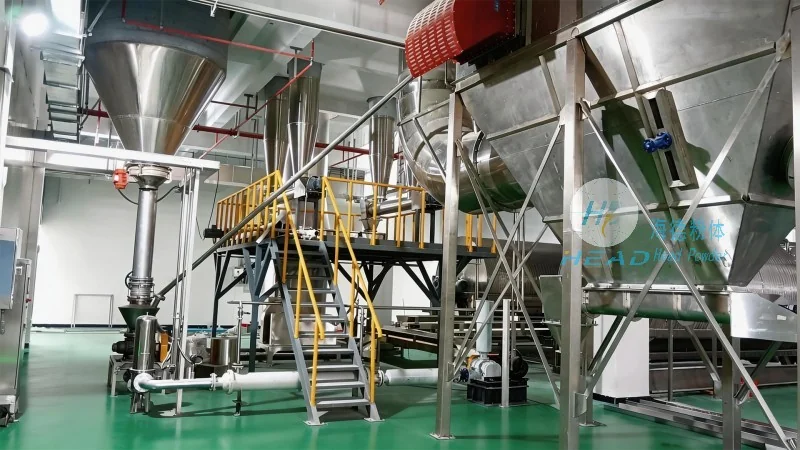
Operation Process of the Desulfurization and Dust Removal Ash Pneumatic Conveying Line
The operation process of the system involves several sequential steps, each carefully controlled to ensure optimal performance and material handling. The following is a detailed breakdown of the typical operation process:
- Material Storage and Preparation: The ash generated from the desulfurization and dust removal processes is collected in a hopper or silo. The material is then fed into the pneumatic conveying system via a feeder, which controls the flow rate to match the conveying capacity of the system.
- Conveying Initiation: Compressed air is supplied to the conveying pipe, creating the necessary pressure or vacuum to start the material flow. The feeder opens, and the ash is introduced into the pipe along with the air. The air flow velocity is maintained at a level sufficient to keep the material suspended and transported.
- Transportation Through the Pipe Network: The ash and air mixture travels through the conveying pipe network, which may include bends, branches, and expansion joints. The design of the pipe network is critical to minimize pressure losses and ensure consistent material flow. The system may include pressure regulators and flow meters to monitor and adjust the air flow and material flow rates.
- Dust Separation and Air Cleaning: At the discharge end of the system, the ash and air mixture enters a dust separator, such as a cyclone or bag filter. The separator separates the ash from the air, allowing the air to be cleaned and discharged to the atmosphere. The separated ash is collected in a hopper or container for further disposal or recycling.
- System Monitoring and Control: The entire system is equipped with sensors and control devices to monitor key parameters, such as pressure, flow rate, and temperature. These parameters are continuously monitored and adjusted to maintain optimal operation. The system may also include alarms and safety features to prevent overpressure or other operational issues.
Key Features and Benefits of the Pneumatic Conveying Line
The pneumatic conveying line for desulfurization and dust removal ash offers several advantages over traditional methods of ash handling, such as bucket elevators or belt conveyors. These advantages include:
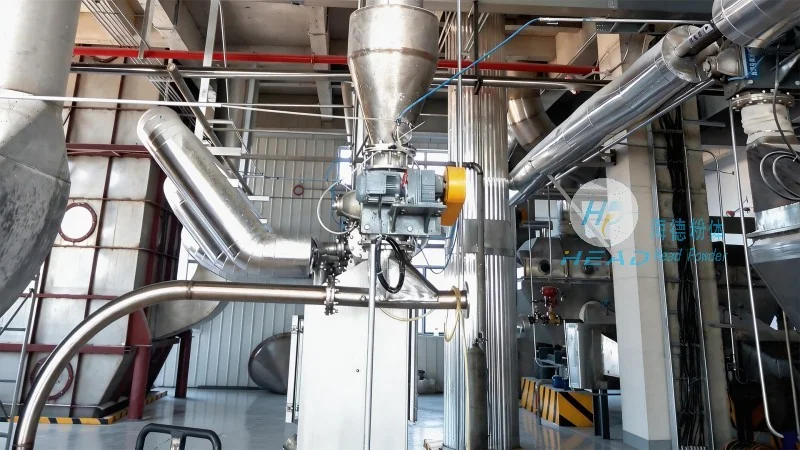
- Efficient Material Transport: The system can transport ash over long distances with minimal pressure loss, ensuring consistent material flow.
- Reduced Labor and Maintenance: The closed-loop design reduces the need for manual handling and minimizes maintenance requirements, as the system is less prone to wear and tear compared to mechanical conveyors.
- Environmental Compliance: The system includes dust separation and air cleaning components, ensuring that the air discharged from the system meets environmental regulations and does not contribute to air pollution.
- Flexibility and Scalability: The system can be designed to handle varying ash volumes and can be easily expanded or modified to accommodate changes in operational requirements.
About Shandong HeadPowder Engineering Co., Ltd.
Shandong HeadPowder Engineering Co., Ltd. is a leading manufacturer and supplier of pneumatic conveying systems and related equipment. With years of experience in the industry, the company specializes in designing and manufacturing customized solutions for various industrial applications, including power plants, cement factories, and waste management facilities. The company's products are known for their high quality, reliability, and efficiency, and are widely used in both domestic and international markets.
HeadPowder Engineering is committed to providing innovative and sustainable solutions for ash handling and material transport. The company's team of engineers and technicians work closely with clients to understand their specific needs and develop tailored solutions that meet their operational and environmental requirements. With a focus on quality and customer satisfaction, HeadPowder Engineering has built a strong reputation in the industry as a trusted partner for industrial material handling solutions.




