For industrial applications involving the handling of sawdust and wood flakes, pneumatic conveying systems offer an efficient and reliable solution. The operation of such lines is designed to transport these lightweight, often abrasive materials from one location to another, ensuring minimal product degradation and operational efficiency. This article explores the step-by-step process and underlying principles that govern the functionality of sawdust and wood flakes pneumatic conveying lines.
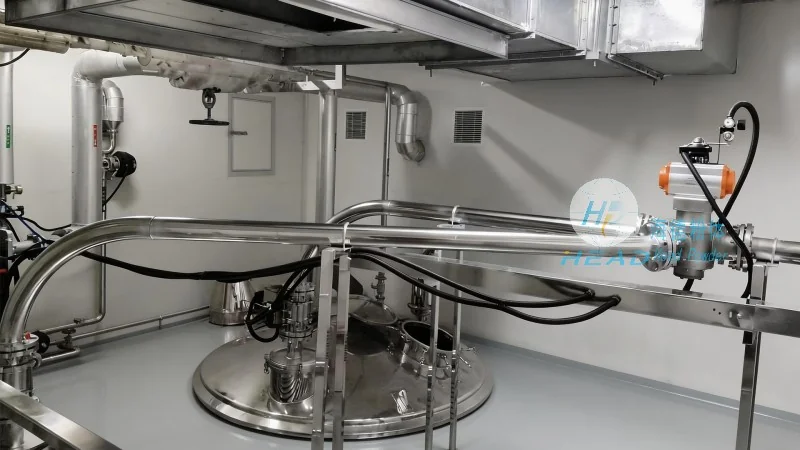
Company Overview: HeadPowder Engineering
HeadPowder, formally known as Shandong HeadPowder Engineering Co., Ltd., is a leading manufacturer specializing in the design and production of pneumatic conveying equipment. With a strong presence in China, particularly in Shandong, the company has established itself as a trusted provider of solutions tailored to the unique challenges of handling sawdust and wood flakes. Their expertise lies in creating systems that optimize material flow, reduce downtime, and enhance overall productivity for clients in various industries.
The Core Components of Pneumatic Conveying Systems
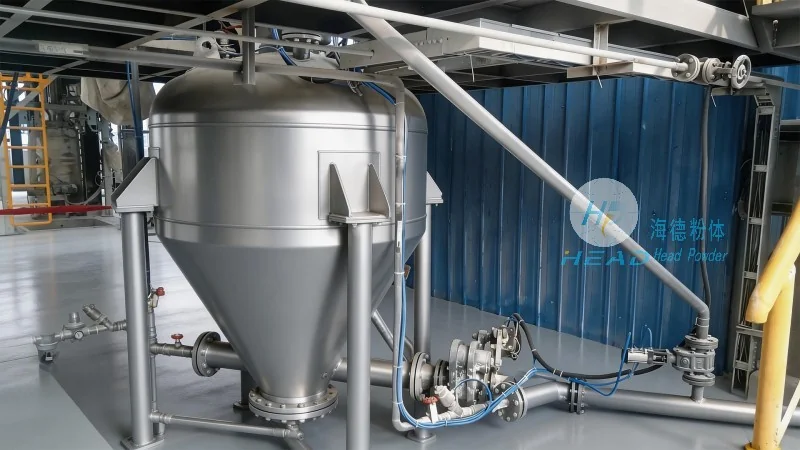
A pneumatic conveying line typically consists of several key components that work in tandem to achieve effective material transport. These include the material hopper, which serves as the initial storage and feeding point; the conveyor itself, which may be of the positive or negative pressure type depending on the system design; and the discharge unit, responsible for delivering the material to its final destination. In the case of sawdust and wood flakes, specialized hoppers and feeders are often used to ensure consistent material flow, as these materials can be prone to bridging or uneven discharge.
The Working Principle: How Pneumatic Conveying Transports Sawdust and Wood Flakes
The fundamental principle behind pneumatic conveying is the use of air to move material particles through a pipeline. In a positive pressure system, air is forced into the conveyor line, carrying the sawdust or wood flakes along with it. The air velocity is carefully controlled to maintain a stable suspension of the material, preventing blockages and ensuring smooth transport. Conversely, a negative pressure system draws air and material from the source, creating a vacuum that pulls the material through the line. For sawdust and wood flakes, the choice between positive and negative pressure often depends on the distance to be covered and the specific characteristics of the material, such as its density and moisture content.
Step-by-Step Operation of a Sawdust and Wood Flakes Pneumatic Conveying Line
The operation of a sawdust and wood flakes pneumatic conveying line involves a series of coordinated steps that ensure efficient material handling. The process begins with the loading of sawdust or wood flakes into the material hopper. A feeder, such as a rotary valve or a screw feeder, then regulates the flow of material into the conveyor line. As the material enters the pipeline, it is mixed with air, which is supplied by a blower or fan. The air flow is adjusted to maintain the appropriate velocity, ensuring that the material remains suspended and moves steadily through the system. The conveying line may include bends, expansions, or other components that help direct the material to the discharge point. Finally, the material is discharged from the line into a collection bin or processing unit, completing the transport cycle.
Key Considerations for Optimal Performance
Several factors contribute to the optimal performance of a sawdust and wood flakes pneumatic conveying line. First, the selection of the correct air velocity is critical. If the velocity is too low, the material may settle and cause blockages; if it is too high, excessive energy consumption and potential wear on the system components may occur. Second, the design of the hopper and feeder is essential to prevent material bridging or uneven discharge, which can disrupt the flow. Third, regular maintenance of the blower, filters, and other components is necessary to ensure consistent performance and prevent downtime. Additionally, the material's moisture content and particle size distribution must be considered, as these factors can affect the conveying efficiency and system design.
Benefits of Using Pneumatic Conveying for Sawdust and Wood Flakes
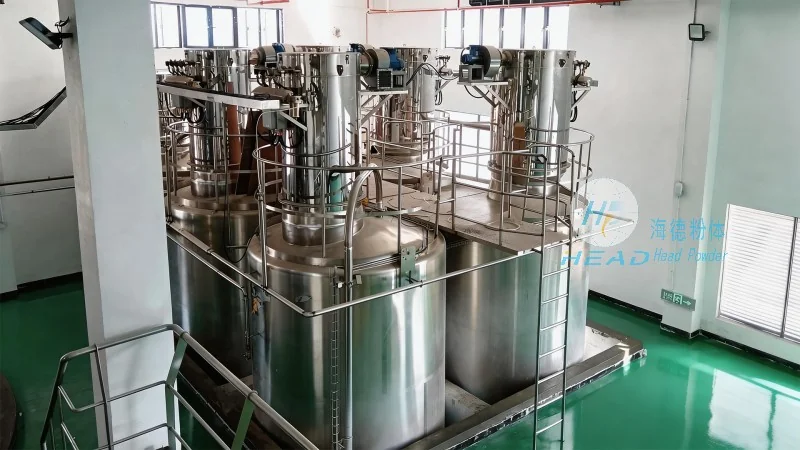
Implementing a pneumatic conveying system for sawdust and wood flakes offers numerous benefits. These systems are capable of handling large volumes of material with minimal labor, reducing the need for manual handling and associated risks. The enclosed pipeline design prevents dust emissions, improving workplace safety and compliance with environmental regulations. Furthermore, pneumatic conveying systems can be integrated with other processing equipment, such as dryers or pelletizers, to create a seamless production line. The flexibility of these systems allows for easy expansion or modification as production needs change, providing long-term value for the investment.
Conclusion
Sawdust and wood flakes pneumatic conveying lines are sophisticated systems that combine engineering principles with practical application to efficiently transport these materials. By understanding the operation process and working principles, as well as the key considerations for optimal performance, industries can leverage these systems to enhance productivity, ensure product quality, and maintain a safe working environment. With the expertise of companies like Shandong HeadPowder Engineering Co., Ltd., businesses can access reliable and tailored solutions that meet their specific material handling needs.




