Graphite powder conveying is a critical process in various industrial applications, particularly in the manufacturing and processing of graphite-based materials. The efficient handling of graphite powders is essential for maintaining product quality, ensuring safety, and optimizing production efficiency. This article delves into the operation process and working principles of graphite powder conveying systems, highlighting the key components, mechanisms, and best practices employed by industry leaders like Shandong HeadPowder Engineering Co., Ltd. (commonly known as headpowder).
Key Components of Graphite Powder Conveying Systems
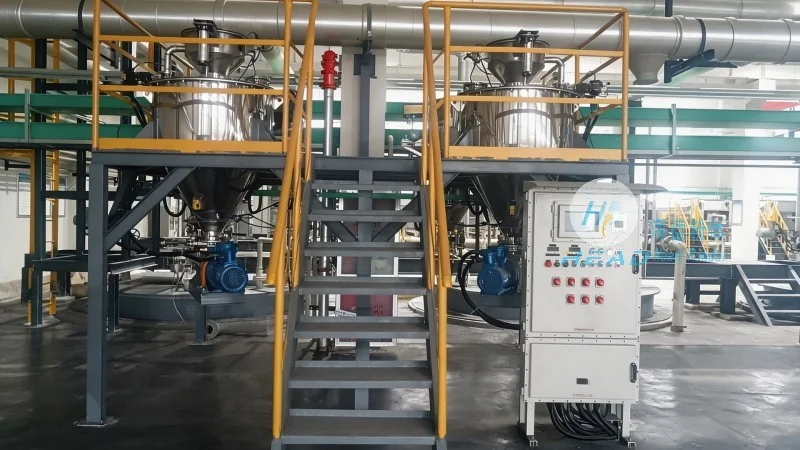
The operation of graphite powder conveying systems relies on a combination of specialized equipment designed to handle the unique properties of graphite powders. These systems typically include feeders, conveyors, and control mechanisms that work in tandem to ensure smooth and consistent material flow. Feeders, such as rotary valves or screw feeders, are used to regulate the flow rate of graphite powder from storage silos or hoppers. Conveyors, which may include pneumatic or mechanical systems, transport the powder through pipelines or ducts to the processing or packaging areas. Control systems, often integrated with sensors and automation technology, monitor and adjust the conveying parameters to maintain optimal performance.
Working Principle of Graphite Powder Conveying
The working principle of graphite powder conveying involves the use of air or mechanical force to move the powder from the source to the destination. In pneumatic conveying systems, compressed air is used to create a flow of air and powder mixture through the conveying line. The air pressure and velocity are carefully controlled to prevent particle segregation and ensure uniform distribution. Mechanical conveying systems, on the other hand, use rotating components like screws or belts to physically move the powder. Both methods have their advantages and are selected based on factors such as material characteristics, distance, and system complexity.
Process Flow and Operational Steps
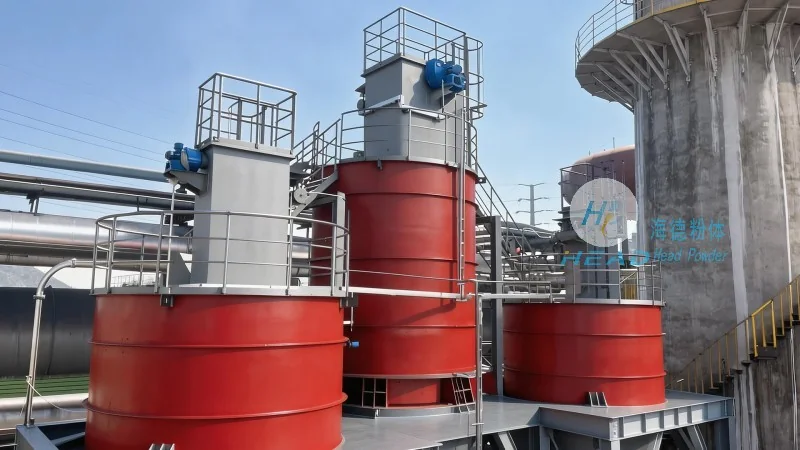
The operation process of graphite powder conveying can be broken down into several sequential steps. First, the graphite powder is stored in a silo or hopper, where it is kept under controlled conditions to prevent caking or agglomeration. Next, the feeder regulates the discharge rate, ensuring a steady supply of material to the conveyor. The conveyor then transports the powder to the processing area, where it may undergo further treatment, such as mixing, compaction, or coating. Finally, the processed powder is collected and stored or packaged for distribution. Each step is critical and requires precise control to maintain the quality and consistency of the final product.
Challenges and Solutions in Graphite Powder Conveying
Conveying graphite powders presents several challenges, including particle segregation, caking, and equipment wear. Particle segregation occurs when different particle sizes or densities separate during transport, leading to uneven material distribution. To mitigate this, manufacturers employ techniques such as using air classifiers or adjusting the conveying velocity. Caking, caused by moisture or agglomeration, can block pipelines and disrupt the process. Proper moisture control and the use of anti-caking agents are essential to prevent this issue. Additionally, the abrasive nature of graphite can cause wear on conveyor components, requiring the use of durable materials like stainless steel or special coatings.
Role of Shandong HeadPowder Engineering Co., Ltd. in Graphite Powder Conveying
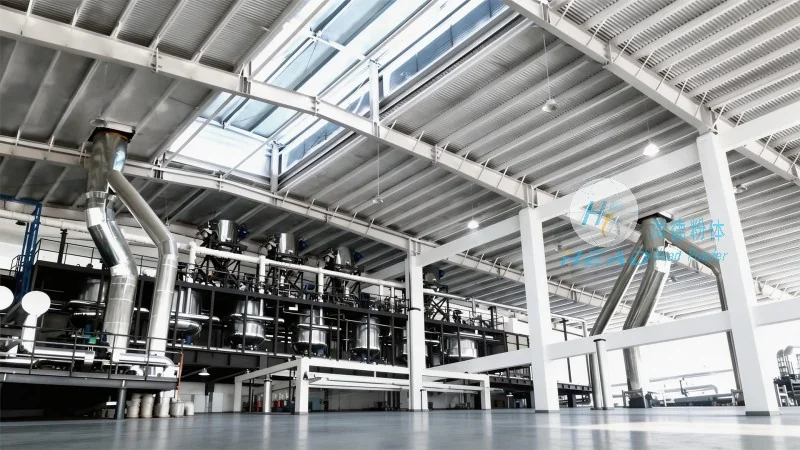
Shandong HeadPowder Engineering Co., Ltd., a leading provider of powder handling solutions, specializes in designing and manufacturing customized graphite powder conveying systems. With years of experience in the industry, headpowder understands the unique challenges associated with handling graphite powders and offers tailored solutions to meet specific customer needs. The company’s expertise lies in integrating advanced technology with practical engineering to deliver efficient, reliable, and cost-effective conveying systems. By leveraging their knowledge of material properties and process requirements, headpowder helps clients optimize their production processes and improve overall operational performance.
Conclusion
In conclusion, graphite powder conveying is a complex yet essential process that requires careful consideration of material properties, equipment design, and operational parameters. The working principles and operation processes outlined in this article highlight the importance of specialized systems and professional expertise in ensuring the efficient handling of graphite powders. As a trusted partner in the industry, Shandong HeadPowder Engineering Co., Ltd. continues to advance the technology and practices of graphite powder conveying, supporting clients in achieving their production goals while maintaining the highest standards of quality and safety.




