Barium sulfate powder conveying systems are critical components in industrial applications, particularly for handling fine powders like barium sulfate. Understanding the operation process and working principle of these systems is essential for optimizing material handling efficiency and ensuring consistent performance. This article provides a detailed overview of the key aspects involved in the operation of barium sulfate powder conveying systems, presented by Shandong HeadPowder Engineering Co., Ltd., a leading manufacturer based in China.
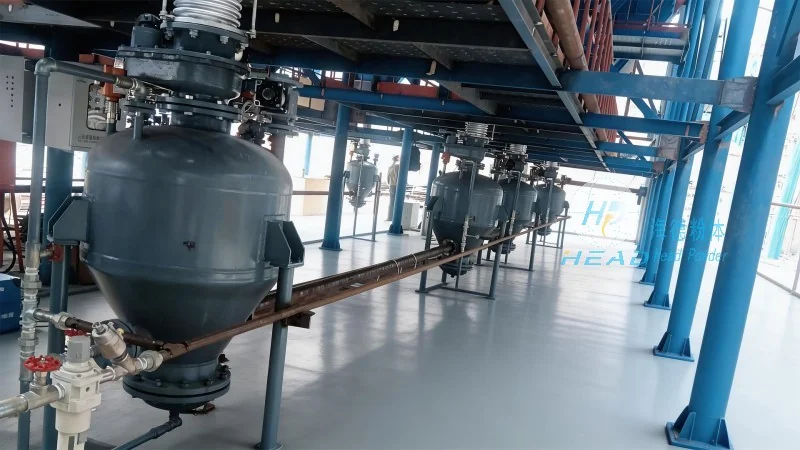
Company Overview: Shandong HeadPowder Engineering Co., Ltd.
Shandong HeadPowder Engineering Co., Ltd., commonly known as HeadPowder, is a professional manufacturer specializing in the design, development, and production of advanced powder conveying and processing equipment. With a strong focus on innovation and quality, HeadPowder serves a wide range of industries, including pharmaceuticals, chemicals, and mining. The company is headquartered in Shandong, China, and is committed to delivering reliable and efficient solutions for powder handling challenges. HeadPowder's expertise in barium sulfate powder conveying systems stems from years of research and practical application, ensuring that their products meet the highest standards of performance and durability.
Understanding Barium Sulfate Powder Conveying
Barium sulfate, also known as barium sulfate, is a white crystalline powder commonly used in various industrial applications, such as pigments, coatings, and medical imaging. Due to its fine particle size and low density, handling barium sulfate powder requires specialized equipment to prevent issues like dust accumulation, clogging, and material degradation. The conveying process involves the movement of powder from a storage silo or hopper to processing equipment, such as mixers or reactors. Efficient conveying is crucial for maintaining product quality and minimizing downtime in production lines.
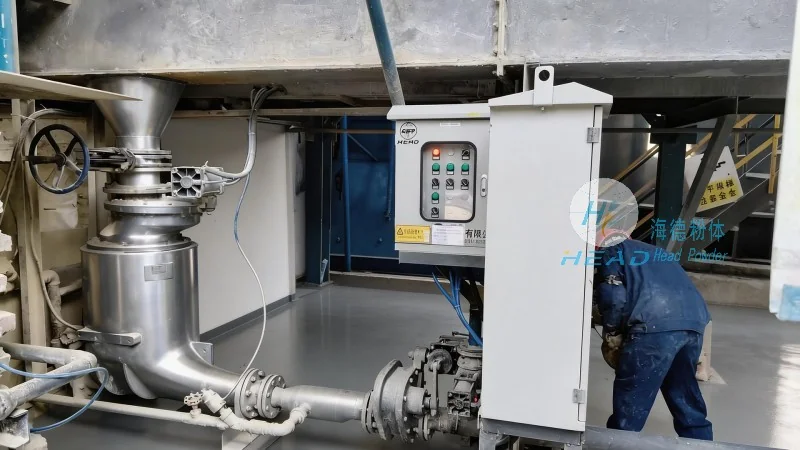
The Working Principle of Barium Sulfate Powder Conveying Systems
Barium sulfate powder conveying systems typically operate based on pneumatic or mechanical principles. Pneumatic conveying systems use compressed air to transport the powder through a pipeline, while mechanical systems rely on screw conveyors, belt conveyors, or bucket elevators. The choice of system depends on factors such as the powder's properties, the required conveying distance, and the desired level of control. In pneumatic systems, the powder is mixed with air in a hopper or feeder, and the mixture is then transported through the pipeline using positive or negative pressure. The positive pressure system forces air and powder through the pipeline, while the negative pressure system draws the mixture from the source and pulls it through the line. Mechanical systems, on the other hand, use rotating components to push the powder along the conveyor path, ensuring consistent and reliable movement.
Key Components of Barium Sulfate Powder Conveying Systems
Several key components are essential for the effective operation of barium sulfate powder conveying systems. These include the hopper or silo for material storage, the feeder or metering device to control the flow rate, the conveying pipeline or duct, and the receiving equipment such as a mixer or reactor. The hopper is designed to store the barium sulfate powder and provide a uniform feed to the feeder. The feeder, often a rotary valve or a screw feeder, regulates the flow of powder into the conveying system, ensuring a steady supply. The pipeline or duct is made of materials resistant to the powder's properties, such as stainless steel or plastic, to prevent corrosion and material buildup. The receiving equipment is where the powder is deposited, and it may include additional processing steps, such as mixing or blending with other ingredients.
Operation Process of Barium Sulfate Powder Conveying
The operation process of barium sulfate powder conveying systems involves several steps to ensure smooth and efficient material handling. First, the barium sulfate powder is stored in the hopper or silo. The feeder then controls the flow rate, feeding the powder into the conveying system. In pneumatic systems, the feeder may be equipped with a venturi or a pressure regulator to adjust the air-powder ratio. The powder is then transported through the pipeline, either by positive or negative pressure, depending on the system design. The receiving equipment is positioned to capture the powder and transfer it to the next stage of processing. Throughout the process, monitoring devices, such as pressure sensors and flow meters, are used to ensure that the system operates within the desired parameters. Regular maintenance, including cleaning and inspection of components, is also essential to prevent clogging and maintain performance.
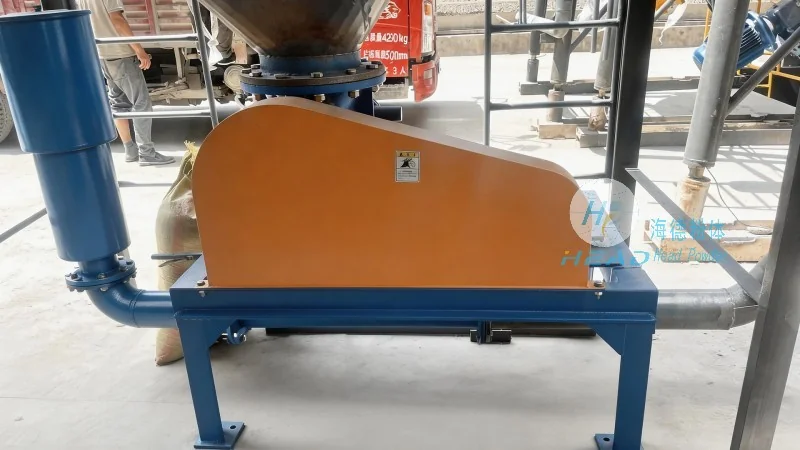
Benefits of Using Barium Sulfate Powder Conveying Systems
Implementing barium sulfate powder conveying systems offers several benefits for industrial operations. These systems enhance material handling efficiency by reducing manual labor and minimizing downtime. By automating the powder transfer process, companies can improve production throughput and consistency. Additionally, pneumatic conveying systems help to maintain the purity of the barium sulfate powder by preventing contamination from external sources. The use of advanced materials and design in these systems also contributes to longer equipment life and lower maintenance costs. Overall, barium sulfate powder conveying systems are a vital investment for industries that rely on fine powders, providing reliable and efficient solutions for their material handling needs.
Conclusion
In conclusion, the operation process and working principle of barium sulfate powder conveying systems are critical for optimizing industrial material handling. Shandong HeadPowder Engineering Co., Ltd. specializes in providing high-quality conveying solutions tailored to the specific needs of various industries. By understanding the key components and operation process, companies can enhance their production efficiency and ensure the quality of their products. The use of advanced technology and materials in these systems ensures reliable performance, making them an essential part of modern industrial operations.




