At Shandong HeadPowder Engineering Co., Ltd., we specialize in the design and manufacturing of advanced powder conveying systems tailored for the cement and aggregate industries. Our equipment, such as the cement aggregate powder conveyor, plays a critical role in efficiently transporting bulk materials like cement, sand, and gravel from storage to processing units. This article explores the operation process and working principle of these essential machines, highlighting their efficiency and reliability in industrial applications.
Key Components of the Powder Conveyor System
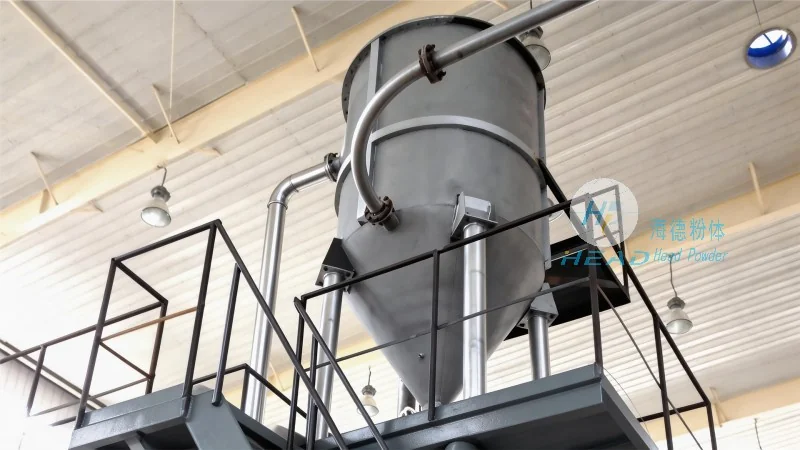
The cement aggregate powder conveyor system comprises several key components that work in tandem to ensure smooth material handling. The primary components include a hopper for material storage, a screw or belt conveyor mechanism for transport, a drive system to power the conveyor, and a control panel for operation. Each component is engineered to withstand the abrasive nature of cement and aggregate materials, ensuring long-term durability and minimal maintenance. The hopper is typically made of high-strength steel or corrosion-resistant materials to prevent wear and tear from fine powders. The conveyor mechanism, whether screw or belt, is designed with smooth surfaces to reduce friction and material degradation. The drive system, usually an electric motor with a variable frequency drive (VFD), allows for adjustable speed control, optimizing material flow. The control panel integrates sensors and indicators for monitoring system status, including material level, conveyor speed, and operational alerts.
Operation Process of the Powder Conveyor
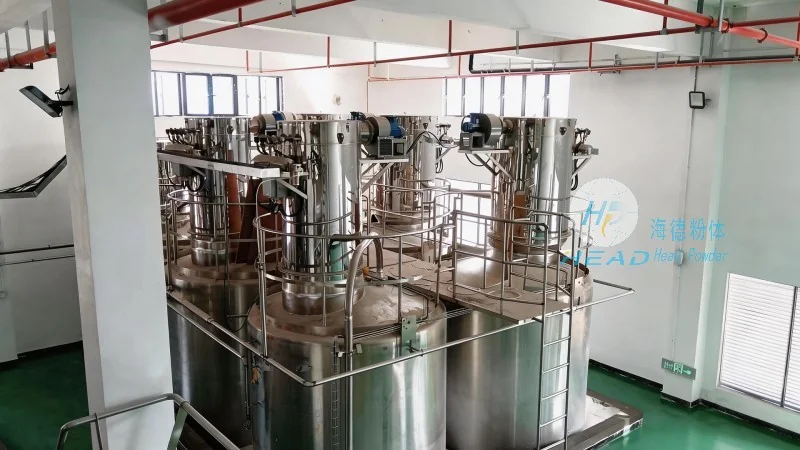
The operation process of the cement aggregate powder conveyor begins with the preparation of the material in the storage hopper. The hopper, typically made of stainless steel or reinforced plastic, is designed with a conical or rectangular shape to accommodate bulk materials like cement and aggregate. The inlet of the hopper is equipped with a feeder or a gate to control the flow rate of the material. Once the material is loaded into the hopper, the drive system is activated, which may involve an electric motor connected to a gearbox or a direct-drive system. The motor rotates the conveyor screw or drives the belt, initiating the material transport. The conveyor speed is adjustable via the control panel, allowing operators to match the throughput to the requirements of the downstream processing equipment. As the material moves through the conveyor, it is transported from the inlet to the outlet, where it is discharged into a silo, a mixer, or a batching system. The continuous operation of the conveyor ensures a steady supply of materials, minimizing downtime and enhancing production efficiency. Regular monitoring of the conveyor’s performance, including speed and material level, is essential to maintain optimal operation and detect any potential issues early.
Working Principle of the Conveyor Mechanism
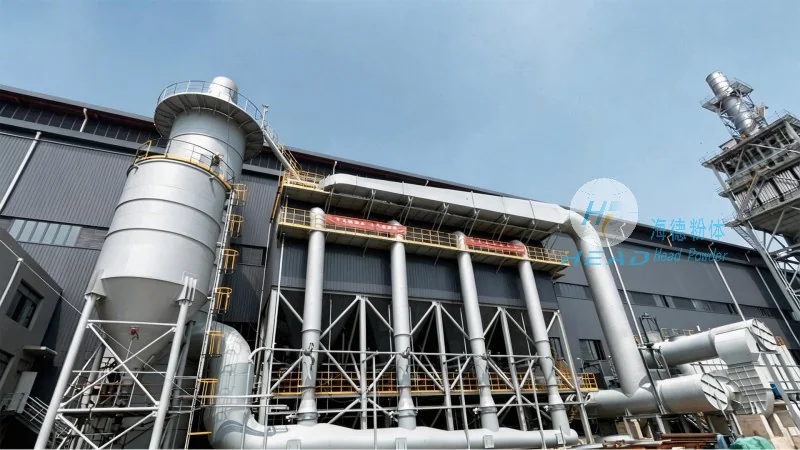
The working principle of the cement aggregate powder conveyor is based on mechanical energy conversion. The drive system, usually an electric motor, provides the necessary power to rotate the conveyor screw or move the belt. The screw conveyor, for instance, uses a helical screw to push the material forward through the conveyor tube. As the screw rotates, it creates a pressure gradient that moves the material from the inlet to the outlet. The belt conveyor, on the other hand, uses a motor-driven pulley system to move a belt that carries the material. Both mechanisms are designed to handle fine and coarse powders, ensuring that the material is transported without segregation or loss. The enclosed design of the conveyor prevents dust and debris from escaping, maintaining a clean and safe working environment. The material is transported under controlled conditions, reducing the risk of clogging and ensuring consistent flow rates. The working principle also allows for the integration of additional features, such as material weighing or sampling systems, to enhance process control.
Advantages of Using Cement Aggregate Powder Conveyors
Implementing cement aggregate powder conveyors offers several advantages for industrial operations. Firstly, these systems provide high efficiency in material transport, reducing the time and labor required for manual handling. Secondly, they minimize material loss and contamination, as the enclosed design prevents dust and debris from escaping. Thirdly, the adjustable speed and capacity of the conveyor allow for seamless integration with other processing equipment, optimizing the overall production line. Additionally, the robust construction of the equipment ensures long service life, even in harsh industrial environments. The use of advanced materials and engineering techniques, such as wear-resistant coatings and optimized screw geometry, further enhances the durability and performance of the conveyor. These advantages make cement aggregate powder conveyors a cost-effective solution for improving operational efficiency and reducing maintenance costs in the cement and aggregate industry.
Applications in the Cement and Aggregate Industry
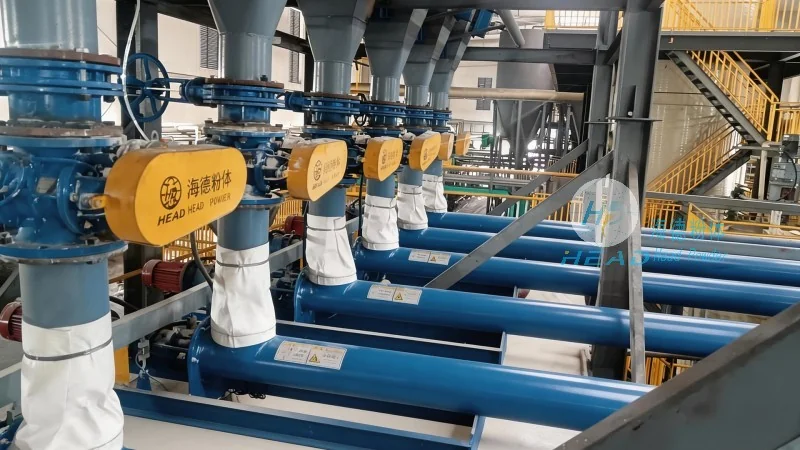
Cement aggregate powder conveyors are widely used in various applications within the cement and aggregate industry. In cement plants, they are used to transport raw materials like limestone and clay from storage silos to the grinding mills. The conveyors ensure a consistent supply of raw materials, which is critical for maintaining the production rate of cement. In aggregate processing facilities, they are used to move sand, gravel, and other aggregates from stockpiles to the mixing and batching areas. The conveyors are also used in concrete batching plants to transport cement and aggregates to the mixing drum, ensuring precise proportioning and quality control. The versatility of these conveyors makes them suitable for both new construction projects and retrofitting existing production lines, enhancing operational efficiency and reducing downtime. Whether in small-scale operations or large industrial plants, cement aggregate powder conveyors provide reliable and efficient material handling solutions that meet the demands of modern industrial production.




