For industrial applications requiring the safe and efficient handling of polyvinylidene fluoride (PVDF) powder, specialized conveying equipment is essential. The polyvinylidene fluoride powder conveying machine, manufactured by Shandong HeadPowder Engineering Co., Ltd., is designed to address the unique challenges associated with handling this high-performance polymer. This article provides an overview of the operational process and underlying principles that enable the effective and reliable transport of PVDF powder within industrial settings.
Key Components and Their Roles
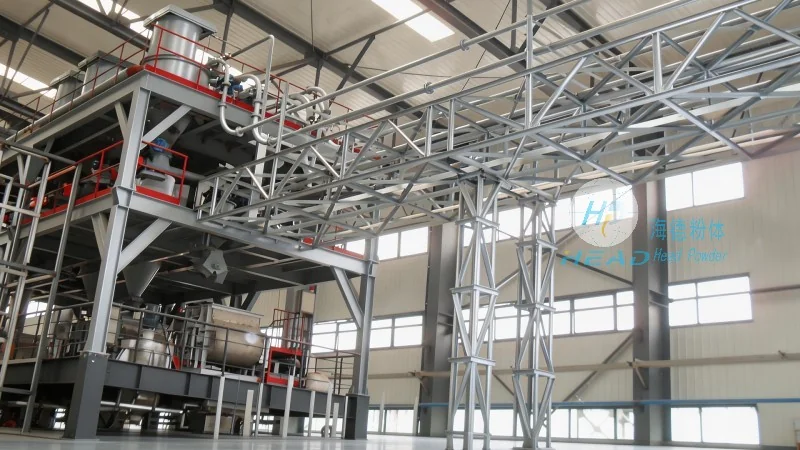
The PVDF powder conveying machine consists of several critical components, each playing a vital role in the overall system. The primary components include a hopper for material storage, a screw or auger mechanism for material transport, a motor to drive the conveying action, and a control system to regulate the process. The hopper is typically equipped with a discharge valve to control the flow of powder into the conveying system. The screw or auger, often made from corrosion-resistant materials such as stainless steel or specialized polymers, ensures that the PVDF powder is moved smoothly through the system without degradation or blockage. The motor provides the necessary torque to rotate the screw, while the control system allows for precise adjustment of speed and flow rate, optimizing the conveying process based on operational requirements.
Operation Process: Step-by-Step
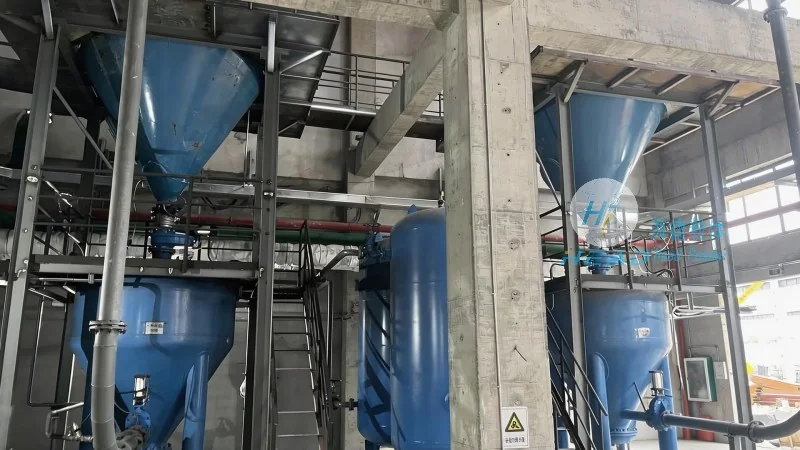
The operation of the PVDF powder conveying machine follows a systematic sequence to ensure consistent and efficient material transport. The process begins with the loading of PVDF powder into the hopper. The powder is then released into the screw or auger through the discharge valve, initiating the conveying action. As the screw rotates, it pushes the powder forward through the conveying tube or channel. The speed of the screw is controlled by the motor, which can be adjusted to match the required flow rate. The control system monitors the pressure and flow rate, providing feedback to maintain stable operation. The conveying process continues until the target amount of PVDF powder has been transported to the desired destination, such as a storage tank, processing unit, or packaging area. The system is designed to minimize downtime and maximize throughput, ensuring that the PVDF powder is handled safely and efficiently throughout the entire operation.
Working Principle: Mechanical and Material Considerations
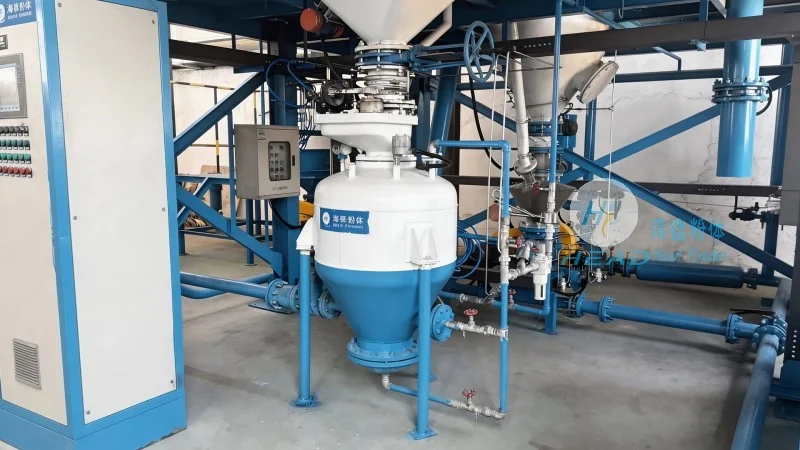
The working principle of the PVDF powder conveying machine is rooted in mechanical engineering principles and material science. The core mechanism is based on the screw or auger action, which relies on the friction between the screw surface and the PVDF powder to move the material forward. This method is particularly effective for handling fine powders like PVDF, as it prevents material degradation and ensures a consistent flow. The choice of materials for the conveying components is critical, as PVDF is a chemically resistant polymer that can withstand exposure to various chemicals and environmental conditions. The screw and hopper are typically constructed from materials that are compatible with PVDF, such as stainless steel or specialized polymers, to prevent contamination and ensure longevity. The control system integrates sensors and feedback mechanisms to monitor parameters such as pressure, temperature, and flow rate, allowing for real-time adjustments to maintain optimal performance. This combination of mechanical design and material compatibility ensures that the PVDF powder is conveyed with minimal risk of clogging, degradation, or contamination.
Benefits and Applications
The PVDF powder conveying machine offers several advantages for industrial applications, particularly in sectors where PVDF is used as a raw material. The system provides a reliable and efficient method for transporting PVDF powder, reducing the risk of material loss or contamination. The adjustable speed and flow control allow for precise dosing, which is crucial in processes such as polymer compounding, coating, and manufacturing. The corrosion-resistant design ensures that the equipment can withstand harsh environments and chemical exposure, extending its operational life. The compact and modular design of the conveying machine makes it suitable for integration into existing production lines or as a standalone unit. Industries that benefit from this technology include chemical manufacturing, pharmaceuticals, and specialty polymer production, where the handling of high-performance polymers like PVDF is essential for product quality and consistency.
Conclusion
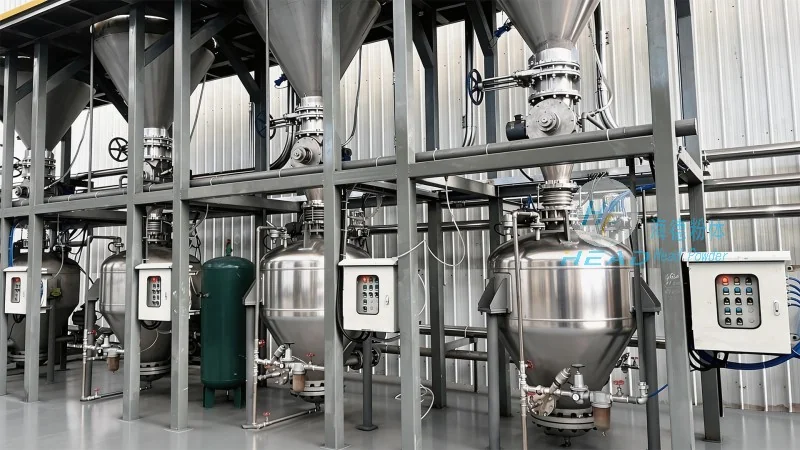
In summary, the polyvinylidene fluoride powder conveying machine from Shandong HeadPowder Engineering Co., Ltd. is a sophisticated piece of equipment designed to handle PVDF powder with precision and reliability. By understanding the operational process and working principles, users can optimize the system for their specific industrial needs, ensuring efficient material transport and minimal downtime. The combination of advanced mechanical design, material compatibility, and control systems makes this conveying machine an essential tool for industries relying on PVDF as a key component in their production processes.




