Operation Process and Working Principle of Quicklime Material Conveying
Release time:2026-09-20 22:01:39
name of the company:Shandong Headpowder Engineering Co., Ltd.
telephone:156-6277-7102
contacts:Zhang manager
Shandong HeadPowder Engineering Co., Ltd., commonly known as HeadPowder, is a professional manufacturer and supplier specializing in bulk material handling solutions. With a focus on industrial applications involving quicklime, the company has developed advanced systems to ensure efficient and reliable material conveying processes. HeadPowder's expertise lies in integrating robust equipment and innovative engineering to meet the diverse needs of clients in various industries.
Operation Process of Quicklime Material Conveying
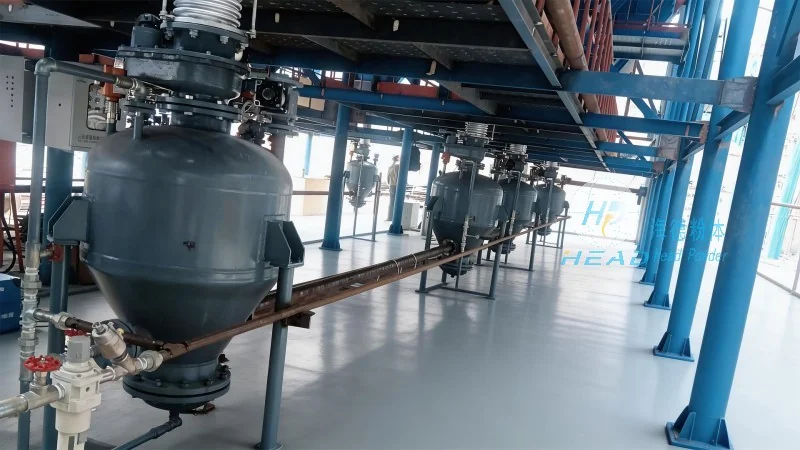
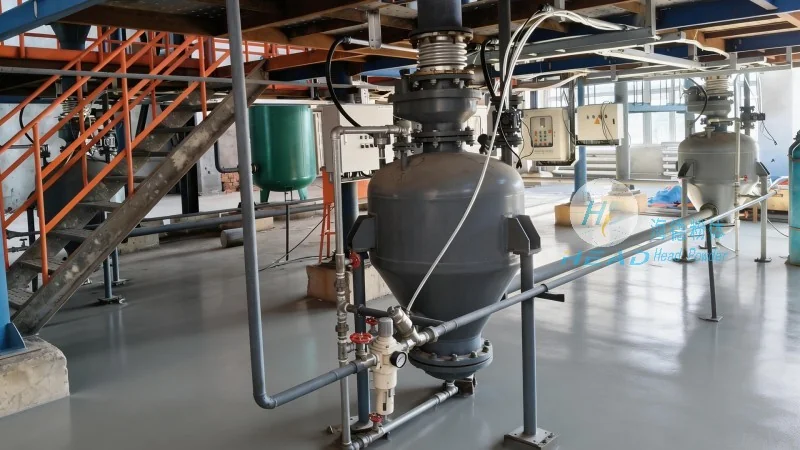
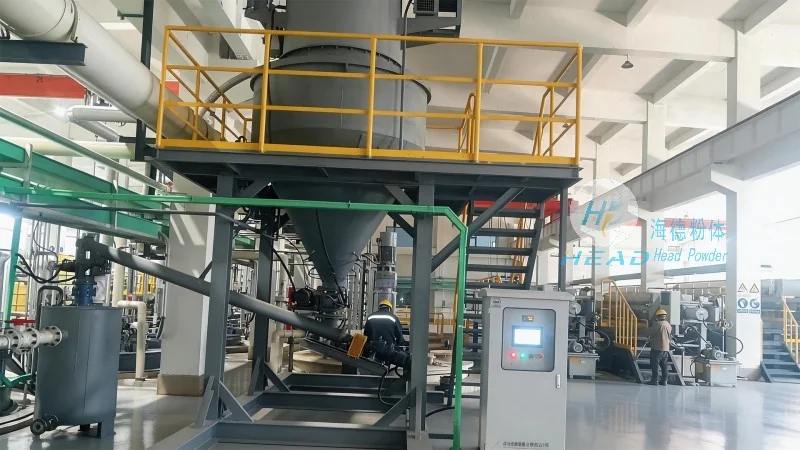
The operation process of quicklime material conveying involves several key stages designed to ensure smooth and continuous material transfer from the source to the destination. The process typically begins with the storage of quicklime in bulk storage silos or hoppers. From there, the material is fed into the conveying system through a hopper or feeder mechanism. The feeder regulates the flow rate, ensuring a consistent and controlled supply of quicklime to the conveyor. The conveyor system, which may include belt conveyors, screw conveyors, or pneumatic conveyors depending on the specific requirements, transports the quicklime through the system. At intermediate points, the material may pass through surge hoppers or transfer points to adjust the flow or change direction. Finally, the quicklime is discharged at the receiving point, such as a processing plant or storage facility. Throughout the process, sensors and control systems monitor the flow rate, pressure, and other parameters to maintain optimal operation and prevent blockages or overloading. The system also incorporates safety features, such as dust collection systems and explosion-proof designs, to address the hazards associated with quicklime dust and potential reactions.
Working Principle of Quicklime Material Conveying Systems
The working principle of quicklime material conveying systems is based on the mechanical or pneumatic movement of the material from the source to the destination. For mechanical conveyors like belt conveyors, the system relies on a motor-driven pulley or drive system that moves a belt, which carries the quicklime along a predetermined path. The belt is supported by rollers or idlers, and the material is placed on the belt at the feeding end, where it is carried to the discharge end by the moving belt. The speed of the belt and the angle of inclination can be adjusted to control the flow rate and prevent material spillage. Screw conveyors, on the other hand, use a rotating screw or auger to push the quicklime forward through a closed tube. The screw's rotation creates a pushing force that moves the material along the conveyor. The design of the screw, including its pitch and diameter, is critical to ensure efficient material movement without excessive friction or wear. Pneumatic conveyors utilize air pressure to transport the quicklime in a closed pipeline. The system includes a blower or compressor that generates air flow, which carries the quicklime particles through the pipeline to the discharge point. The air velocity and pipeline diameter are optimized to maintain the material in suspension and prevent settling or blockages. The choice of conveyor type depends on factors such as the material's properties, the distance to be covered, and the required flow rate. Each system is designed to handle the unique characteristics of quicklime, such as its high reactivity and potential for dust generation, ensuring safe and efficient operation. Additionally, the systems are equipped with filtration and dust suppression mechanisms to minimize environmental impact and comply with safety regulations.




