Micro silica powder, a fine particulate material widely used in construction, refractory, and other industrial applications, requires efficient and reliable material handling solutions to ensure smooth production processes. This article delves into the operation process and working principle of micro silica powder material handling systems, highlighting key components and operational mechanisms that enable effective transport and management of this critical material.
About Shandong HeadPowder Engineering Co., Ltd.
Shandong HeadPowder Engineering Co., Ltd., operating under the brand name headpowder, is a leading provider of specialized engineering solutions for material handling and processing. With a strong presence in China, particularly in Shandong province, the company has established itself as a trusted partner for industries relying on micro silica powder and similar fine materials. Headpowder specializes in designing, manufacturing, and implementing advanced material handling systems tailored to meet the unique demands of various industrial applications.
Operation Process of Micro Silica Powder Material Handling
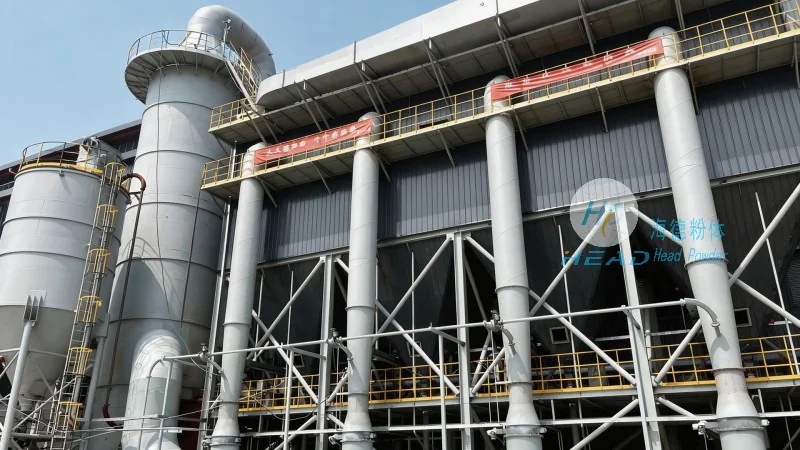
The operation process of micro silica powder material handling typically involves several key stages, each designed to ensure efficient and safe transport of the material. The first stage is material storage, where micro silica powder is stored in bulk silos or hoppers, often equipped with aeration systems to prevent caking and maintain material flowability. This initial step is crucial for maintaining consistent material quality and preventing issues such as blockages or degradation.
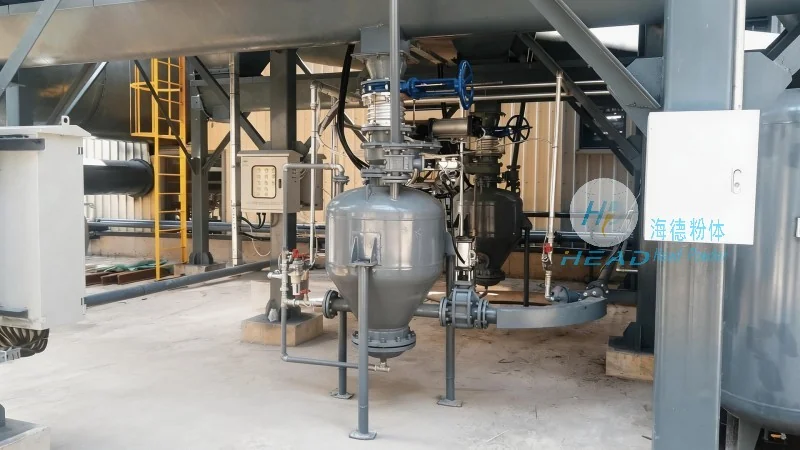
Following storage, the material is transferred to a conveying system, which may include pneumatic conveying lines, screw conveyors, or bucket elevators, depending on the specific requirements of the application. Pneumatic conveying systems, for example, use compressed air to transport the fine powder through pipelines, offering advantages such as low maintenance and the ability to handle materials over long distances. Screw conveyors, on the other hand, utilize rotating screws to move the material through a closed tube, providing a reliable solution for horizontal or slight incline transport.
In the conveying stage, proper control of air pressure, flow rate, and material feed rate is essential to prevent material degradation, clogging, or excessive energy consumption. Advanced control systems, often integrated with sensors and automation technologies, help optimize these parameters in real-time, ensuring efficient operation and minimizing downtime.
Working Principle of Micro Silica Powder Material Handling Systems
The working principle of micro silica powder material handling systems revolves around the physics of particle movement and the mechanics of conveying equipment. For pneumatic conveying, the fundamental principle is the creation of a pressure differential between the material source and the destination, using compressed air to entrain the fine particles and transport them through the pipeline. The air velocity must be sufficient to overcome the gravitational and frictional forces acting on the particles, ensuring stable flow and preventing particle separation or deposition.
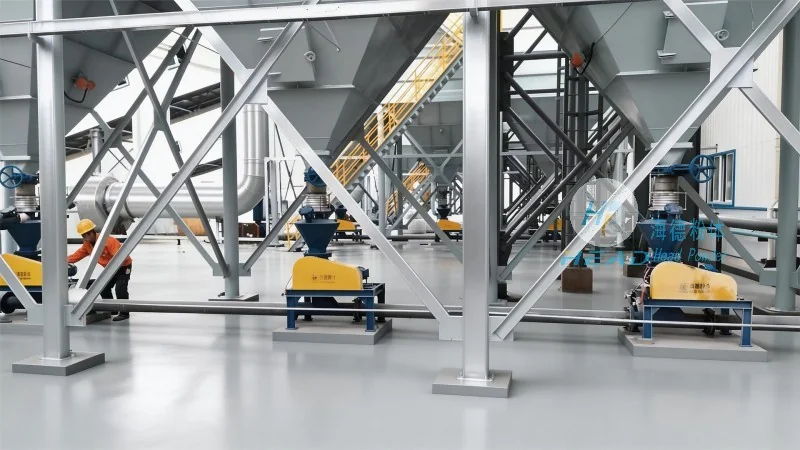
Screw conveyors operate based on the principle of mechanical displacement, where rotating screws push the material forward along the conveyor tube. The pitch and diameter of the screw, as well as the speed of rotation, are critical factors that determine the conveying capacity and efficiency. Proper design of the screw conveyor, including the inclusion of flights or a solid shaft, ensures that the material is moved without excessive friction or degradation.
Other components, such as feeders and discharge devices, play a vital role in the overall system. Feeders, such as rotary valves or vibratory feeders, regulate the flow of material from the storage silo to the conveying system, ensuring a consistent feed rate. Discharge devices, including rotary valves or gate valves, control the release of material from the conveyor to the processing equipment, preventing backflow and maintaining system integrity.
Key Considerations for Micro Silica Powder Material Handling
When implementing micro silica powder material handling systems, several key considerations must be addressed to ensure optimal performance and longevity. First, the material's properties, such as particle size distribution, moisture content, and flowability, must be carefully evaluated to select the appropriate conveying equipment and system design. For example, fine particles with high moisture content may require additional drying or conditioning steps to prevent caking and ensure smooth transport.
Second, system integration and automation are critical for improving efficiency and reducing operational costs. Modern material handling systems often incorporate sensors to monitor parameters like pressure, flow rate, and material level, providing real-time data for process optimization. Automation technologies, such as PLC (Programmable Logic Controller) systems, enable precise control of the conveying process, minimizing human intervention and reducing the risk of errors.
Third, maintenance and maintenance planning are essential for ensuring the reliability of the system. Regular inspection and maintenance of components, including conveyor belts, screws, and pneumatic lines, help prevent breakdowns and extend the lifespan of the equipment. Proper cleaning and lubrication of moving parts are also crucial to maintain system efficiency and prevent wear and tear.
Conclusion
Micro silica powder material handling systems are critical components of industrial operations, enabling the efficient and safe transport of this valuable material. By understanding the operation process and working principle of these systems, as well as considering key factors such as material properties, system integration, and maintenance, industries can optimize their material handling processes and improve overall productivity. Shandong HeadPowder Engineering Co., Ltd. provides specialized engineering solutions tailored to meet the unique needs of micro silica powder material handling, offering reliable and efficient systems that enhance operational performance and reduce costs.




