Graphite material handling systems are essential in various industrial applications, particularly in industries that deal with graphite-based materials. These systems are designed to efficiently transport, store, and manage graphite materials from raw form to finished products. The operation of such systems involves a series of steps and mechanisms that ensure optimal performance and safety. This article will explore the detailed operation process and working principles of graphite material handling systems, highlighting the key components and their functions.
Key Components of Graphite Material Handling Systems
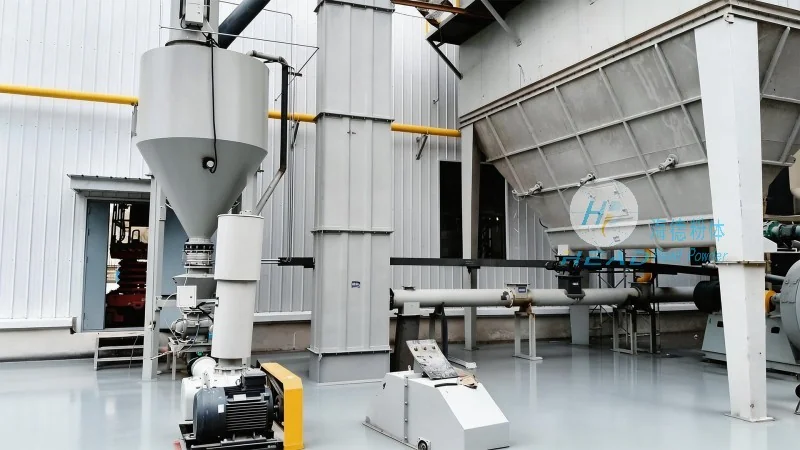
Graphite material handling systems typically consist of several critical components that work in tandem to achieve efficient material transport. The primary components include conveyor belts, hoists, elevators, and storage silos. Each component plays a specific role in the overall system. For instance, conveyor belts are used for horizontal or slight incline transport, while hoists and elevators facilitate vertical movement. Storage silos are used to store graphite materials in bulk, ensuring a steady supply for downstream processes. The integration of these components is crucial for the smooth operation of the system.
Operation Process of Graphite Material Handling Systems
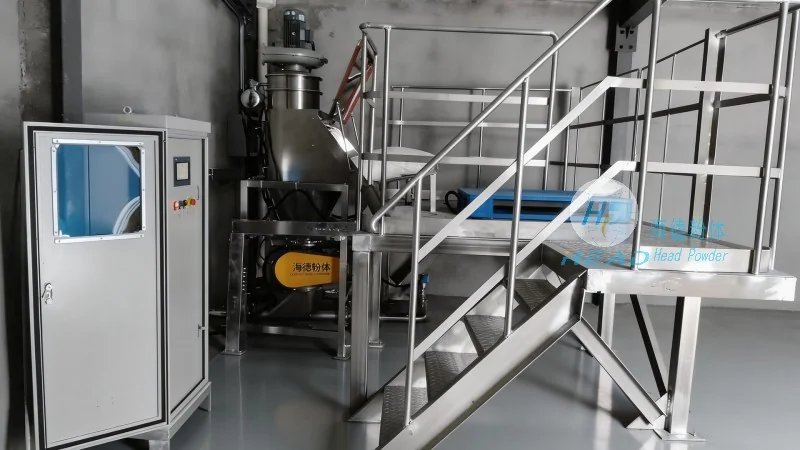
The operation process of a graphite material handling system begins with the intake of raw graphite materials. The materials are first fed into a hopper or a storage silo, where they are stored until needed. From the silo, the materials are transferred to the conveyor system through a series of mechanisms such as feeders or rotary valves. The conveyor belts then transport the graphite materials to the processing units or storage areas. During this process, the system may include intermediate storage points or sorting mechanisms to handle different types of graphite materials. The final stage involves the delivery of processed graphite materials to the end-users or further processing stages. Throughout the operation, the system is monitored for efficiency and safety, with regular maintenance and checks to ensure optimal performance.
Working Principles of Graphite Material Handling Systems
The working principles of graphite material handling systems are based on mechanical and hydraulic systems that enable the movement and control of graphite materials. The conveyor belts operate on the principle of friction, where the material is moved along the belt surface by rollers or pulleys. Hoists and elevators use mechanical linkages or hydraulic systems to lift and move materials vertically. The storage silos utilize pressure or vacuum systems to control the flow of materials into the conveyor system. The entire system is controlled by a central control unit that monitors the flow of materials, adjusts the speed of conveyors, and ensures safety protocols are followed. The working principles are designed to minimize material loss, reduce energy consumption, and enhance the overall efficiency of the system.
Role of Shandong HeadPowder Engineering Co., Ltd. in Graphite Material Handling Systems
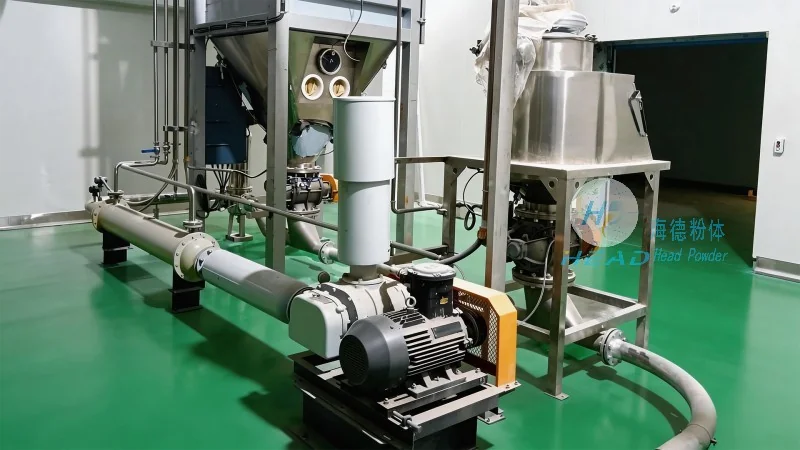
Shandong HeadPowder Engineering Co., Ltd., commonly known as HeadPowder, is a leading manufacturer and supplier of graphite material handling systems. The company specializes in designing and manufacturing customized systems that meet the specific needs of various industries, including graphite production, battery manufacturing, and industrial applications. HeadPowder's expertise lies in the integration of advanced technologies and materials to ensure the durability and efficiency of their systems. The company's products are known for their high-quality construction, reliable performance, and adherence to safety standards. With a strong focus on customer satisfaction and technical support, HeadPowder has established itself as a trusted partner in the graphite material handling industry. The company's headquarters is located in Shandong, China, where it has a team of experienced engineers and technicians dedicated to research and development. HeadPowder's commitment to innovation and quality has made its systems a preferred choice for many industrial clients.




